If you want a road trip that moves quickly but still feels glamorous, the stretch from the Italian Riviera into the French Côte d’Azur is genuinely hard to beat.
In just four days, we moved between Ligurian lanes, seafront promenades, grand harbour views and elegant old towns — with plenty of focaccia, fresh pasta, local rosé and gelato in between. This route isn’t about ticking off blockbuster attractions. It’s about enjoying the rhythm of one beautiful coastal stop after another, and eating your way through each one.
The Route at a Glance
Genoa → Sanremo → Monaco → Nice → Cannes
This works best as a scenic sampler rather than a deep dive into any single destination. Genoa gives you history and serious food credentials. Sanremo softens the pace with classic Riviera elegance. Monaco delivers a dramatic, borderline surreal dose of wealth and spectacle. Nice balances city energy and seaside ease beautifully. And Cannes rounds things off with that polished Côte d’Azur finish.
Getting Around
We drove the whole route, which gives you the most flexibility — especially for stops like Sanremo, which doesn’t reward a tight schedule. The coastal roads are scenic but can be slow, so allow more time than you think you need between stops. If you’d rather skip the car, the route is also very doable by train: the rail line hugs the coast the whole way and the connections between these cities are straightforward. Worth noting if you’re planning to base yourself in Nice and do Monaco and Cannes as day trips — it’s a popular approach for good reason.
One practical note if you’re driving into Monaco: parking is notoriously limited and expensive. We’d suggest parking just outside the principality in the Beausoleil area and walking in, or using the Fontvieille car park if you want to stay within Monaco itself.
Stop 1: Genoa
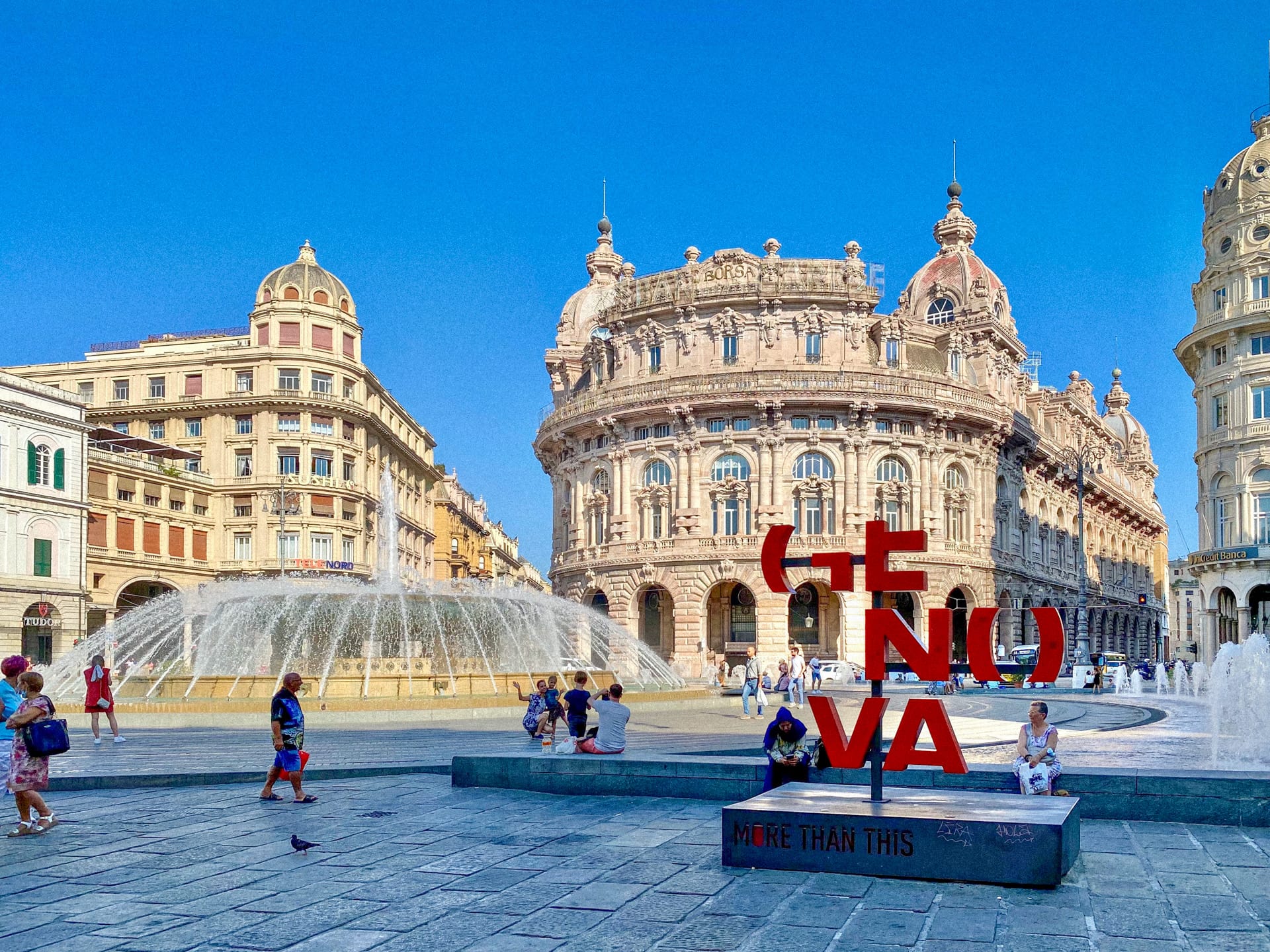
Genoa is an excellent starting point because it feels substantial rather than decorative. It’s a historic port city with real grit, grand architecture, and one of the most distinctive food identities on this entire route. Give yourself time to wander rather than only jumping between named sights — the city rewards a slower pace.
What to Eat in Genoa
Start with the essentials: focaccia, pesto and gelato. Pesto Genovese isn’t just a menu item here — it’s part of the city’s identity. We’ve eaten pesto across Italy and across a fair few jars at home, but there’s something about eating it in the place it belongs, made with local basil, that genuinely changes the experience. Don’t skip it.
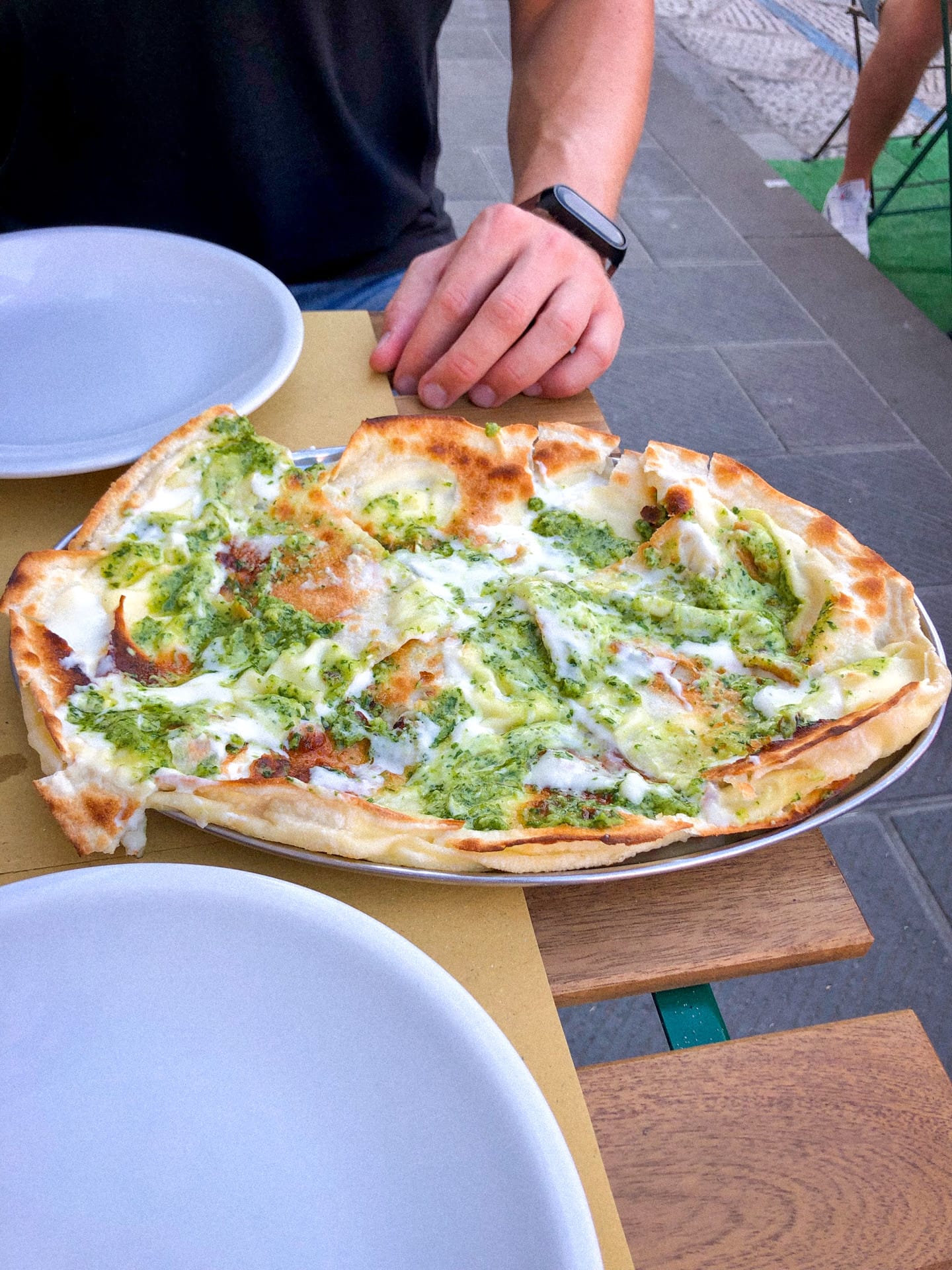
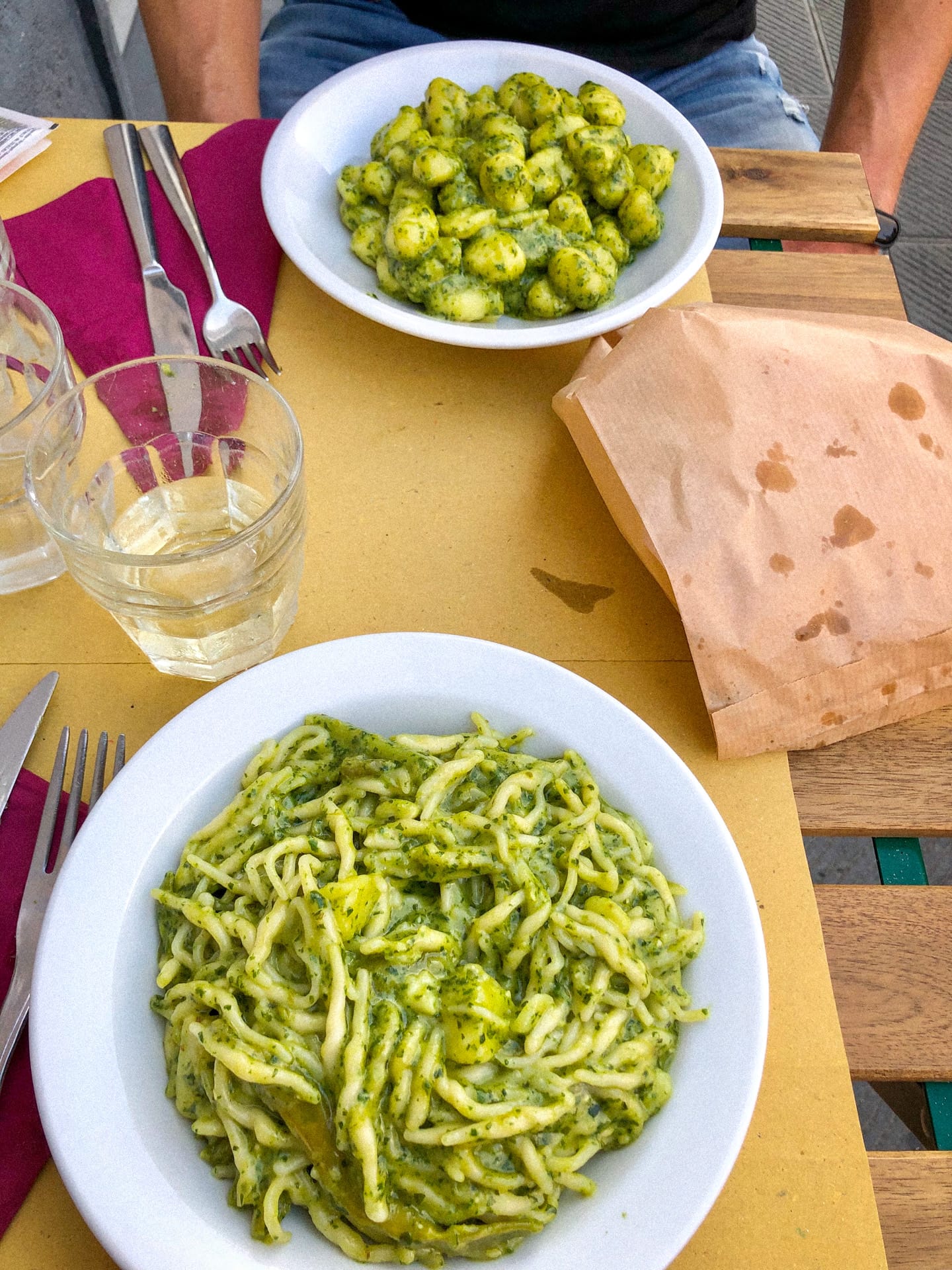
For lunch near Porto Antico, we’d point you towards Cavour Modo 21 — especially if pesto is high on your priority list. We were back in Genoa this year and managed to get a table there again, which tells you everything about how we feel about it. That said, Porto Antico and the old city are full of good options for fresh pasta, seafood and local wine. This is one of those cities where it genuinely pays to follow your appetite rather than a strict list.
Looking for things to do in Italian Riviera?
What to See in Genoa
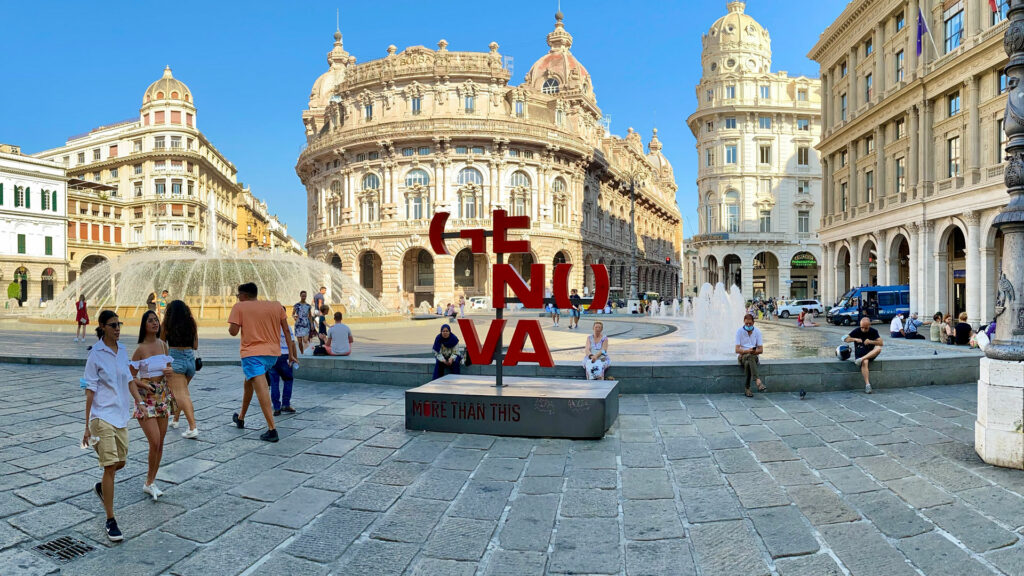
Walk Via Garibaldi for its UNESCO-listed Palazzi dei Rolli — a stretch of Renaissance and Baroque palaces that give you a real sense of how powerful Genoa once was as a trading republic. From there, head to Piazza De Ferrari for the city’s main square, and make time for the Cathedral of San Lorenzo, with its distinctive black-and-white striped façade.
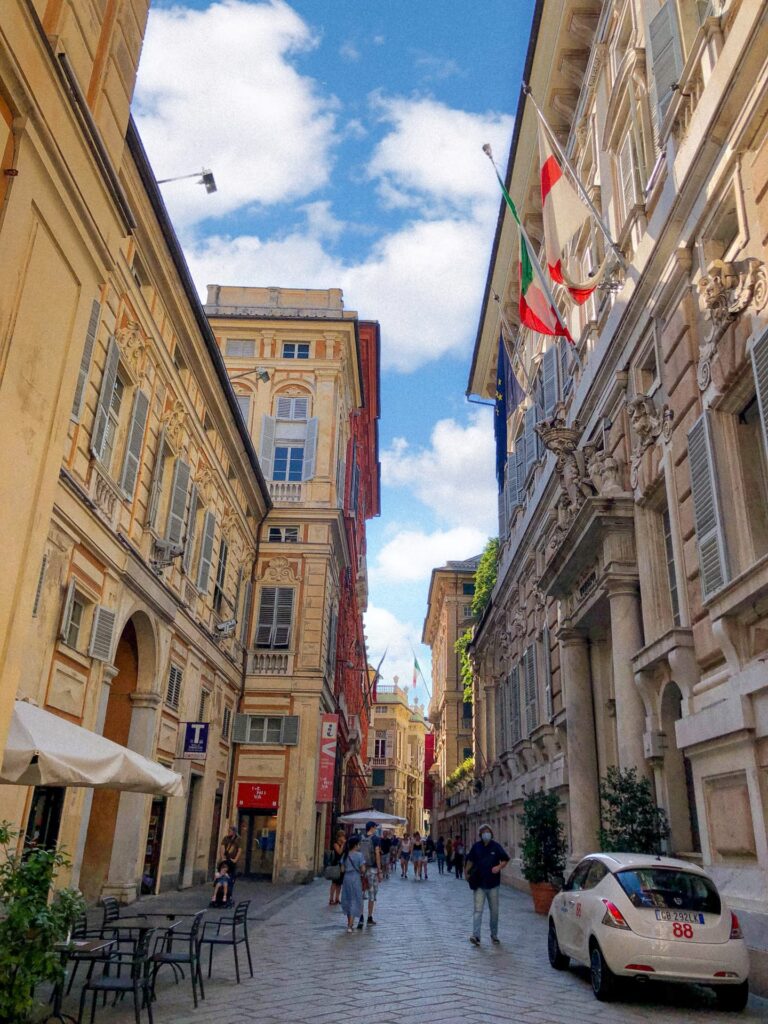
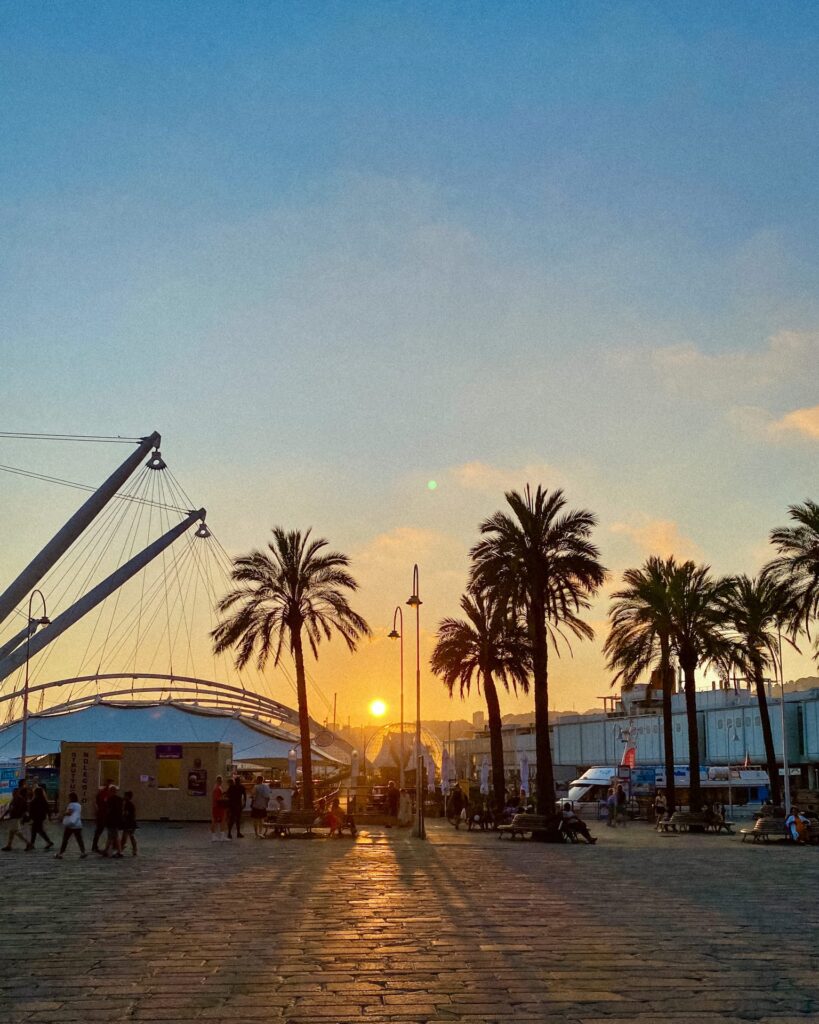
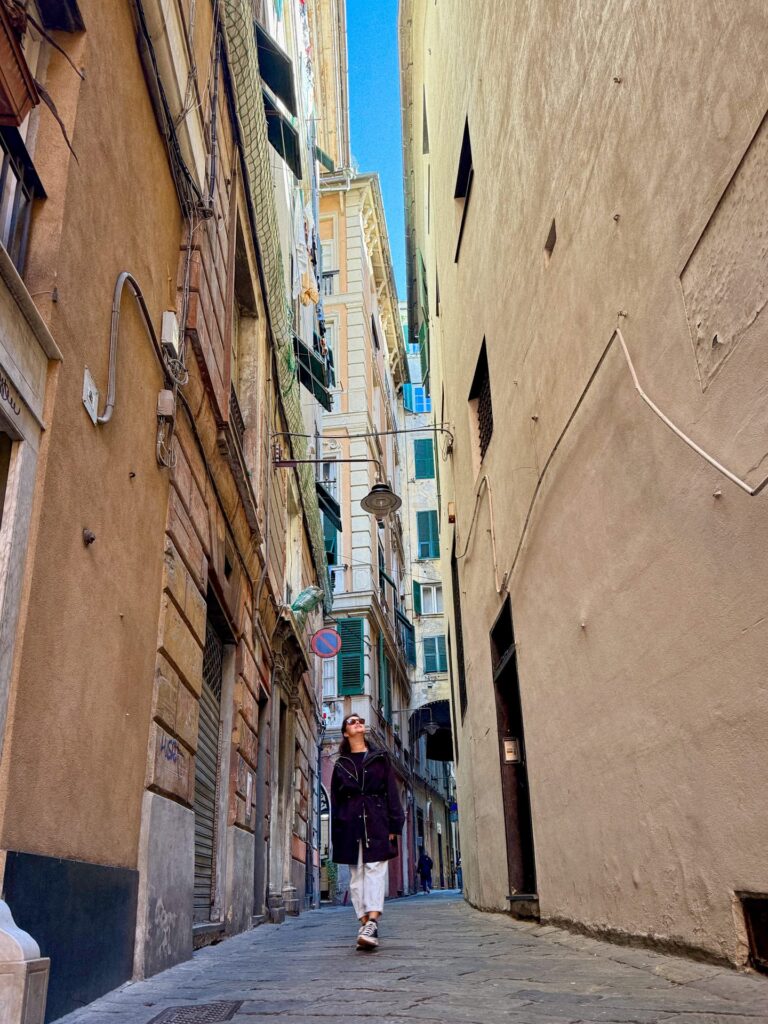
If you want to understand Genoa beyond the postcard version, keep walking into the caruggi — the city’s tight network of old lanes that twist and narrow in unexpected directions. The atmosphere shifts quickly from grand to intimate, and this is where the city really shows its character. For families or anyone who wants a big-ticket experience, the Aquarium of Genoa is still one of the city’s most popular draws and genuinely impressive in scale.
For a deeper dive into Genoa, check out our dedicated post about 10 things you can not miss.
10 Best Things to Do in Genoa for a First Visit
Stop 2: Sanremo
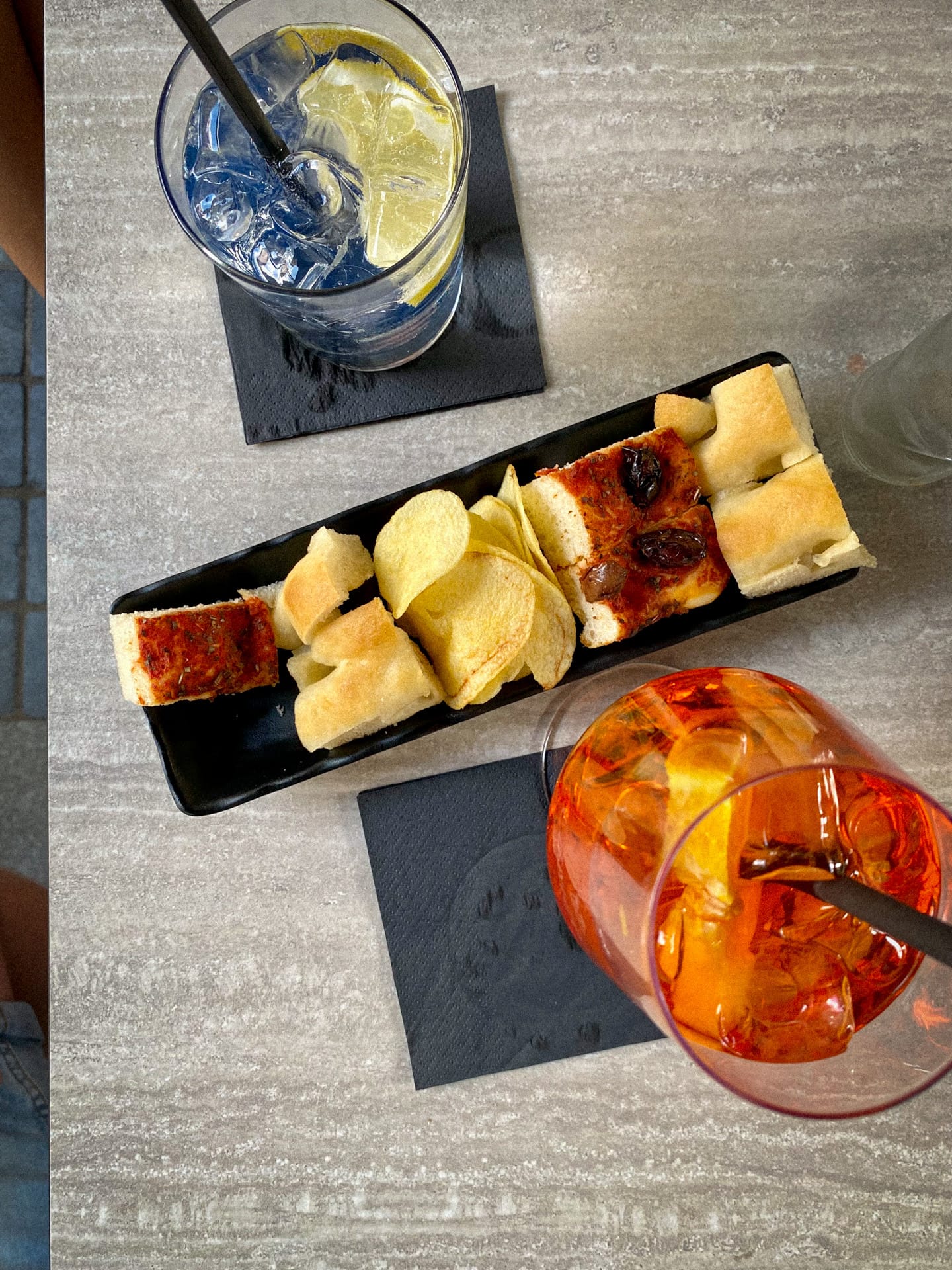
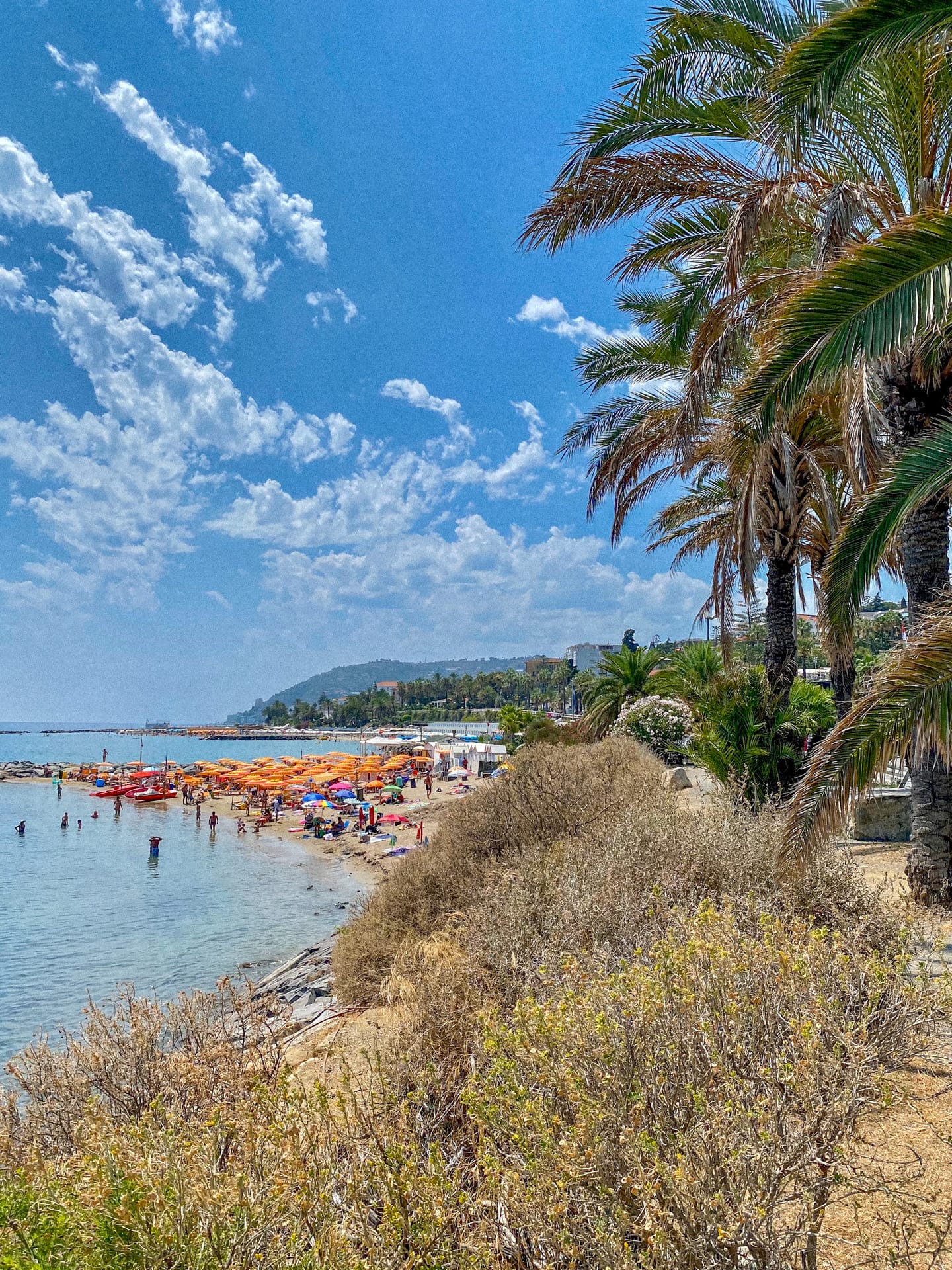
Sanremo is best treated as a deliberate gear-change rather than a headline stop. We’ll be honest with you — it’s not a city that demands a long list or a full afternoon of structured sightseeing. What it does well is atmosphere: palm-lined seafront promenades, a relaxed café culture, and an easy, unhurried Riviera feel that makes it a genuinely pleasant place to slow down between Genoa and Monaco.
It’s internationally known for the Sanremo Music Festival — Italy’s most beloved song competition and the event that selects the country’s Eurovision entry each year — but even outside festival season, it earns its place on the route simply by being handsome and unpretentious. We used it as a long lunch stop, a walk along the seafront, and an aperitivo before getting back on the road. Sometimes that’s exactly what a road trip needs.
Stop 3: Monaco
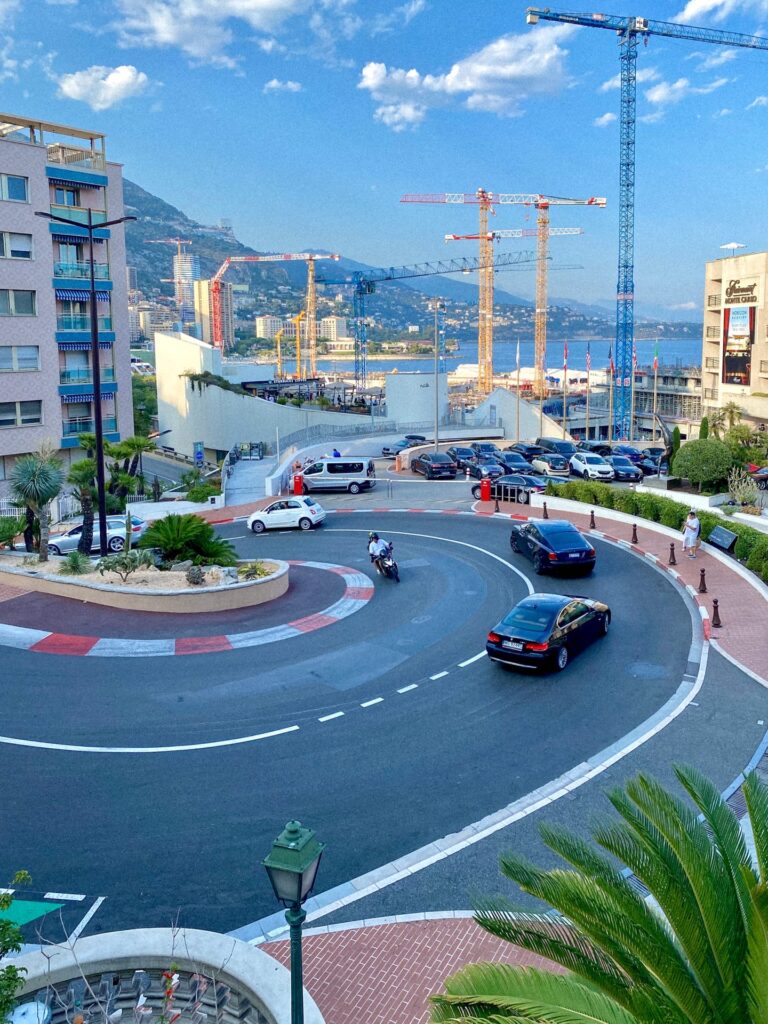
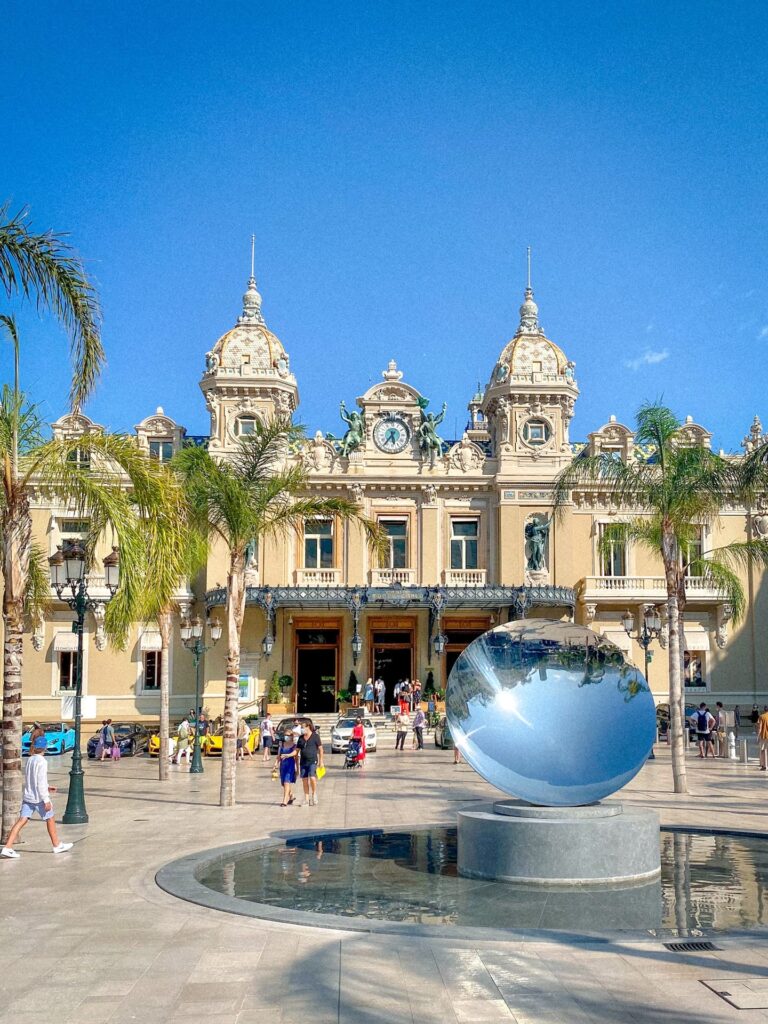
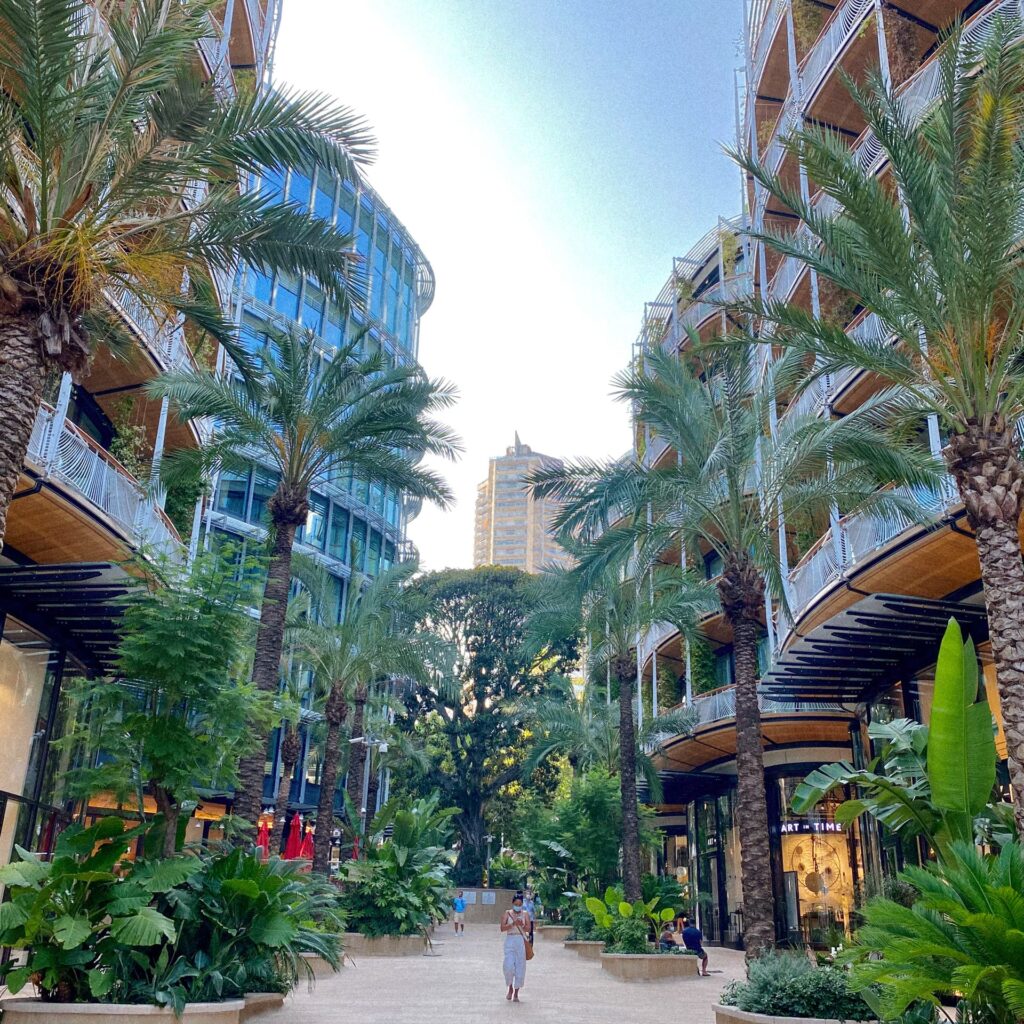
Crossing into Monaco always feels a bit dramatic, and that feeling doesn’t really wear off. The principality is tiny — roughly two square kilometres in total — but it’s stacked vertically into the hillside in a way that makes it feel far denser and more theatrical than the size suggests. The roads winding up through it are the same ones used for the Monaco Grand Prix, which runs on public streets every year. If you follow Formula 1, driving through those corners — even slowly, in a hire car, stuck behind a delivery van — is still a memorable experience.
Monte Carlo is the district most people picture: the Casino de Monte-Carlo, the luxury hotels, the high-end boutiques. Walk the marina, look up at the hillsides packed with apartments, and let Monaco be Monaco. It’s expensive, immaculate and slightly surreal, and that’s rather the point.
Even on a normal travel budget, it’s absolutely worth a visit. You don’t need to walk into the casino or eat at a three-Michelin-star restaurant to get something out of it. The pleasure here is partly observational — there’s nowhere quite like it, and an afternoon wandering the port and the hillside streets is a genuinely interesting experience.
Stop 4: Nice
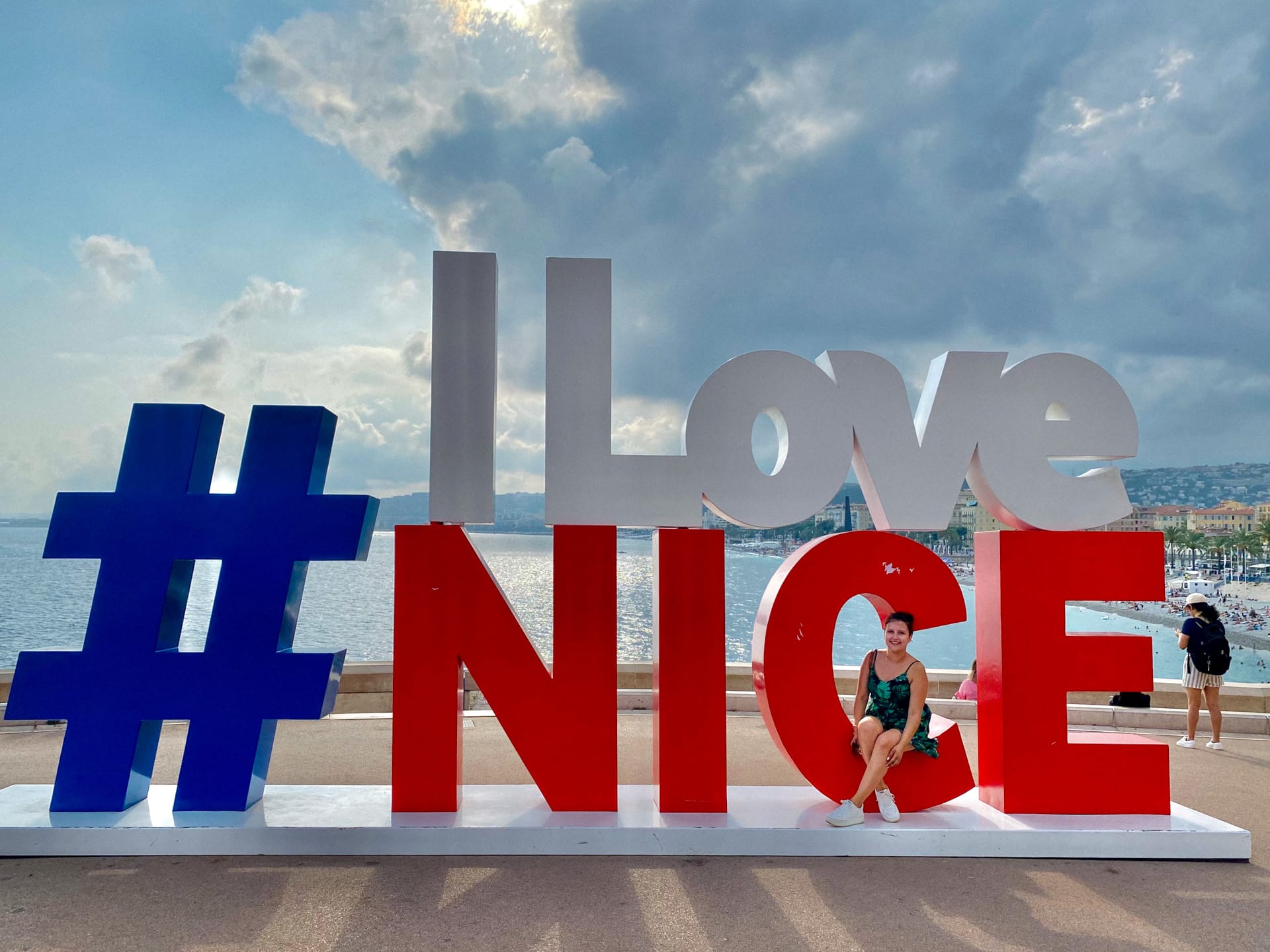
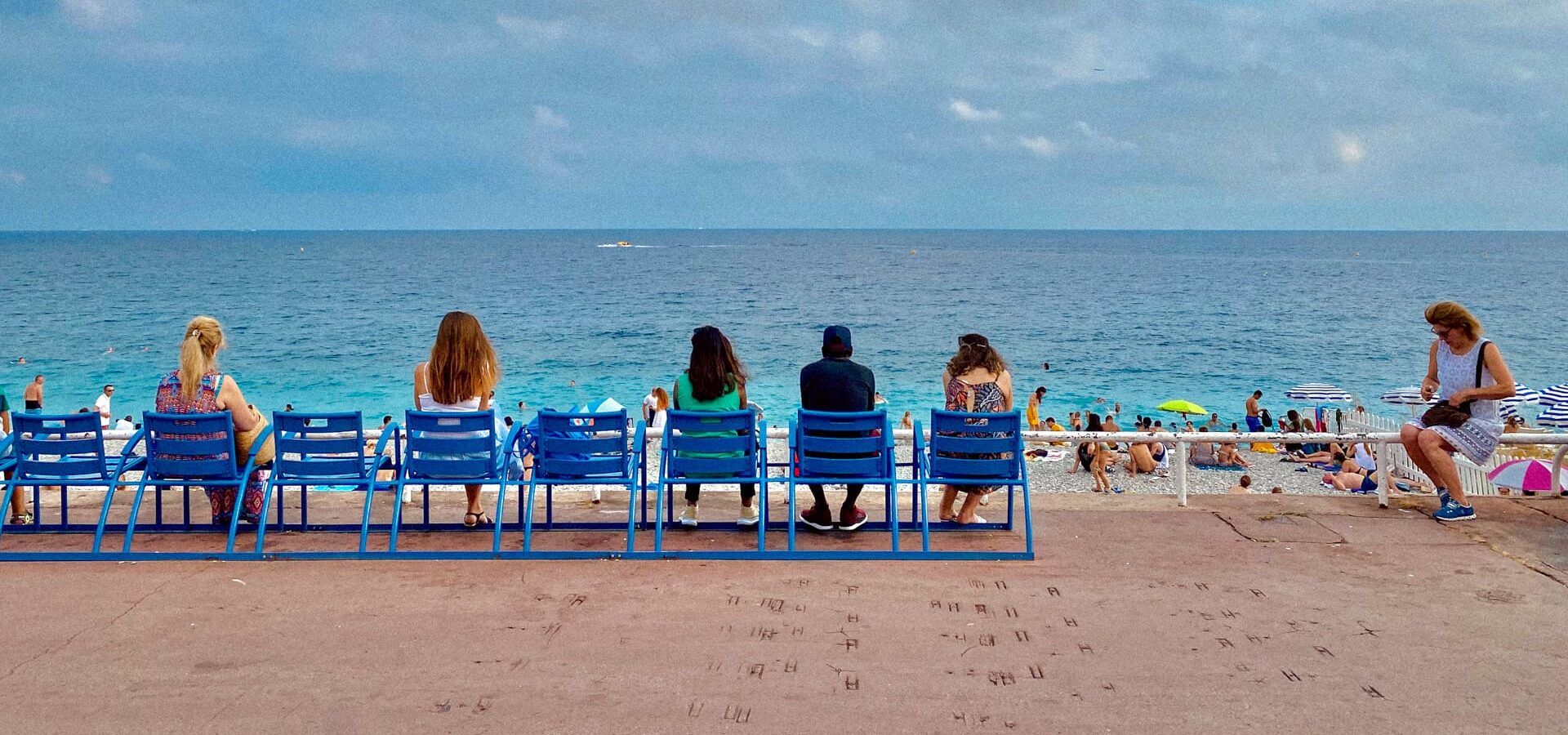
Nice is where this route starts to feel especially seductive. It has colour, energy and seaside ease in exactly the proportions people imagine when they picture the South of France. We spent a full day here and it still felt like we were leaving something behind.
The View from Castle Hill
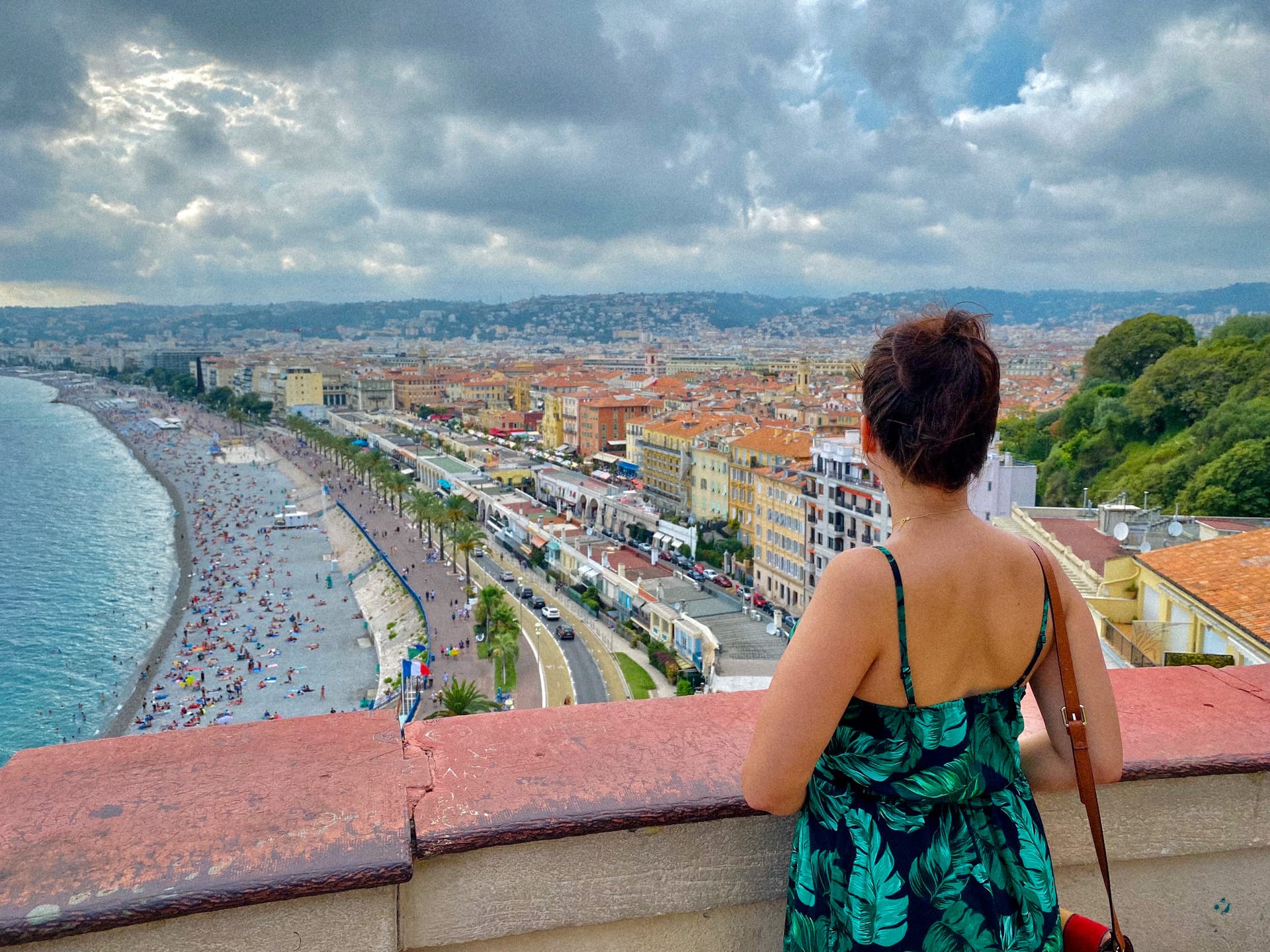
Head up to Colline du Château — Castle Hill — for one of the best views on the entire route. A quick note on the name: there’s no longer a castle here. The château was demolished in the early 18th century and the hill is now a beautifully kept park, but the panorama over the terracotta rooftops, the sweep of the Baie des Anges and the old port below it is genuinely spectacular. You can walk up from the old town, but if you’d rather save your legs, there’s a free lift (elevator) from the Quai des États-Unis end of the beach — well worth knowing about, especially in the heat of summer.
Looking for things to do in French Riviera?
Lunch and Sweet Stops in Nice
For a classic central lunch, Brasserie Félix Faure is a reliable starting point. The area around Vieux Nice — the old town — also gives you plenty of alternatives, and we’d genuinely encourage you to stay flexible and choose the terrace that catches your eye on the day. The old town is compact and easy to explore, and the streets are full of good options.
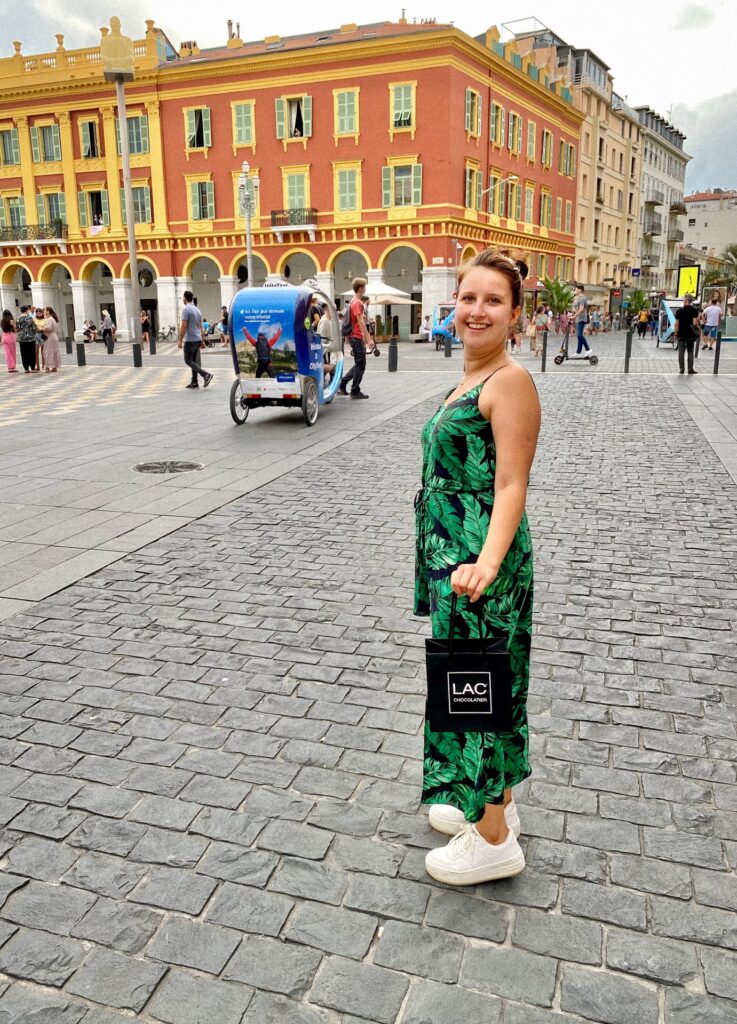
For something sweet, LAC Chocolatier is a lovely stop to break up your sightseeing. Pair it with a wander through Vieux Nice and then make your way up to Castle Hill before the afternoon light fades.
A Glass of Rosé
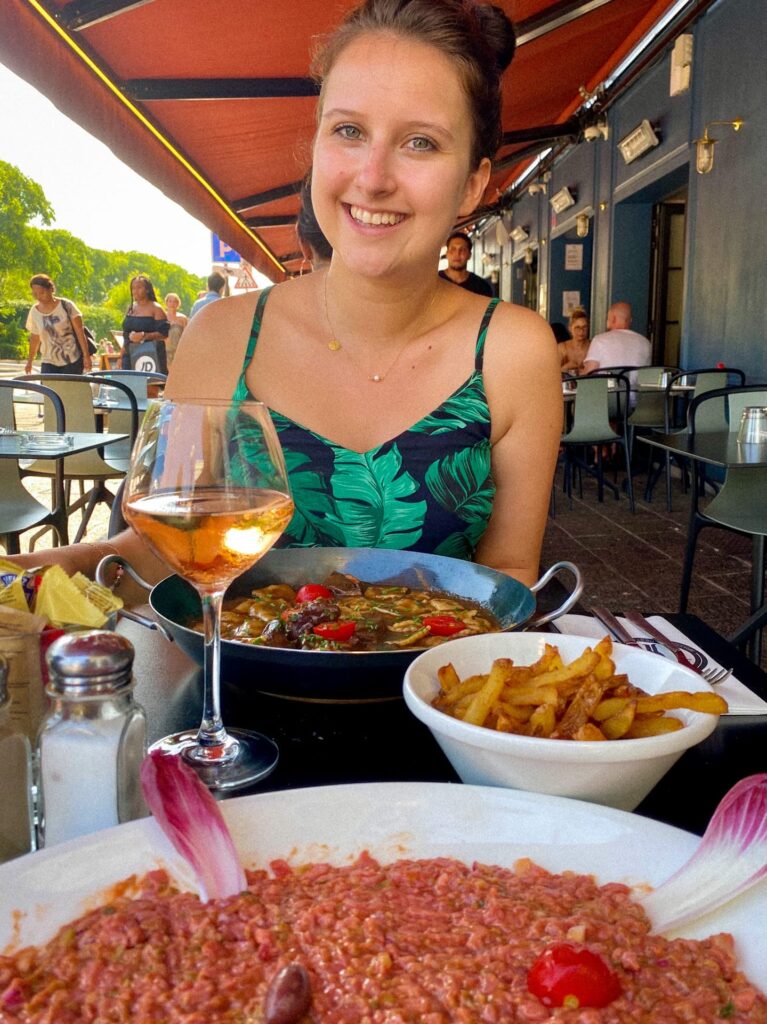
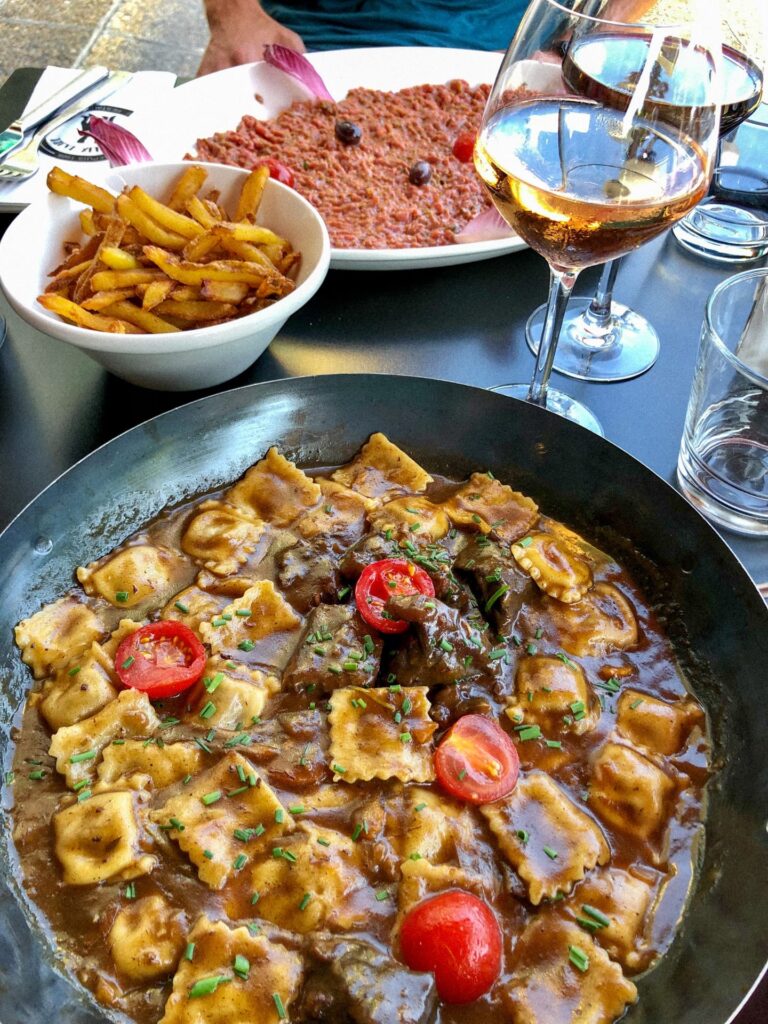
This is Provence-adjacent territory, and the local rosé is excellent — dry, pale and a long way from the sugary versions you sometimes find elsewhere. We had ours at a pavement table somewhere in the old town and it was one of those simple moments that makes a trip feel properly indulgent. Find a spot that looks right and order a glass. You’ll understand what we mean.
Stop 5: Cannes
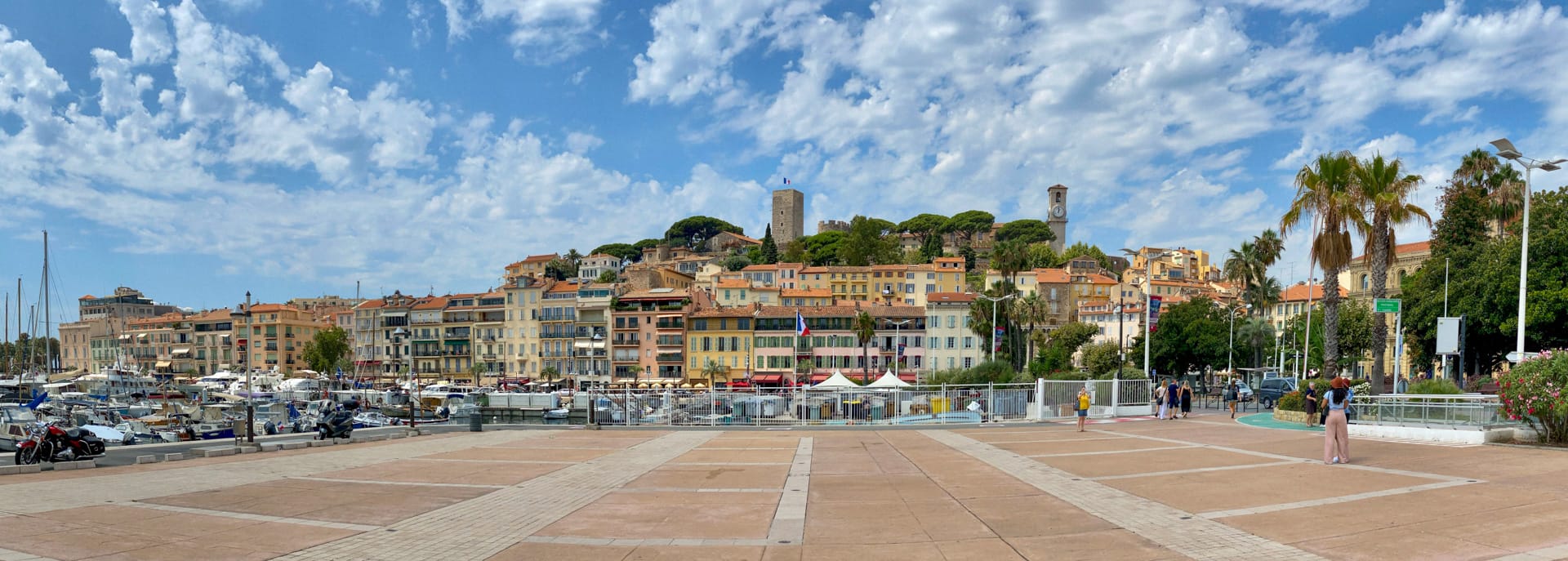
Cannes is a fitting final stop because it delivers a very different mood from where you started in Genoa. It’s polished, beachy and built around image in a way that feels completely on-brand for the French Riviera. The Palais des Festivals and its famous red-carpet setting are the obvious landmark, but even if you’re not arriving during the film festival, the atmosphere around it does most of the work: the marina, the boutiques, the Croisette promenade and the sense that even an ordinary weekday afternoon is making a bit of an effort.
Where to Eat in Cannes
Don’t leave without visiting the Marché Forville, a short walk from the port — one of the best covered markets on the Riviera, with excellent local produce, cheese, olives and charcuterie. It’s open every morning except Mondays, and it’s worth arriving early before the heat sets in.
For lunch, the streets around Le Suquet — Cannes’ old quarter on the hill above the port — are a better bet than anything along the Croisette if you’re looking for quality over footfall. The views from up there over the harbour are a nice final memory to take away with you.
Final Thoughts
This is the kind of road trip that wins on contrast. Genoa is historic and edible in equal measure. Sanremo is a welcome pause between two more intense stops. Monaco is unlike anywhere else in the world, for better or worse. Nice is genuinely lovely in a way that doesn’t feel overhyped. And Cannes sends you home with a final shot of Riviera confidence.
If you like trips that combine good food, varied city atmospheres and sea views almost the entire way through, this route delivers every time. We’ve done stretches of it separately over the years, but doing it end-to-end in four focused days has a satisfying completeness to it that we’d recommend to anyone.
Which stop on this route is already calling your name? Let us know in the comments — and if you’re planning a trip, drop any questions below and we’ll do our best to help.
Visited in 2021 and revisited Genoa in 2025. Some restaurant details may change — always worth checking ahead.