
Milano doesn’t always get the same dreamy whisper treatment as Rome or Florence, but here’s the thing: it probably should.
In just 24 hours you can walk through a cathedral that took nearly six centuries to complete, stroll one of the most beautiful arcades in the world, eat the dish that put this city on the culinary map, and raise a cold glass as Milan shifts into its most irresistible mode. This is how to spend one very good day in the city.
How to spend 24 hours in Milan
If this is your first visit, the smart move is to anchor your day in the historic centre and let it expand naturally from there. Start at the Duomo, drift through the Galleria, sit down for a proper Milanese lunch, head west to Castello Sforzesco, and end somewhere with a Campari or Aperol Spritz in hand as the sun goes down. That’s it. That’s the day.
The temptation is always to try and squeeze in the Last Supper as well, and if that’s on your list, do it, but book tickets weeks (sometimes months) in advance through the official site. It doesn’t just sell out; it evaporates. If you haven’t planned ahead, save it for a return trip and focus on what’s in front of you.
Milan rewards focus. Resist the sprint.
Start at the Duomo di Milano
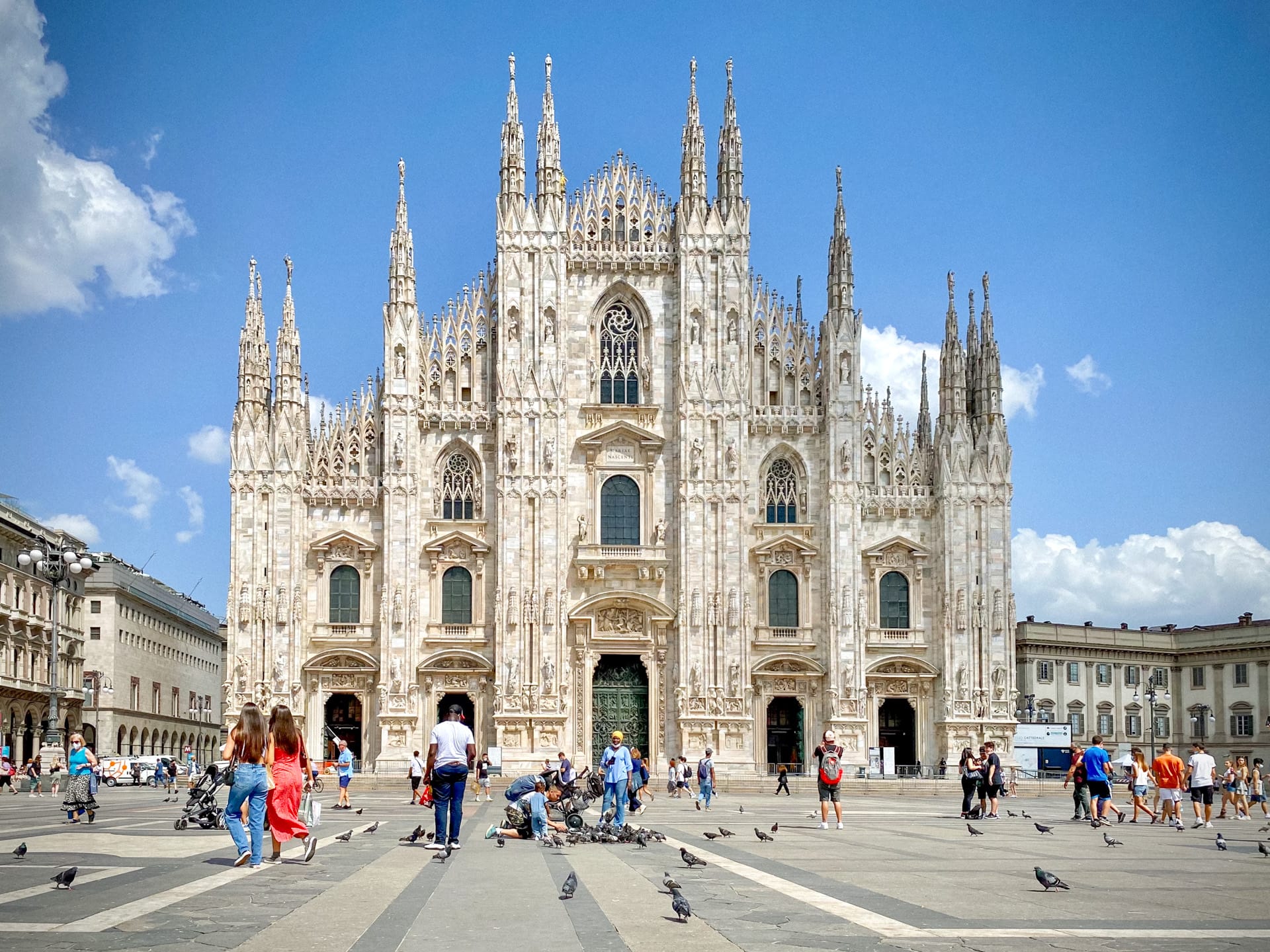
Any one-day Milan itinerary begins here, and rightly so. The Duomo di Milano is the third largest church in the world, and yet standing in Piazza del Duomo for the first time, it still catches you completely off guard. The Gothic façade is a forest of white marble spires, 135 of them, crawling upward past flying buttresses and carved saints toward the golden Madonnina statue at the very top. It’s been under construction, renovation or restoration for so long (building began in 1386) that Milanese slang uses the phrase fabbrica del Duomo, “Duomo construction site”, to describe anything that never seems to get finished.
Aim to arrive early, before the tour groups fill the square and the midday heat kicks in. The morning light is softer and the piazza quieter, and you get a moment to actually look at the building properly rather than over someone’s selfie stick.
Book the rooftop. This is the upgrade that turns a cathedral visit into something genuinely memorable. You take stairs or a lift up to the terraces and suddenly you’re walking between the spires, face-to-face with the marble saints and gargoyles that look like fine decorative details from the street below but turn out to be enormous, extraordinary sculptures up close. On a clear day you can see the Alps. Book in advance through the official Duomo website to skip the queues, it’s worth it every time.
Walk through Galleria Vittorio Emanuele II
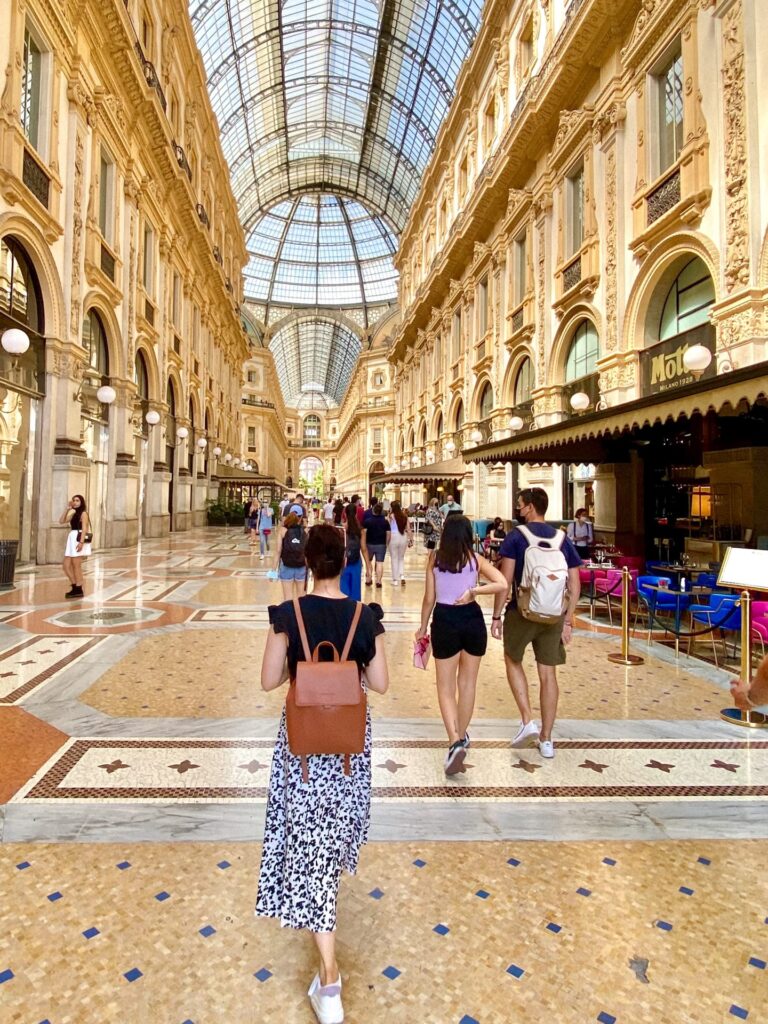
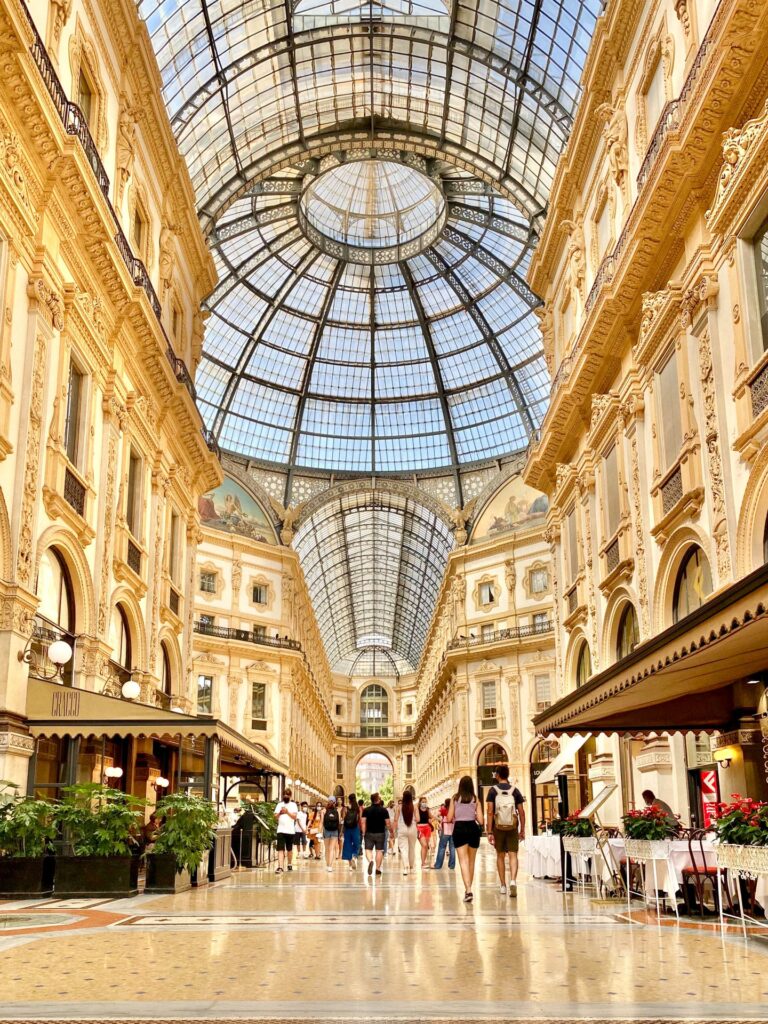
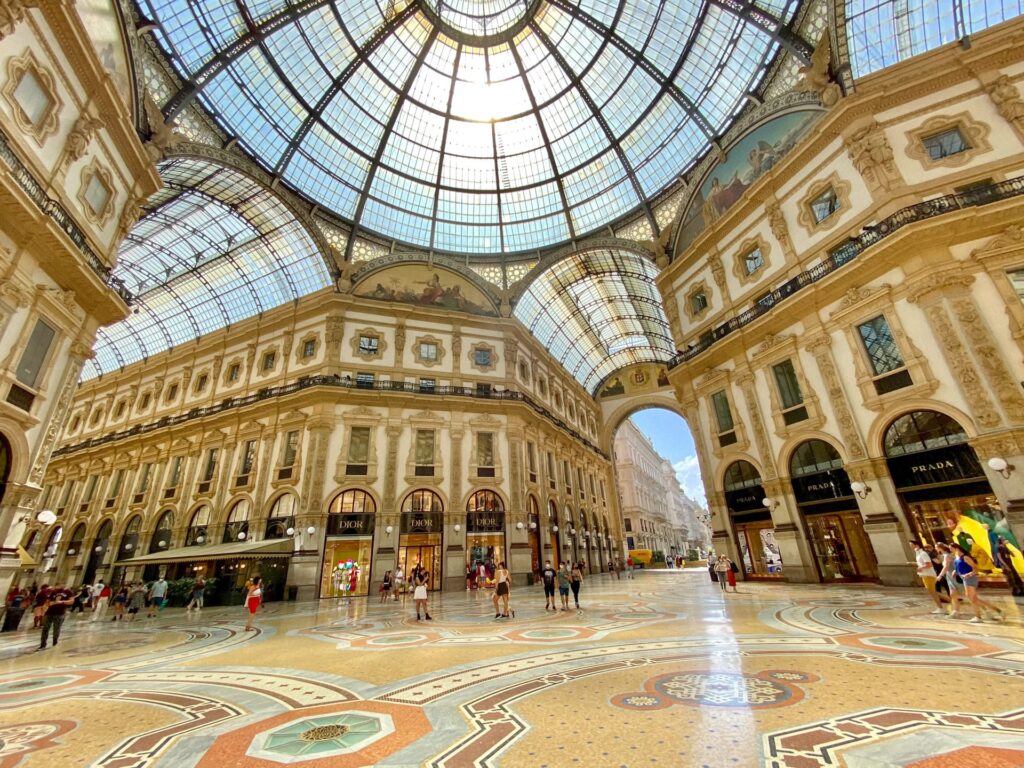
Just beside the Duomo, Galleria Vittorio Emanuele II is Milan’s answer to “what if a shopping arcade felt like a cathedral?” Built in the 1860s and completed in 1877, it’s one of the oldest and most beautiful covered galleries in the world. A soaring glass-and-iron dome, intricate mosaic floors, and colonnaded arcades lined with some of the most expensive retail in Europe.
You don’t need to shop here (though Prada and Louis Vuitton are very much present). What makes the Galleria worth a slow wander is the atmosphere: the way light falls through the vaulted glass ceiling, the elegant café terraces where you can pay a small fortune for a coffee and feel entirely justified, and the mix of tourists, business lunches and locals moving through on autopilot.
Try the local tradition: look for the mosaic bull on the floor in the central octagon, it’s part of the Savoy family crest worked into the design. According to Milanese tradition, spinning on your heel on the bull’s more sensitive anatomy brings good luck. The mosaic is notably worn down in that precise spot, which tells you everything you need to know about how seriously people take it. Give it a go.
Looking for things to do in and around Milan?
Pause for a proper Milanese lunch
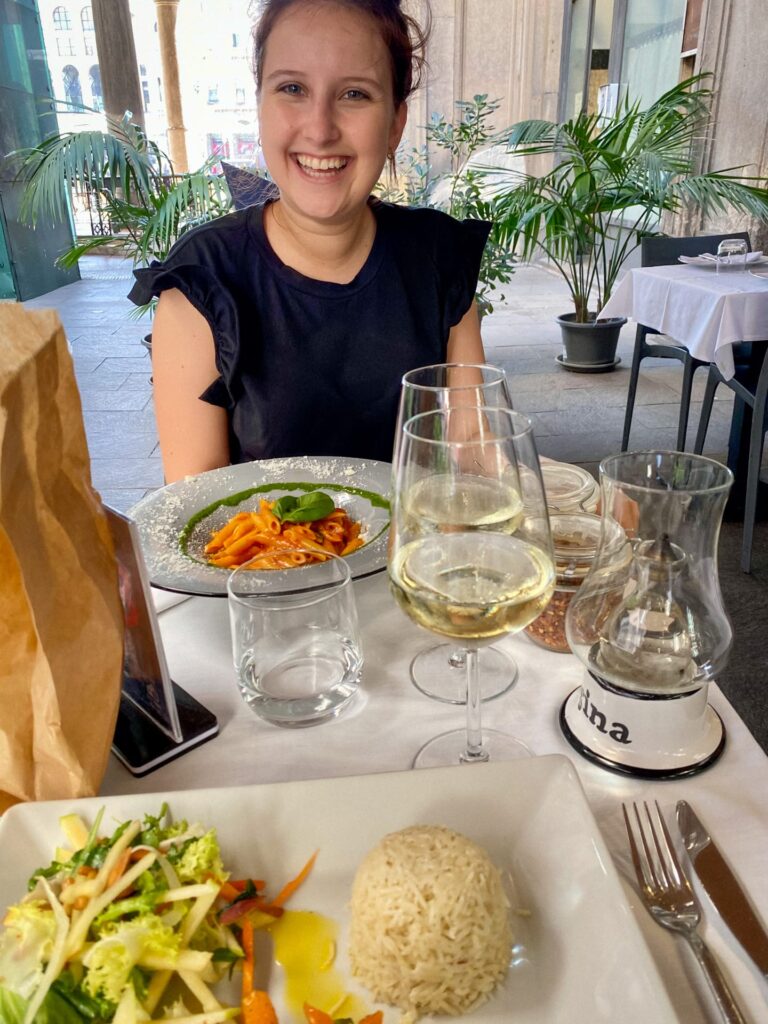
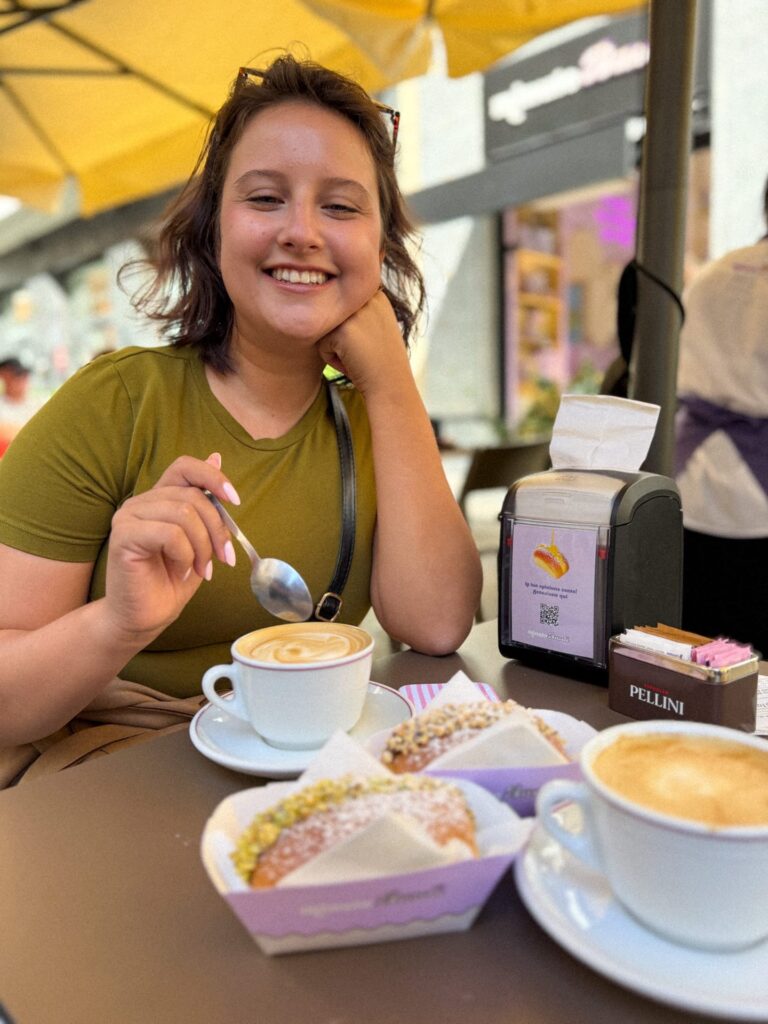
This is where a lot of first-timer itineraries quietly fall apart. Milan has a handful of dishes that are genuinely, deeply its own, and you’d be doing yourself a disservice to grab a generic tourist menu within sight of the Duomo when the real stuff is often just two streets away.
What to order:
Risotto alla Milanese is Milan’s signature rice dish, cooked slowly with saffron until it turns a deep, burnished gold and develops a rich, almost silk-like texture. The saffron isn’t decorative, it gives the risotto its distinctive earthy sweetness and that colour that looks almost impossibly good. Order it even if you think you’ve had risotto before. You probably haven’t had this.
Cotoletta alla Milanese is Milan’s answer to the Wiener Schnitzel. And yes, there’s a centuries-old argument about which came first. It’s a veal cutlet (traditionally bone-in, which is how you know a kitchen cares) that’s been pounded thin, breaded and pan-fried in butter until golden and deeply crisp. It’s been on Milanese tables since at least the 12th century and it’s still the dish that feels most unapologetically, stubbornly local.
Ossobuco is one of Milan’s most emblematic dishes, a specialty that captures the city’s taste for rich yet refined comfort food. Its name comes from the Milanese dialect òss bus, meaning “bone with a hole,” a nod to the classic cut of veal shank: a thick slice of shin with tender meat wrapped around a marrow-filled bone. Ossobuco is most famously served with saffron-hued risotto alla milanese, creating one of the city’s defining dishes and a must-try for anyone exploring Milan through its food.
Panzerotto or panzerotti (pl.) is what you want if you’re after something quicker, cheaper and absolutely worth eating on your feet. It’s a small, deep-fried dough pocket filled with tomato and mozzarella, like a calzone’s more concentrated cousin, crispier and easier to eat while walking. Despite its origins in Puglia, it is considered a cornerstone of Milanese street food. Luini, near the Galleria, is the most famous spot in the city for them and the queue moves fast.
Where to find the good stuff: Around the Duomo, the tourist traps announce themselves loudly: laminated menus, aggressive door greeters, photos of every dish. Drift one or two streets off the main square and the quality improves noticeably. The streets around Via Speronari and Via Torino tend to have a better mix of proper local spots without the performance. Trust your instincts: if the place looks like it’s been there for decades and nobody’s trying to wave you in, you’re probably in the right spot.
Walk to Castello Sforzesco
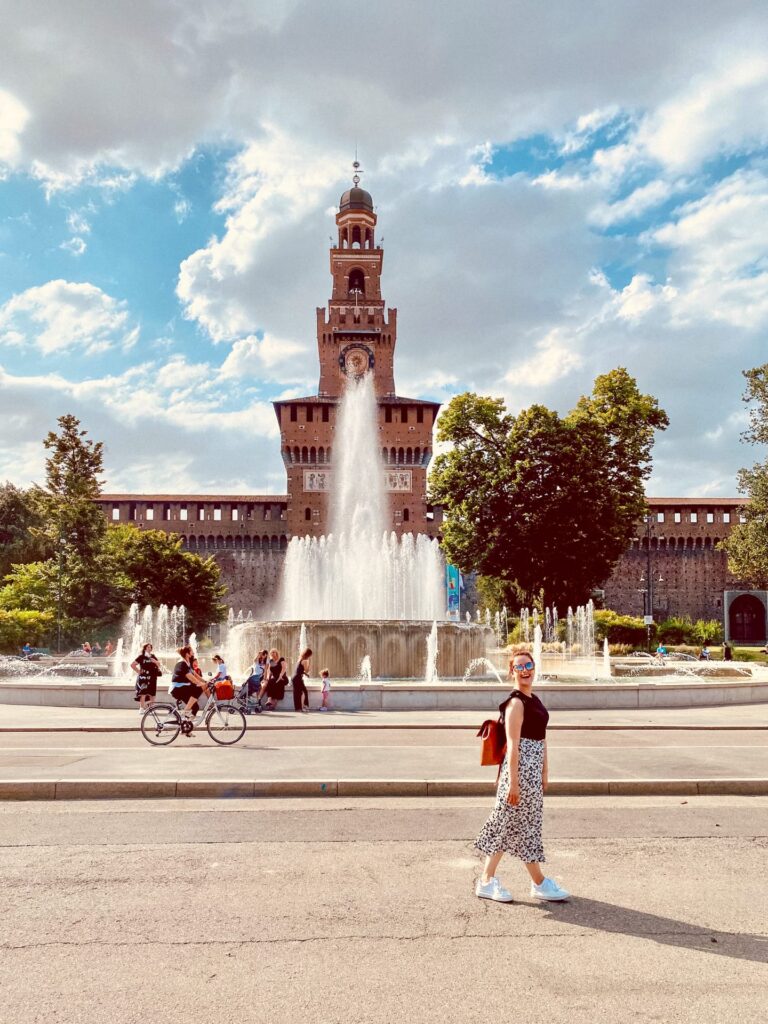
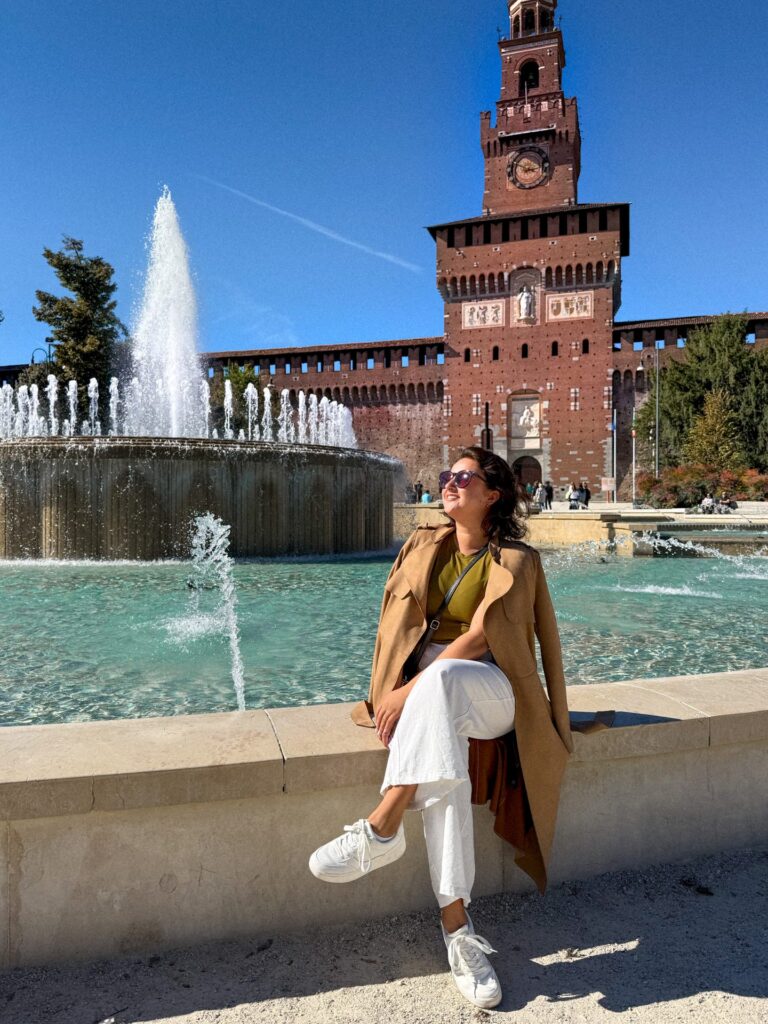
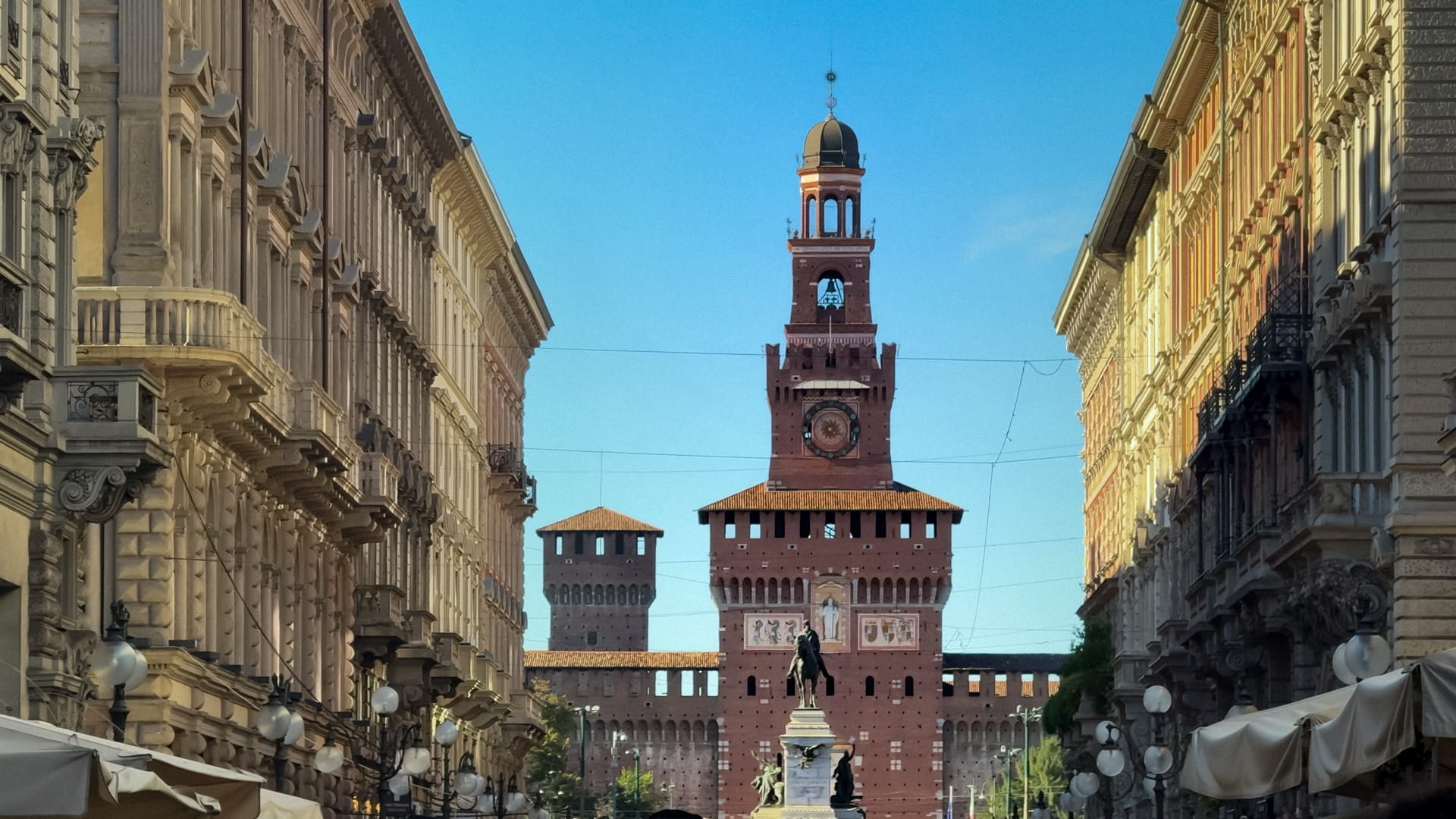
After lunch, head west on foot. It’s about a 20-minute walk from the Duomo, which is long enough to let everything settle. The route along Via Dante is one of Milan’s more pleasant pedestrian stretches before it opens out dramatically onto the castle’s red-brick facade.
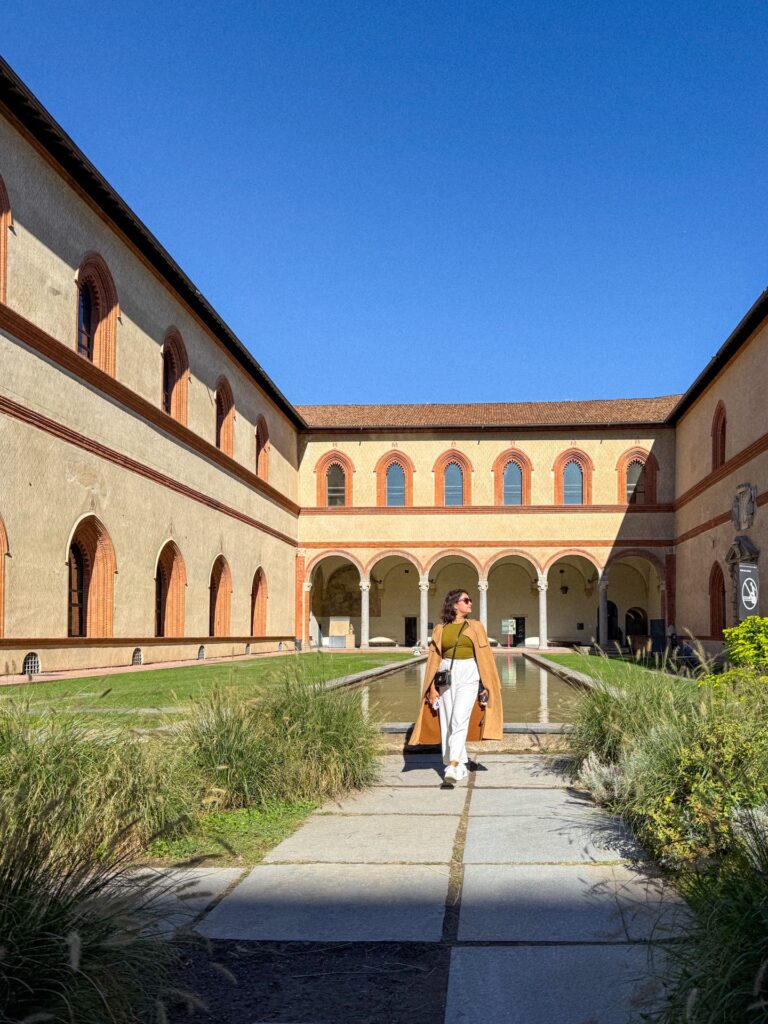
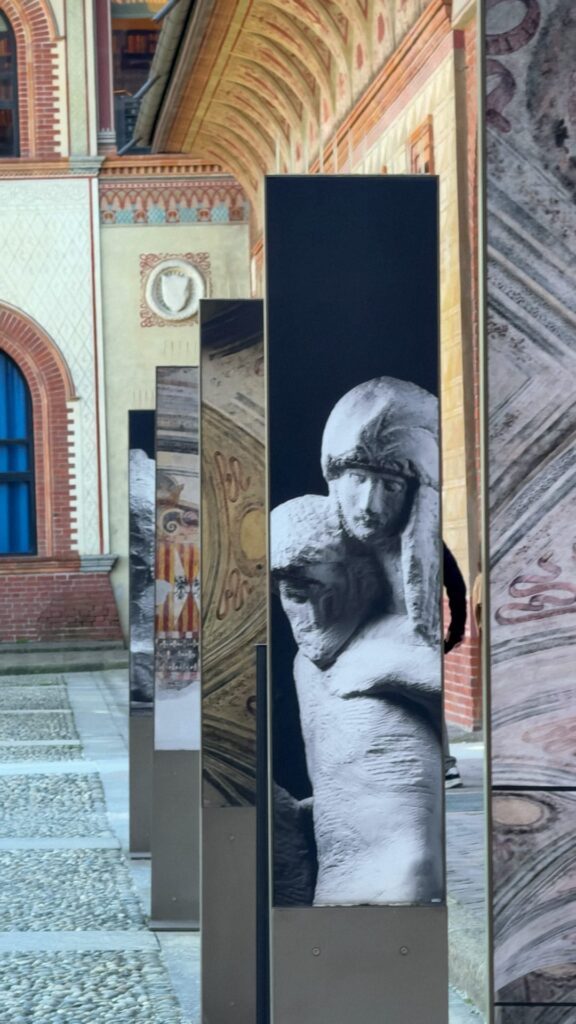
Castello Sforzesco was built in the 15th century by Francesco Sforza, Duke of Milan, on the site of an earlier fortification. It became one of the most significant Renaissance courts in Europe. Leonardo da Vinci lived and worked here for nearly 17 years, painting, designing waterways and conducting experiments from within these walls. That detail tends to hit differently once you’re standing in the courtyard.
If the museums appeal (and they’re well worth it if your energy holds), the standout is Michelangelo’s Rondanini Pietà, his final, unfinished sculpture, which he was still working on just days before his death at 88. It’s rough, raw and deeply moving in a way that polished marble masterpieces rarely are. The museum gives it its own dedicated room, and rightly so.
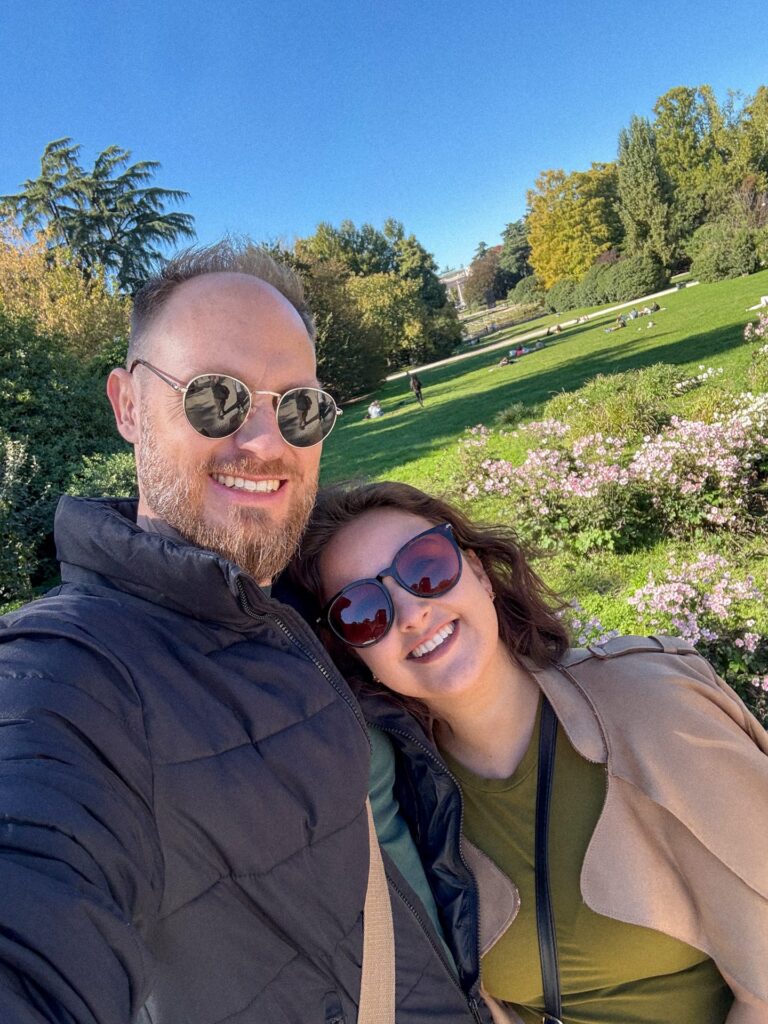
If the museums don’t call to you, the grounds themselves are genuinely pleasant. The large park behind the castle, Parco Sempione, is good for a post-lunch coffee, a gelato stop or simply sitting somewhere that isn’t a queue.
Leave room for gelato and wandering
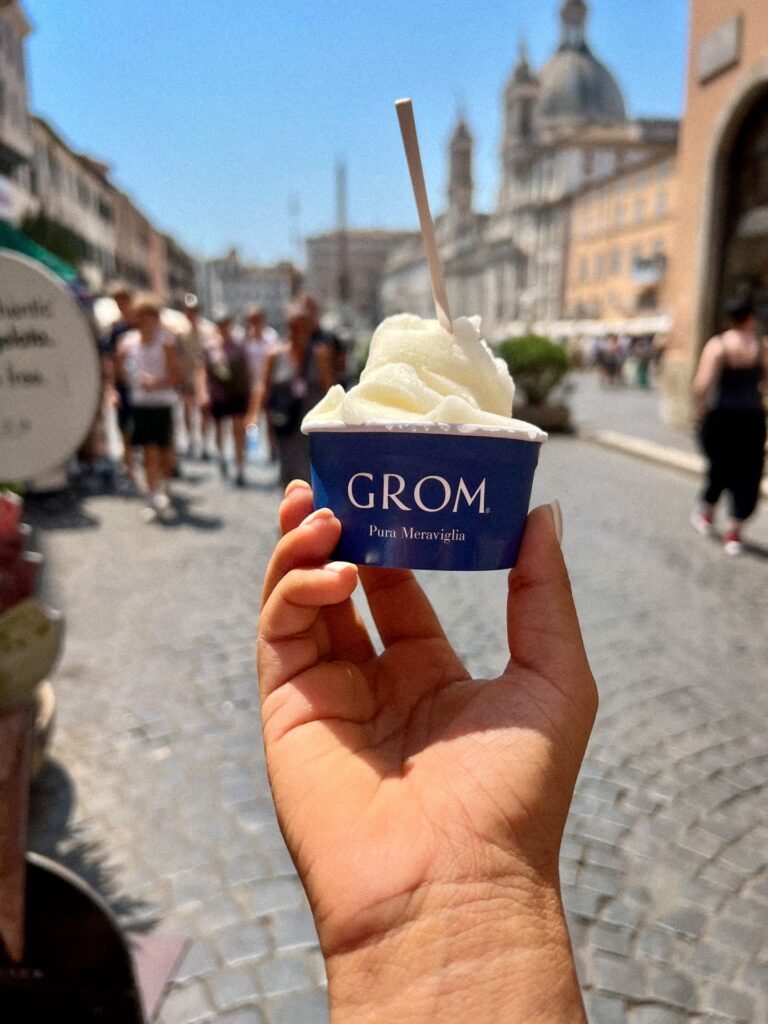
A Milan day without a gelato break is an opportunity wasted. The city has some excellent gelaterie. Look for shops where the gelato is stored in covered metal containers rather than piled high in bright, gravity-defying peaks. Covered storage almost always means fresher product and no artificial enhancement to make it look sculptural.
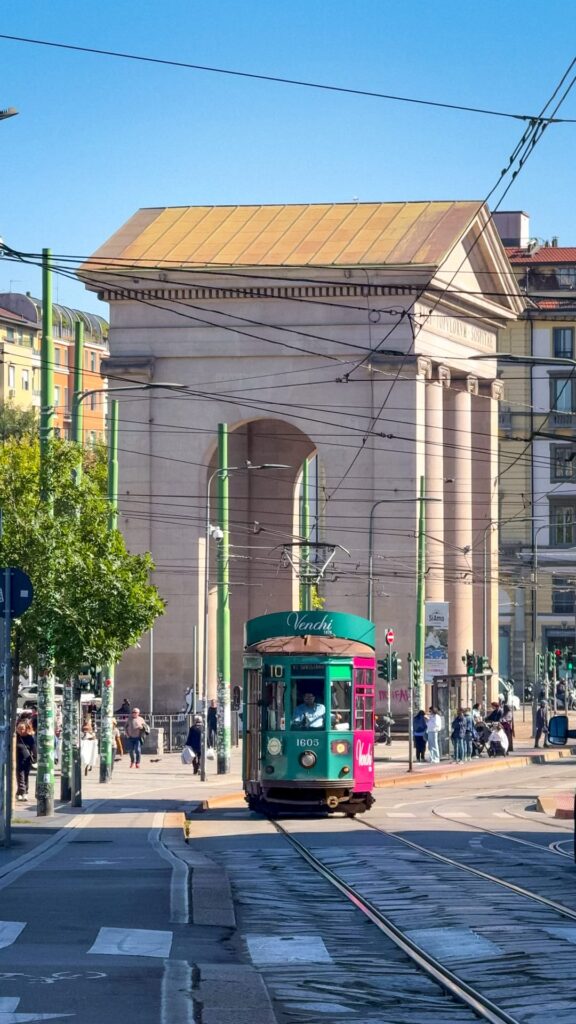
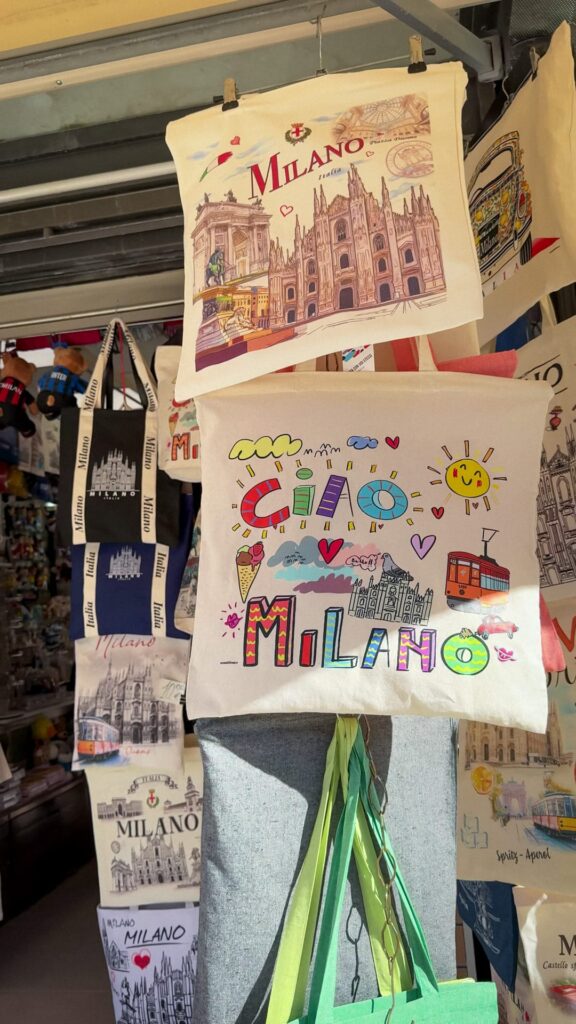
Use this part of the day as your flexible buffer. Milan is genuinely beautiful to walk around: tram lines running through wide avenues, well-dressed locals moving at a pace that feels both purposeful and unhurried, the way elegant Neoclassical buildings give way to modernist apartment blocks without warning, the heavy wooden doors on side streets that hint at hidden courtyards you’ll never quite get a full look at. Give yourself permission to follow whichever street looks most interesting. The city shifts from monumental to quietly residential within a few blocks, and that transition is worth experiencing on foot.
End with aperitivo, Milan’s finest ritual
If you do one thing to make your Milan day feel genuinely Milanese, stay for aperitivo.
Here’s how it works: from around 6pm onwards, bars across the city serve drinks alongside a spread of small snacks. Sometimes just olives, crisps and a few bruschette, sometimes an entire buffet depending on the neighbourhood and the bar. The ritual isn’t really about the food. It’s about the hour itself. The city gear-shifts. The pace slows, the light turns golden, and Milan quietly becomes the stylish, effortlessly cool place its reputation promises.

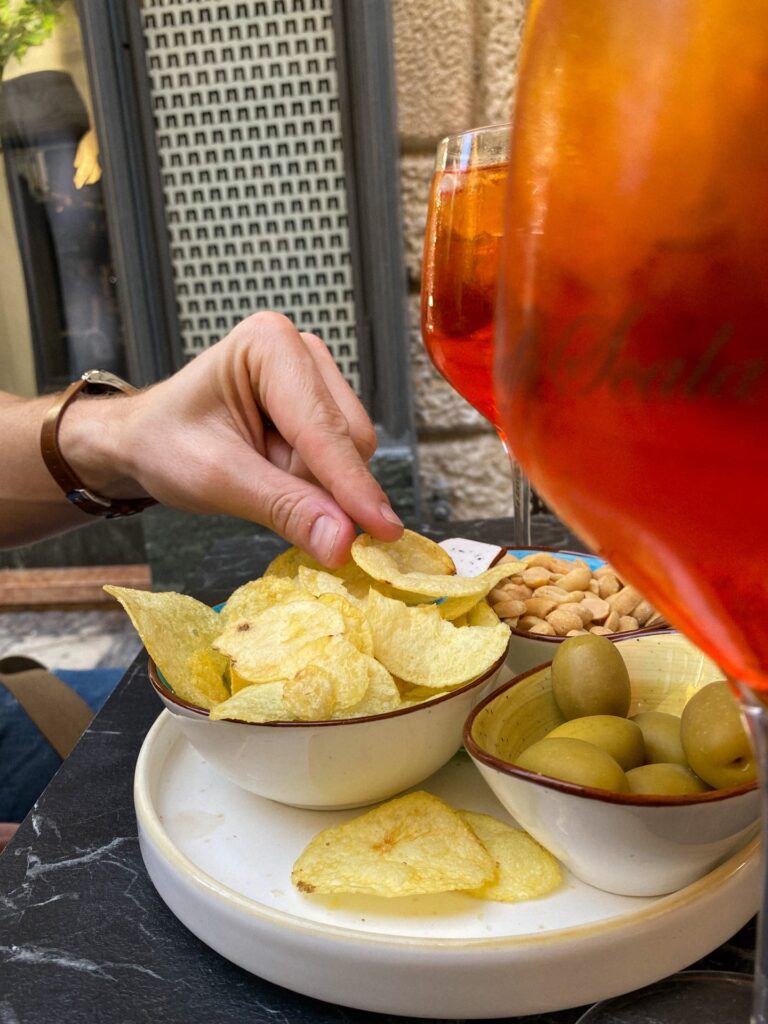
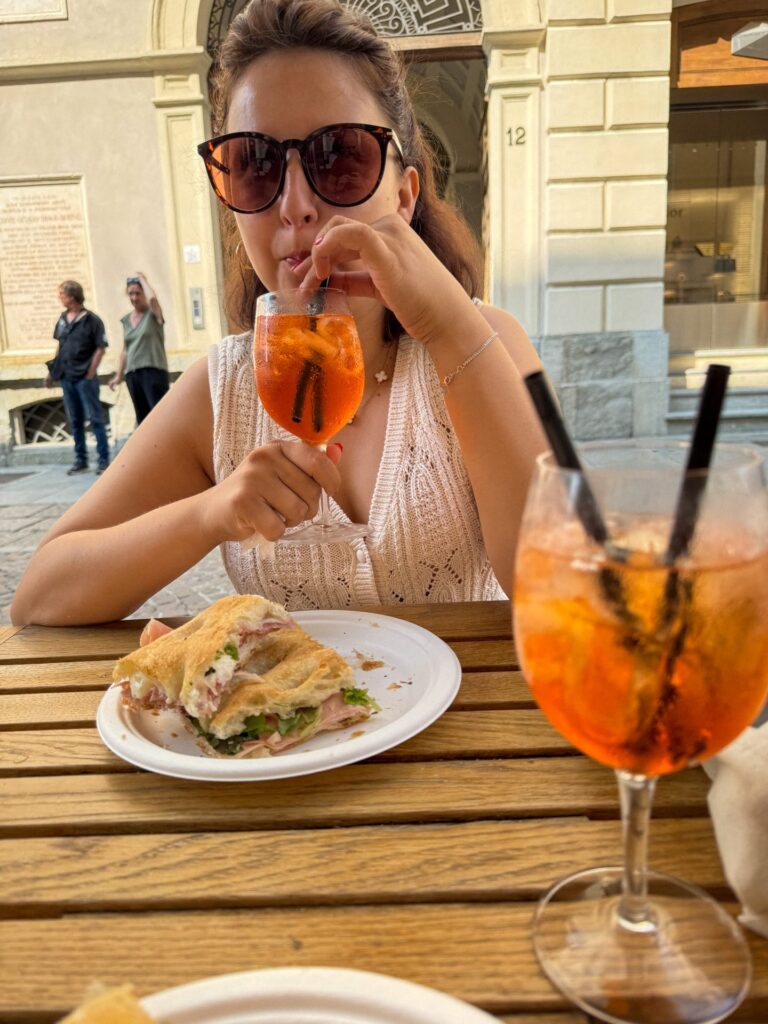
What to order: An Aperol Spritz is the obvious call and genuinely hard to argue with at golden hour — prosecco, Aperol, a splash of soda and a fat slice of orange. If you want to go more local, try a Campari Spritz instead. Campari was invented in Milan in 1860 and has been inseparable from the city’s bar culture ever since. The bitter, ruby-red version feels more specifically Milanese and slightly more grown-up. A Negroni (Campari, gin, sweet vermouth) is the other classic worth considering if you’re after something that means business.
Which neighbourhood:
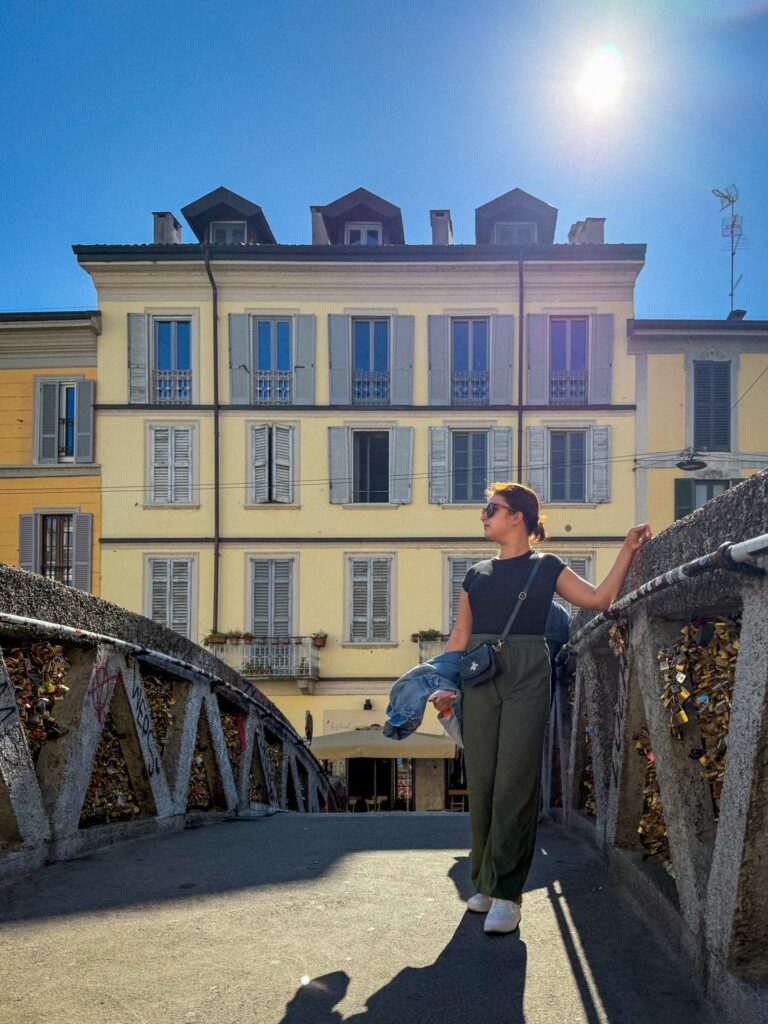
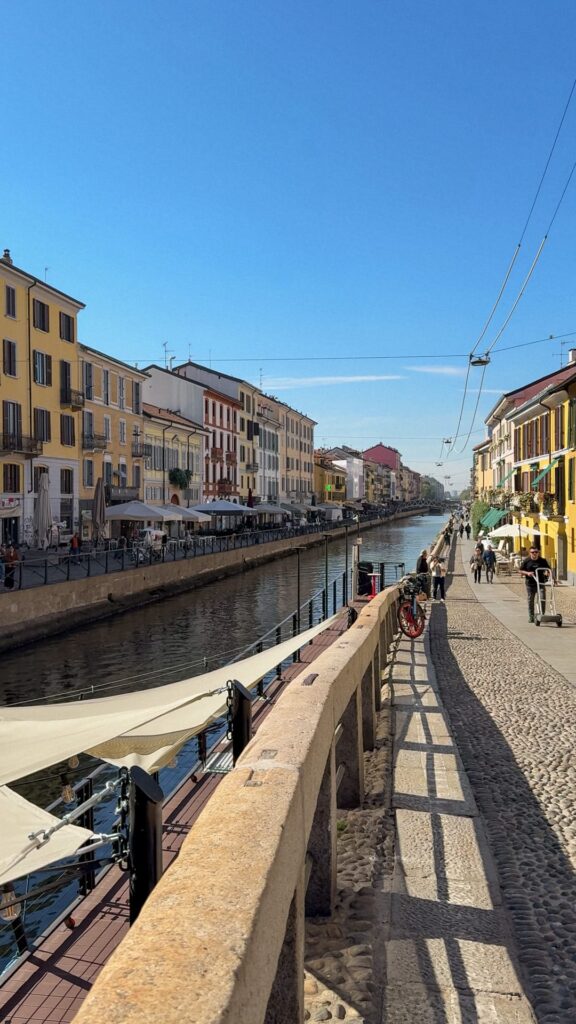
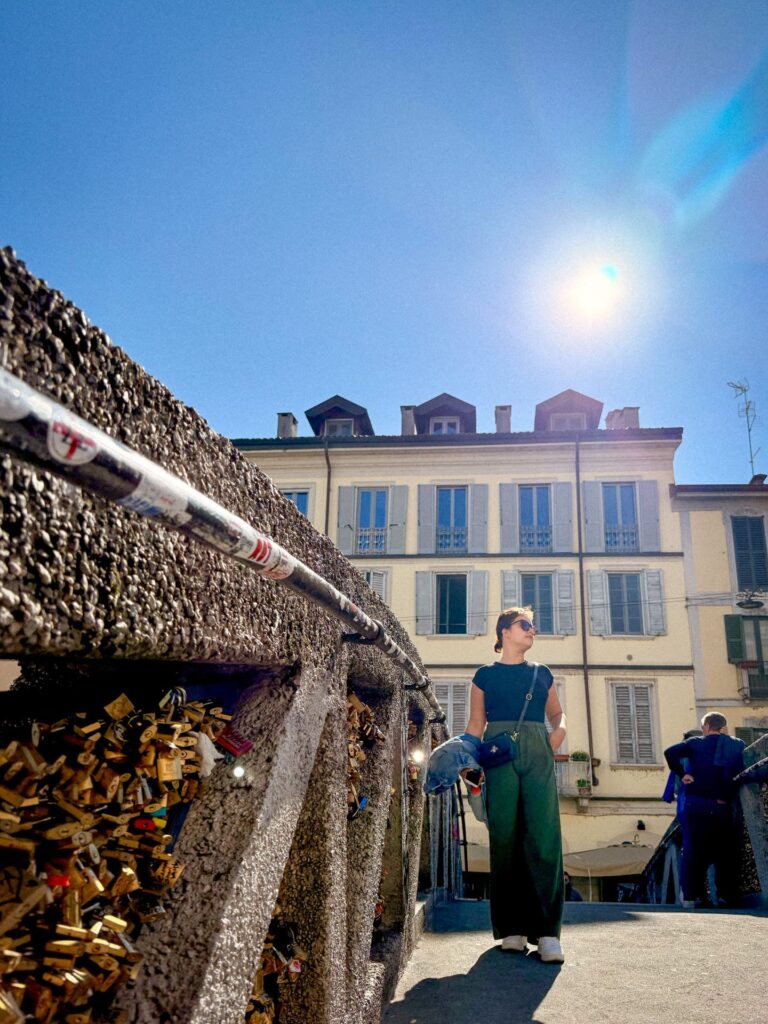
Navigli is the classic choice. A canal district a few kilometres south of the centre, with bars lined up along both waterways. It’s busy, buzzy and occasionally touristy, but the setting as the sun drops and the canal lights come on is genuinely lovely. Best reached by tram (Line 2 from the centre) or a 25–30 minute walk from Castello Sforzesco.
Brera is more refined and village-like. An art district with narrow cobbled streets, good wine bars and a slightly calmer crowd. If Navigli feels too loud, Brera is an excellent alternative and more central.
Porta Venezia is for when you want something that feels genuinely neighbourhood rather than destination. The aperitivo scene here is relaxed, diverse and local-feeling. Less of a scene, more of an evening.
You don’t need a packed plan for this part of the day. A good drink, a few snacks, and an hour or two of people-watching is a very Milan way to end things.
Is 24 hours in Milan enough?
Enough for a genuinely satisfying first visit? Absolutely. You won’t see everything — the Last Supper, the fashion district, the Pinacoteca di Brera, the neighbourhood of Isola, but that’s fine. Milan isn’t a city that gives itself up in a single pass. What 24 hours does is give you the mood, the food, the architecture, and enough of the everyday rhythm to know whether you want to come back. Most people do.
Final thoughts
Keep it simple, keep it focused, and don’t try to sprint. Duomo, Galleria, lunch, Castello Sforzesco, gelato, aperitivo. That’s a Milan day that actually feels like Milan, not a highlight reel, but an experience.
Visited in summer 2021 and revisited in autumn 2025. Practical details can change, it’s always worth checking opening times and current status before your trip.