Fair warning: do not read this hungry. Brussels is one of those cities where the food is not just a bonus. It is the whole point. Waffles, frites, chocolate, moules-frites, Belgian beer. You could eat your way through a long weekend here and still feel like you have only scratched the surface.
What makes Brussels especially good for a city break is the balance. The main sights are compact and walkable, so you never feel like you are running a logistical marathon between landmarks. But there is also enough variety, with grand architecture, comic-book culture, covered arcades, quirky humour, that you are never wondering what to do next. And if you want to add a second city without much effort, Antwerp is one of the easiest and most rewarding day trips in Europe.
Oh, and come hungry, trust us.
Why is Brussels worth a long weekend
Brussels tends to be underestimated, partly because it sits in the shadow of Paris and Amsterdam and partly because it is not the kind of city that shouts about itself. What you get instead is a place with real personality: a slightly offbeat sense of humour, a strong café-and-snack culture and a historic centre that rewards slow exploration rather than sprint sightseeing.
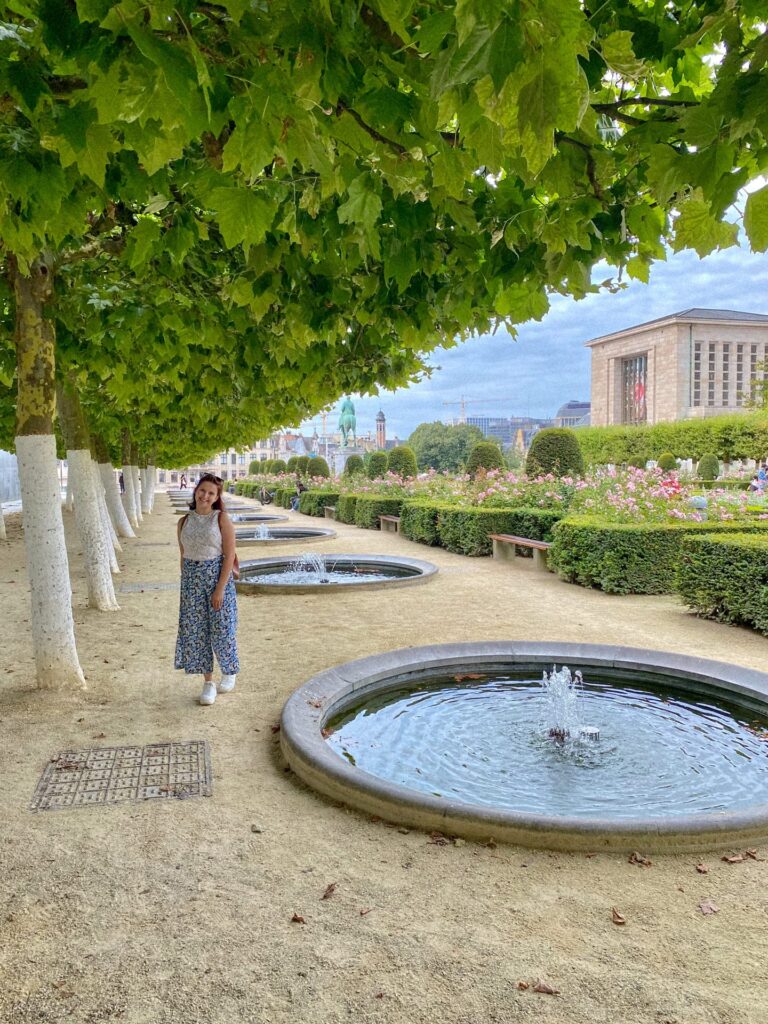
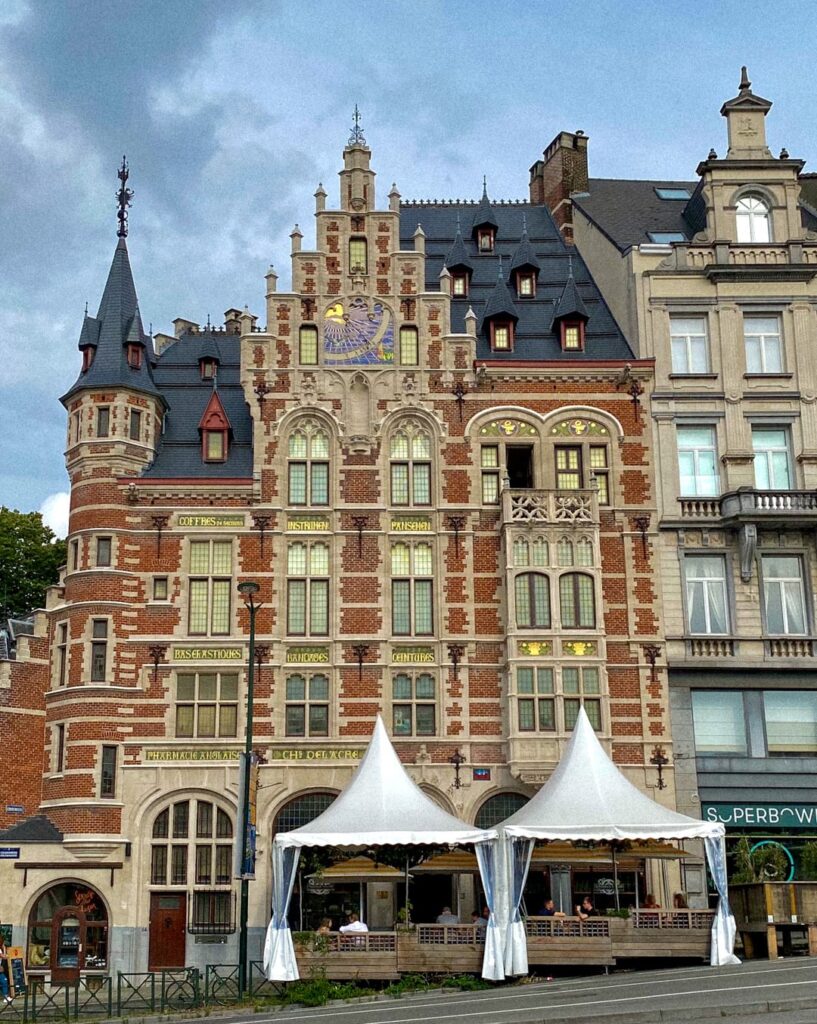
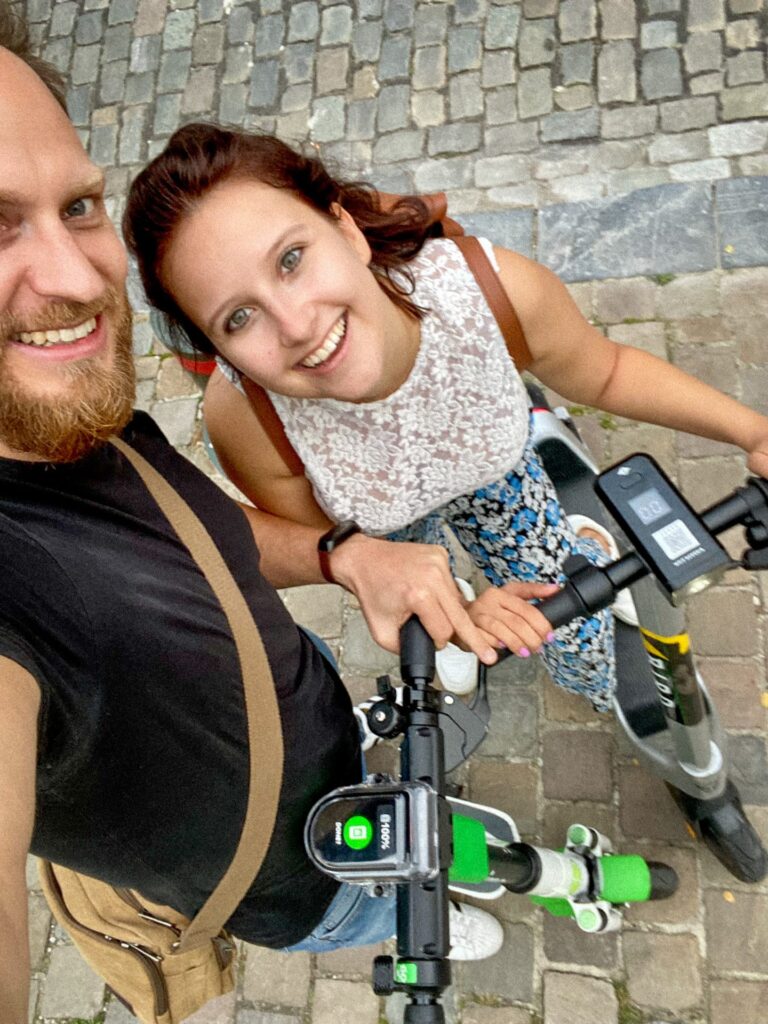
For first-time visitors, the biggest win is how manageable the centre is. Grand Place, Manneken Pis, the Royal Gallery of Saint Hubert, the Sablon chocolate quarter and plenty of Belgian beer stops all sit within easy walking distance of each other. You can do a lot here without constantly checking transport apps.
Three days gives you time to see the essentials, eat very well and still fit in either a bigger attraction outside the centre, like the Atomium, or a full day trip to Antwerp. If you only have two days, you will still leave satisfied. Brussels is that kind of place.
Quick planning tips
- Best for: First-time city breaks, food lovers, architecture fans, couples, easy long weekends
- How much time you need: 2 days works for the highlights; 3 days is ideal if you want Antwerp
- Walking level: Easy to moderate — the historic centre is very walkable
- Best strategy: Keep your base central (near Grand Place or Place du Grand Sablon), group sights by area
- Getting there: Eurostar from London St Pancras in around 2 hours; TGV from Paris in around 1 hour 20 minutes; direct rail connections from Amsterdam, Cologne and beyond
- Good to know: The Atomium is outside the old centre, so treat it as its own half-day rather than an afterthought
What to see in Brussels
Grand Place
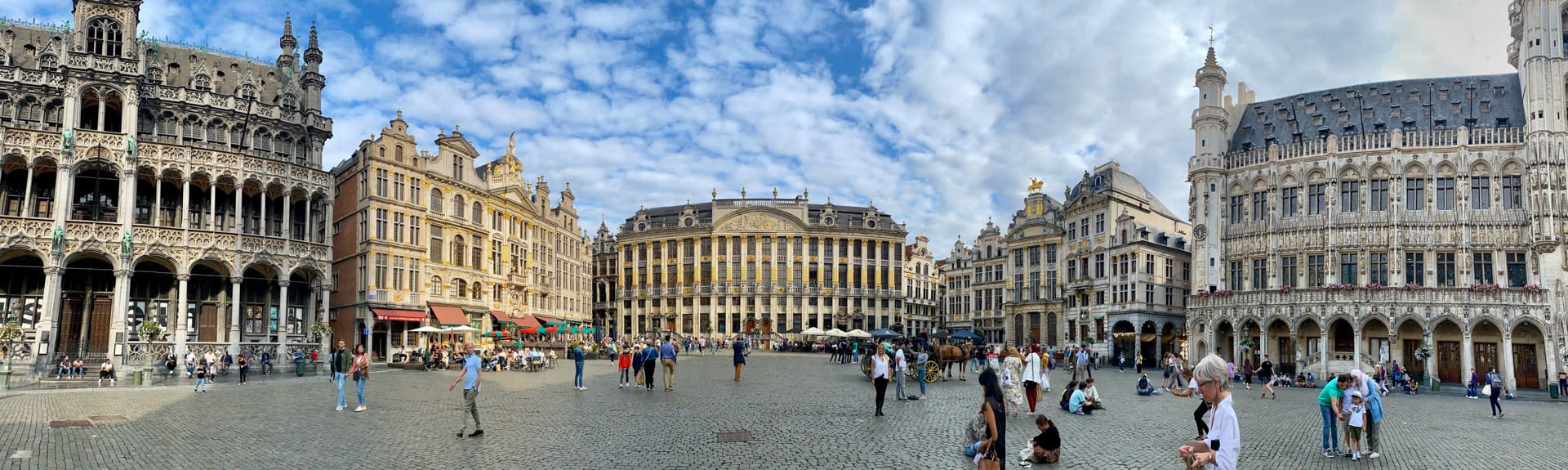
If there is one place to start your Brussels weekend, it is here. Grand Place is the city’s centrepiece and one of the finest medieval squares in Europe, a UNESCO World Heritage Site since 1998, and genuinely one of those places that earns that status. The Gothic Town Hall, the ornate guild houses and the Maison du Roi (which now houses the city museum) crowd the square in a way that feels theatrical without being overdone.
It also changes mood depending on when you visit. In daylight you notice the detail and the scale. Around sunset and after dark, with the whole square illuminated, it feels like something out of a film set. If you can, pass through more than once across your stay. It is one of those landmarks that is actually worth revisiting.
Practical note: The square gets busy mid-morning. If you want it quieter, aim for early morning or just after sunset.
Manneken Pis, Jeanneke Pis and the city’s sense of humour
Yes, Manneken Pis is small. Yes, there will be a crowd. And yes, it is still worth a look. Mostly because it tells you something genuine about Brussels beyond the polished postcard version. The city dresses this tiny fountain statue in hundreds of different costumes throughout the year, takes it completely seriously, and yet the whole thing still feels faintly absurd. That tension is very Brussels.
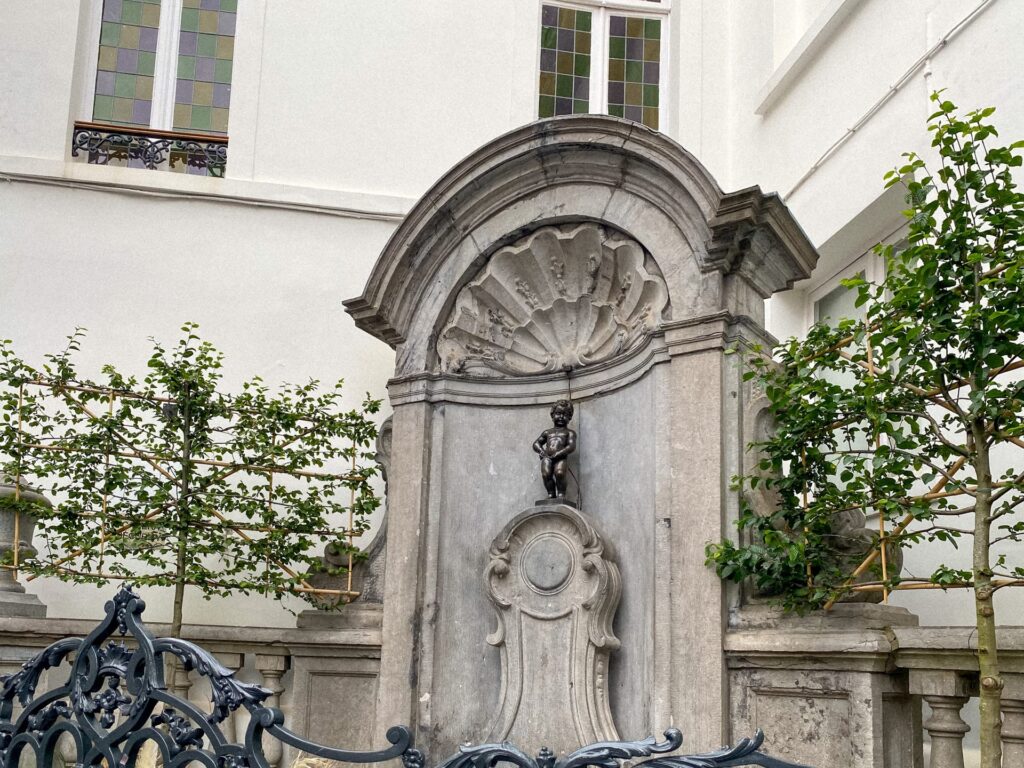
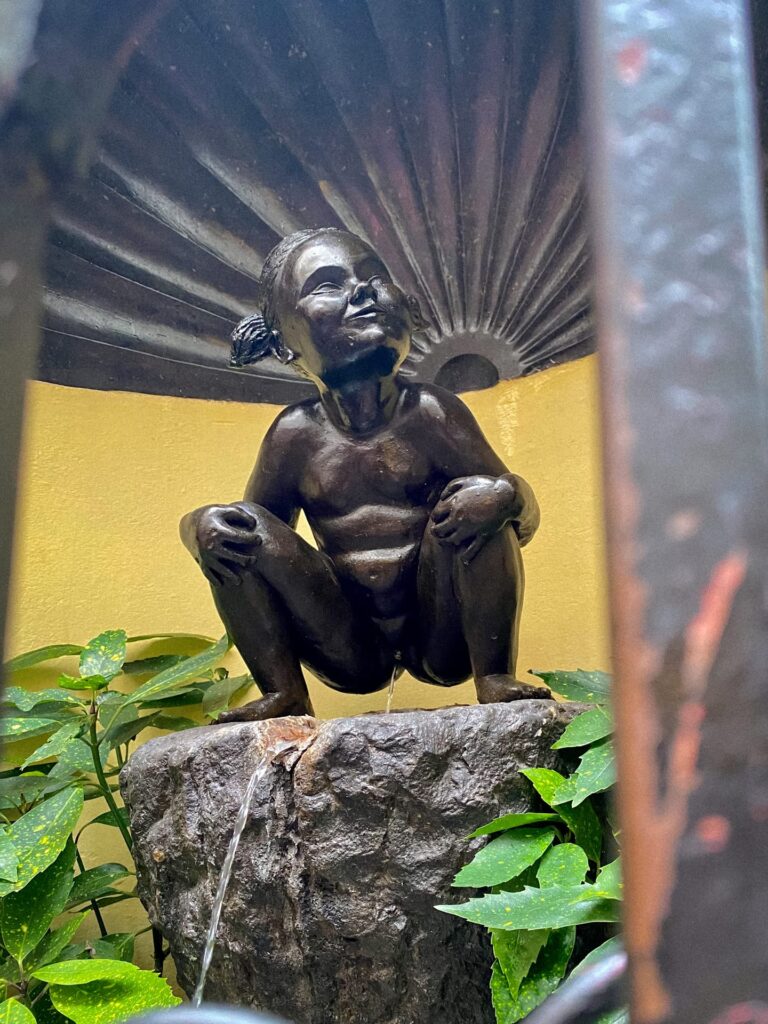
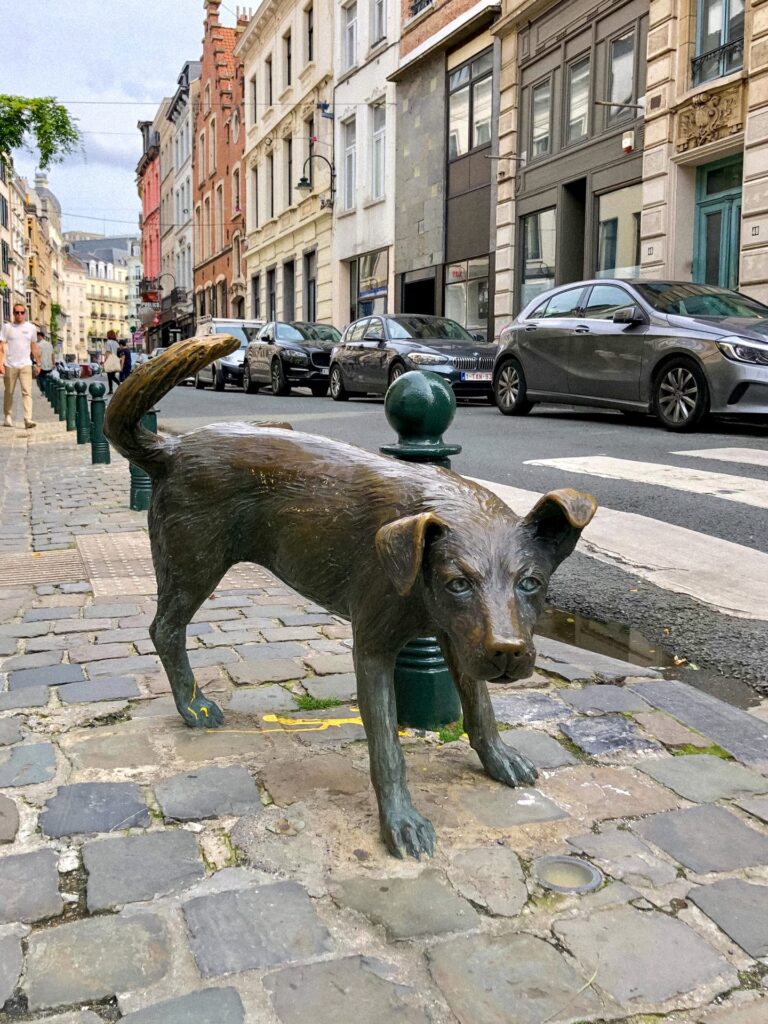
Because it is only a short walk from Grand Place, it fits easily into a morning walking route without becoming a big mission. If you enjoy the playful side of the city, also look out for Jeanneke Pis (a female counterpart tucked into a small alley off Rue des Bouchers) and Zinneke Pis (a dog version, found in the Dansaert neighbourhood). None of them is a major monument in the classical sense, but together they say a lot about why Brussels has the personality it does.
Tip: Treat the whole trio as a loose walking trail through the centre rather than a checklist of standalone stops.
Royal Gallery of Saint Hubert
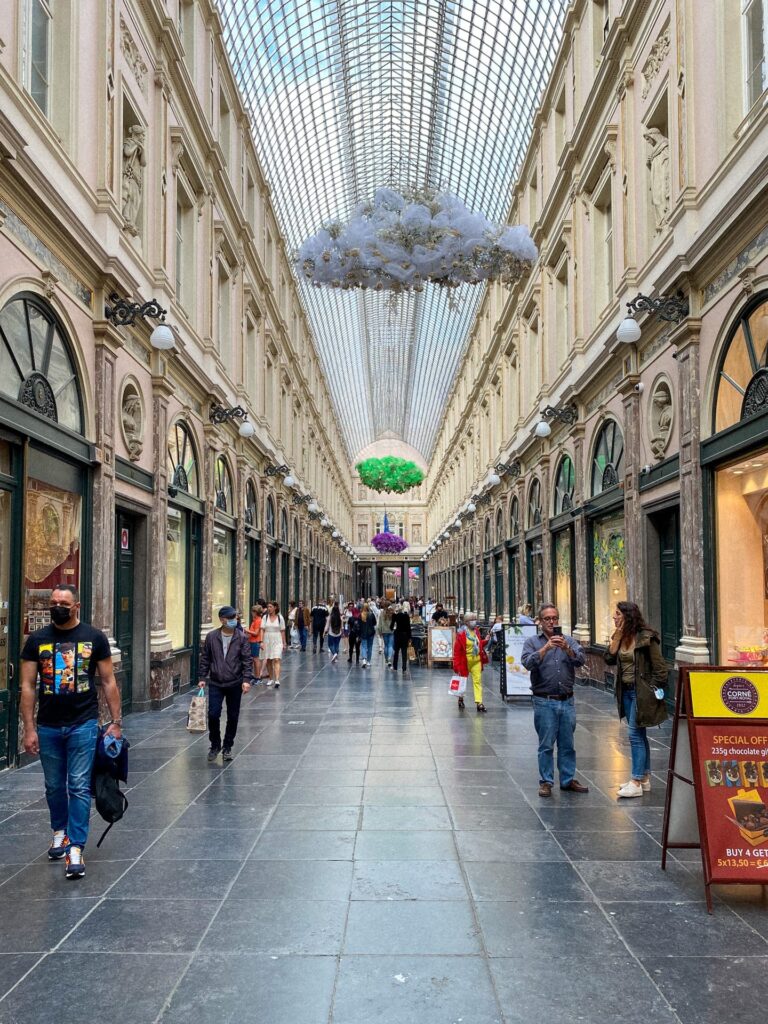
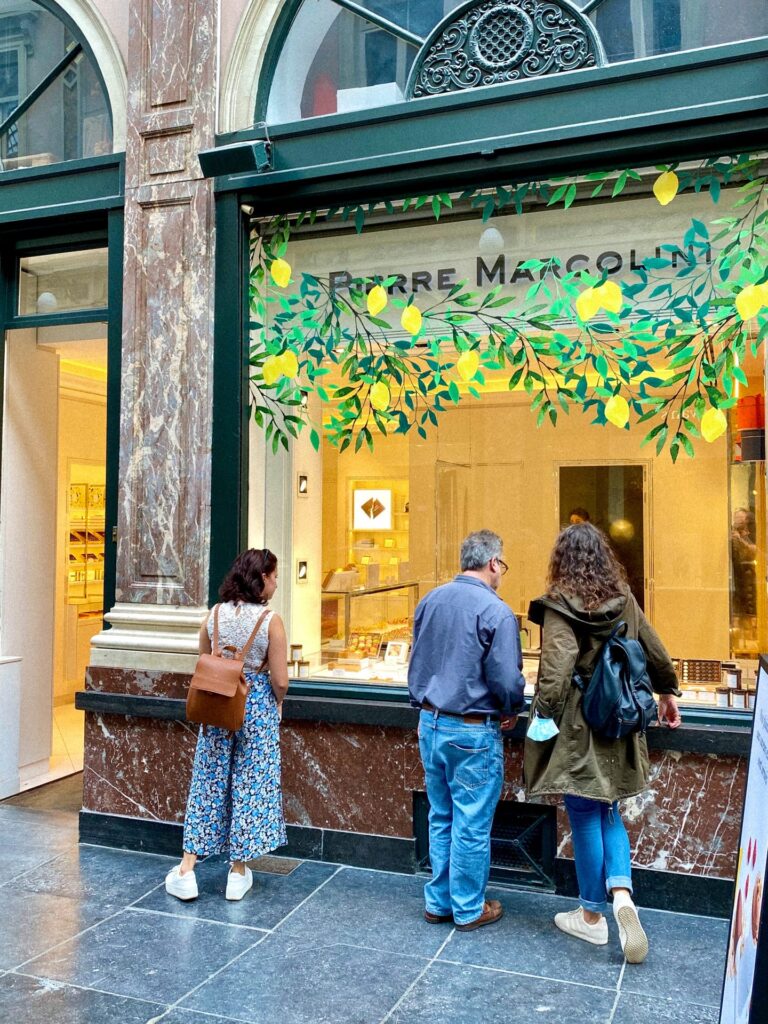
When you are ready for something more elegant, head into the Royal Gallery of Saint Hubert. This 19th-century covered arcade, one of the oldest in Europe, opened in 1847, is one of the nicest places in Brussels to slow down. The glass roof, long perspective and polished shopfronts make it feel grand without being intimidating, and it is lined with chocolatiers, coffee shops, jewellers and a long-running theatre that still operates today.
It is also one of the easiest places to understand how food and city wandering naturally overlap in Brussels. You are never far from pralines, pastries or something that looks too good to walk past. If your ideal trip includes a little aimless browsing between landmarks, this is exactly the kind of stop that makes the city work so well.
Comic strip walls
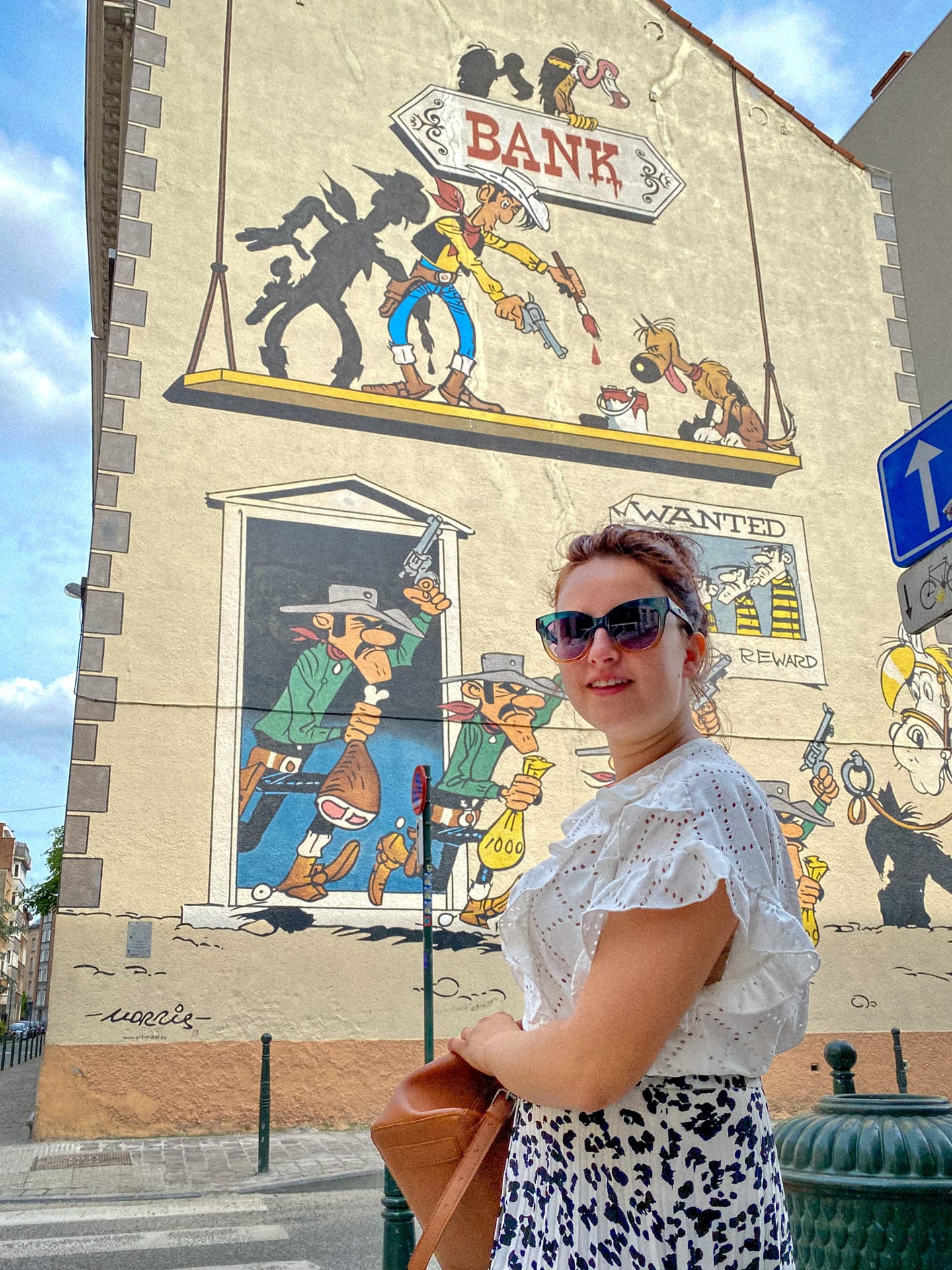
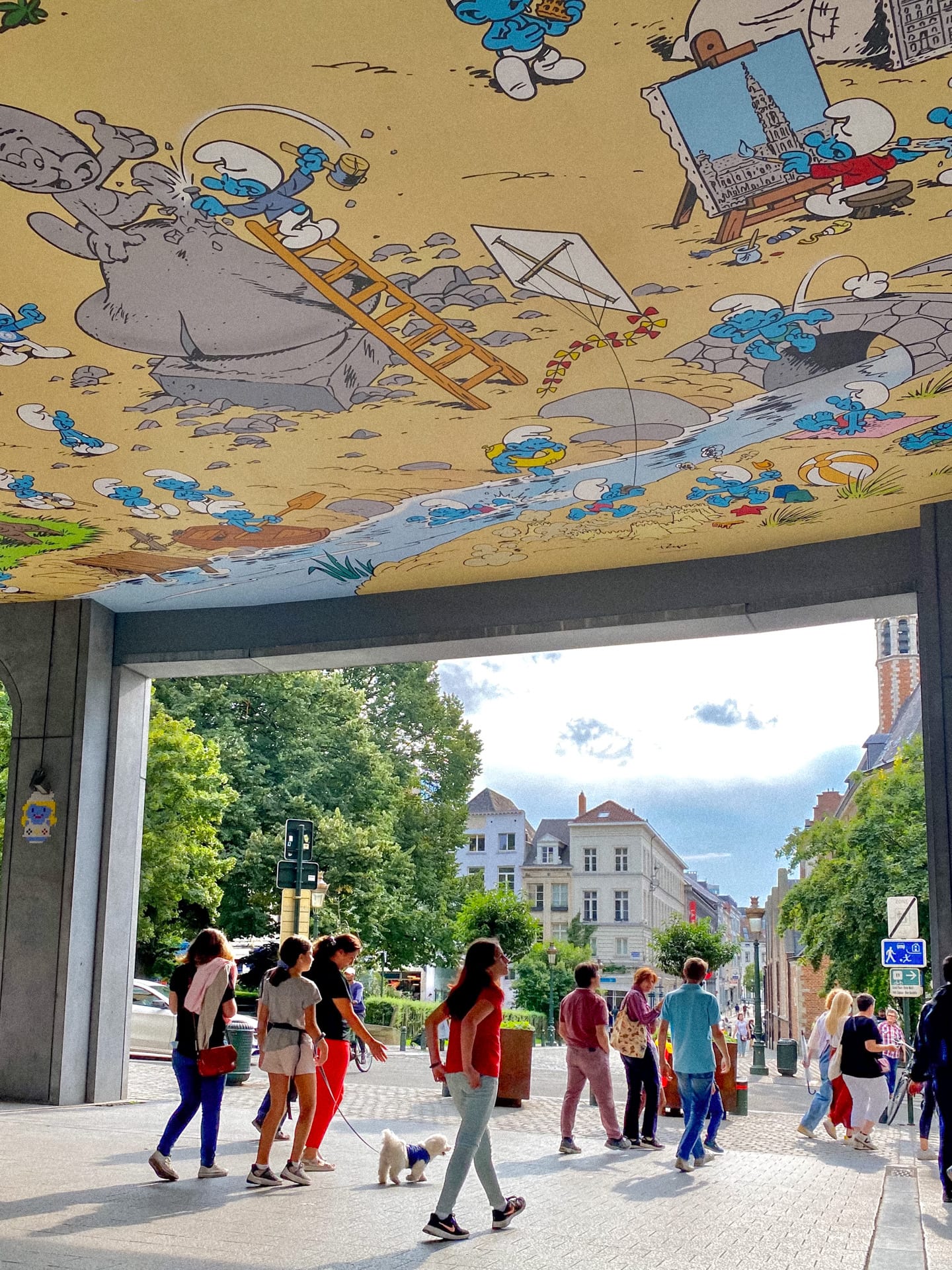
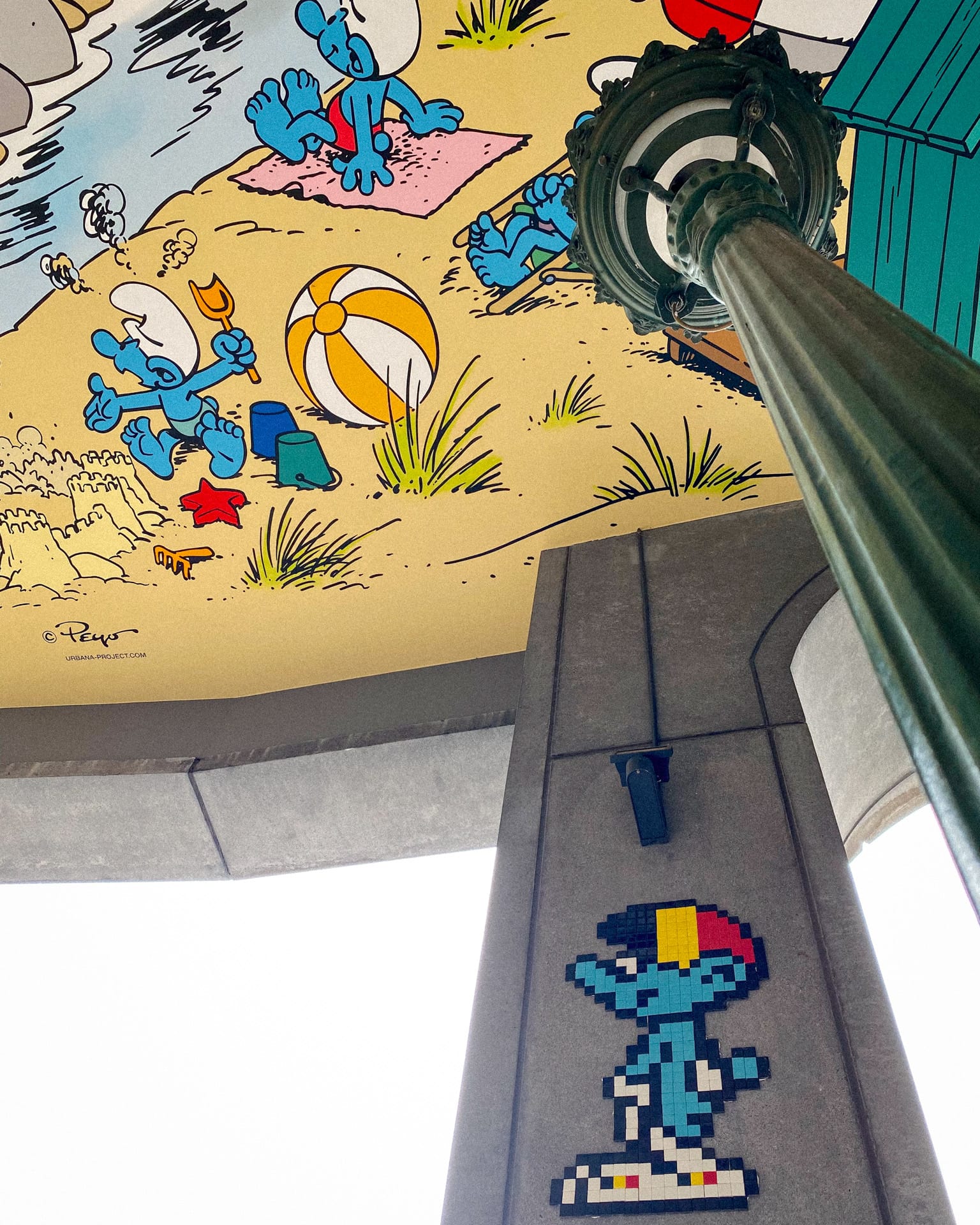
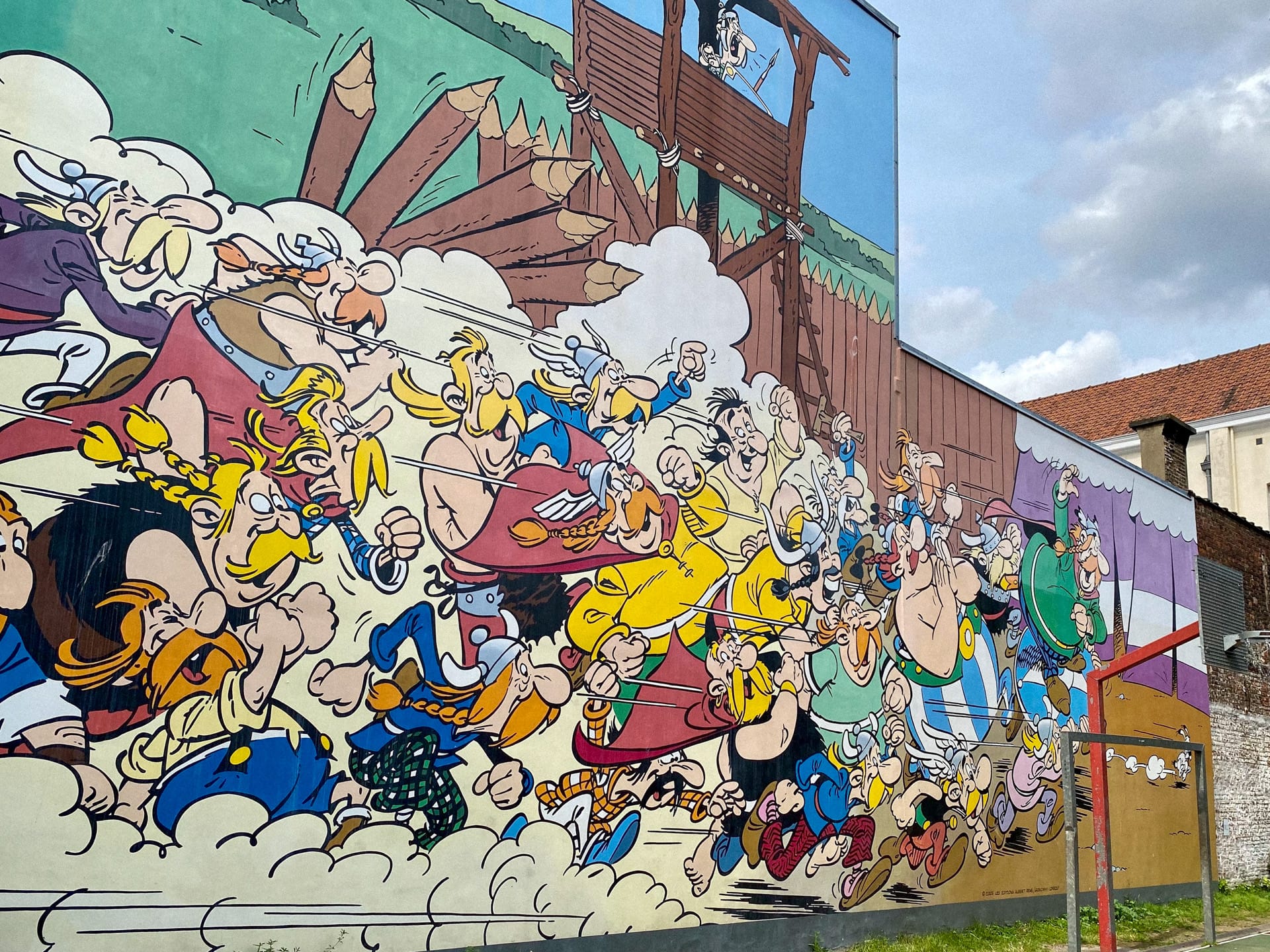
Brussels does not just acknowledge its comic-book heritage in a museum and move on. It puts it on the walls. The city’s comic strip murals are one of the most enjoyable ways to give your sightseeing some extra personality, especially if you like urban details that make a place feel distinctive rather than interchangeable.
You can follow the official comic strip route (around 50 murals are mapped across the city) or simply wander and let them surprise you. Tintin is the name people recognise most readily, but the wider Brussels comic culture goes much deeper than one character. Even if you are not especially into comics, the murals add colour and humour to the city in a way that feels earned rather than gimmicky.
Looking for things to do in Brussels?
Le Sablon: the city’s chocolate and antiques quarter
Most visitors head straight for the chocolatiers in the touristy lanes around Grand Place. Leonidas and Neuhaus are the names most visitors encounter first. That is not a mistake, but if you want to see a more local and genuinely upscale side of Brussels chocolate culture, the Sablon quarter is where to go.
Place du Grand Sablon and the streets around it are home to some of the finest chocolatiers in the country. Wittamer has been here since 1910. Pierre Marcolini is one of the most respected names in Belgian chocolate. You will also find independent antiques dealers, wine bars, and a weekend market that fills the square on Saturday and Sunday mornings.
Even if you are not buying, wandering through Sablon gives you a sense of Brussels that the historic tourist trail does not quite capture: a neighbourhood with real character, confident in its own identity.
Atomium
If you have time for one bigger stop outside the centre, the Atomium earns it. Built for the 1958 World’s Fair (Expo 58) and designed by engineer André Waterkeyn, it represents an iron crystal magnified 165 billion times and stands 102 metres tall. Where Grand Place is all gold detail and guild-house drama, the Atomium is unapologetically mid-century and futuristic in the best possible way.
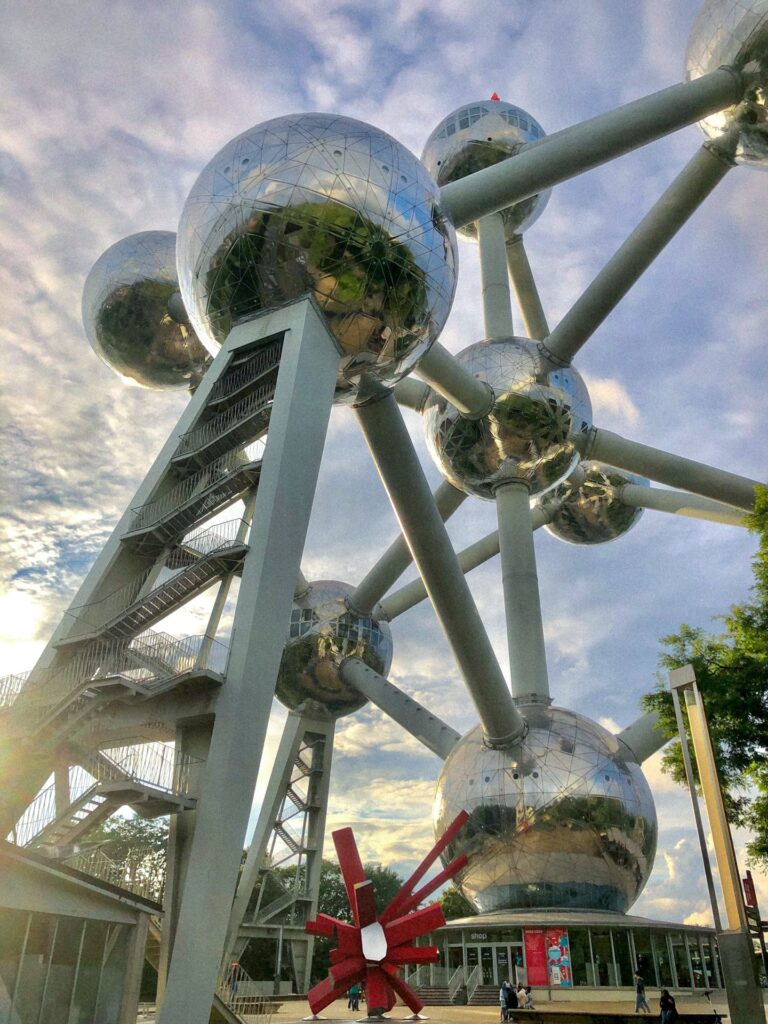
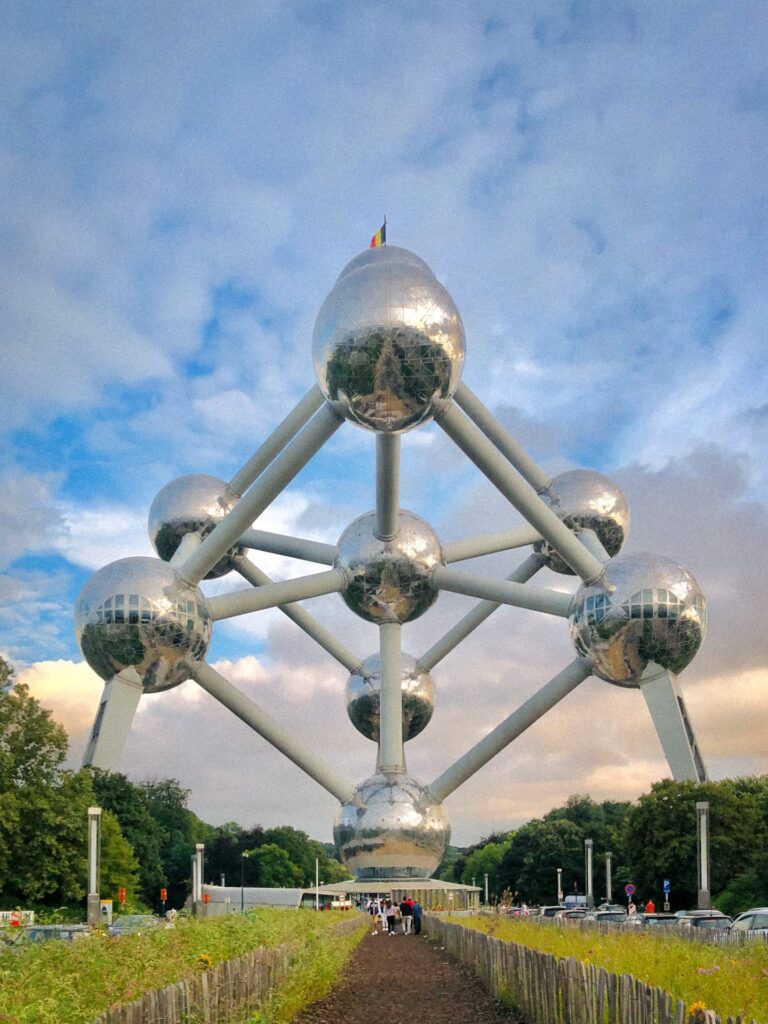
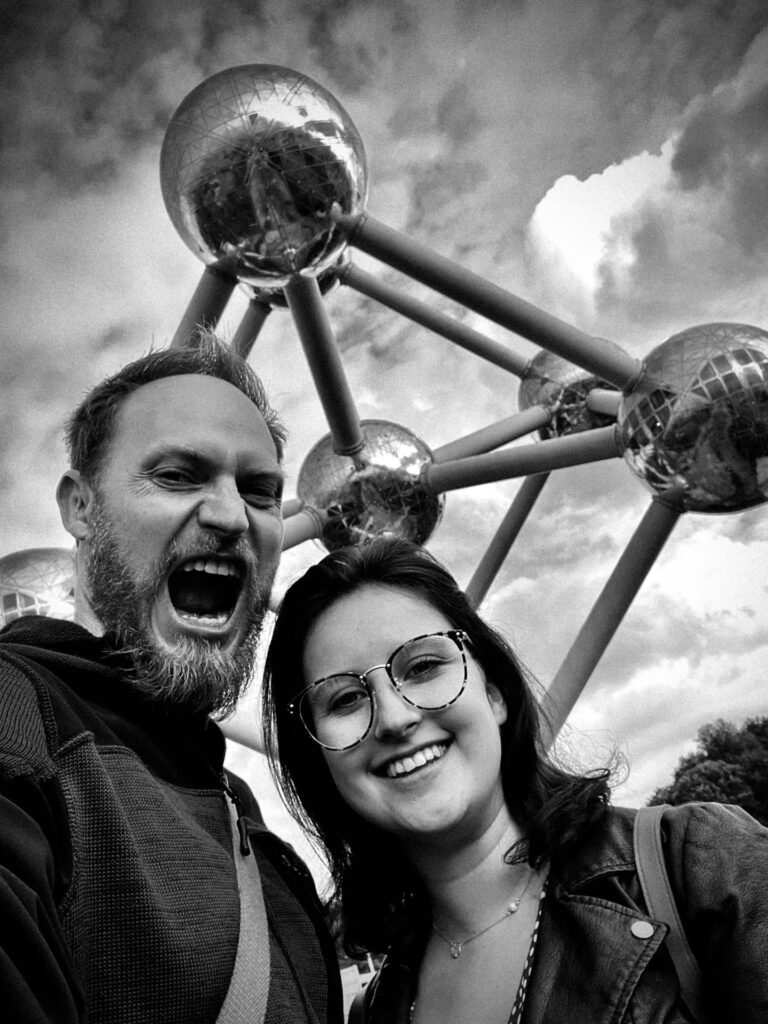
It is far enough out of the centre that it works better as a planned outing than a spontaneous detour, but the upside is that it adds real contrast to your Brussels itinerary. Go up and you get panoramic views across the city. The busiest period is typically late morning to mid-afternoon, so early visits or later in the day tend to be the smarter move. Always worth checking the official site for current opening hours or booking online before you go.
What to eat (and drink) in Brussels
Waffles — and knowing which one to order
You cannot talk about Brussels without talking about waffles, and the first thing to know is that not all Belgian waffles are the same. In fact, there is no such thing as Belgian waffles. There are two main types, and both are worth trying.
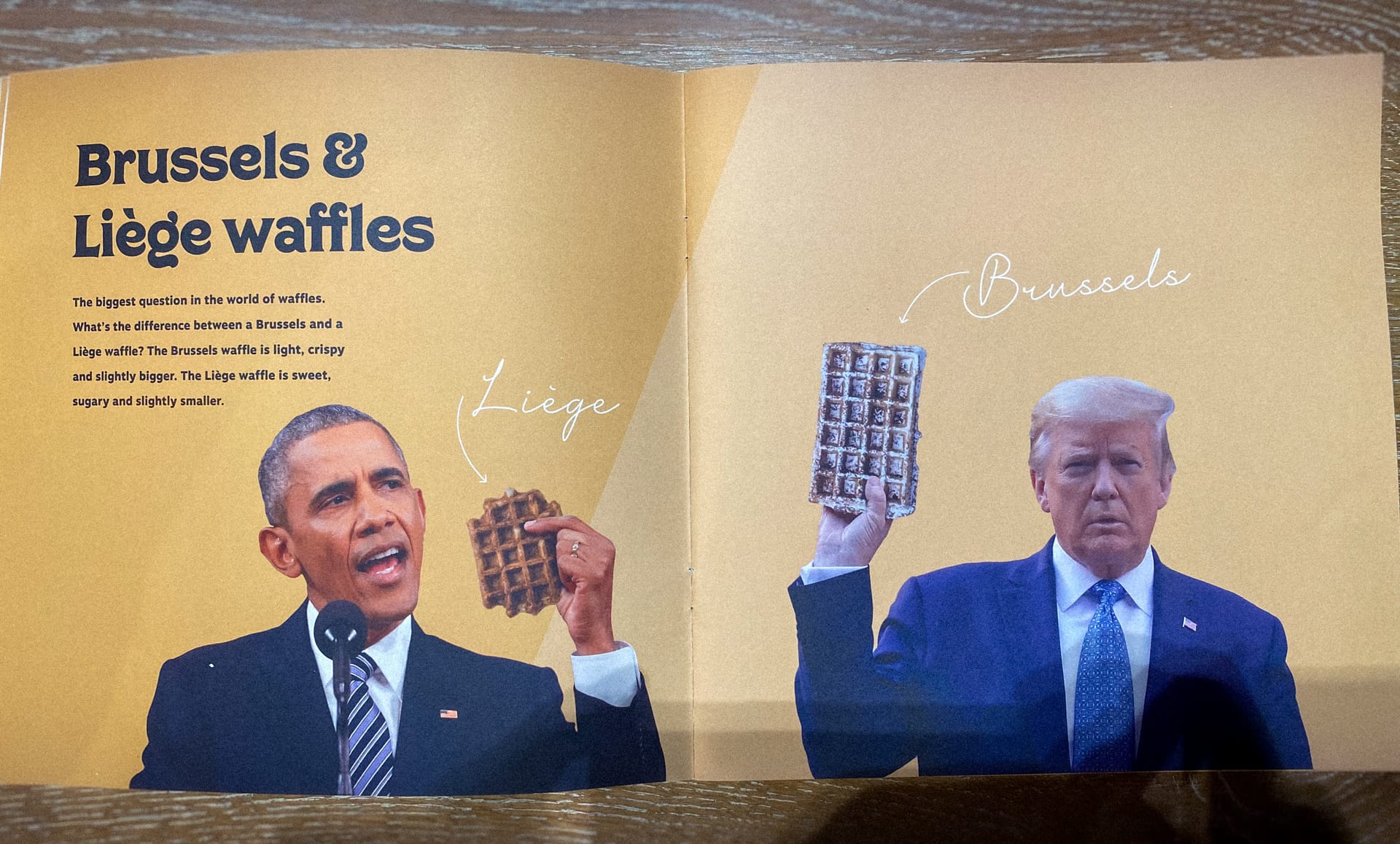
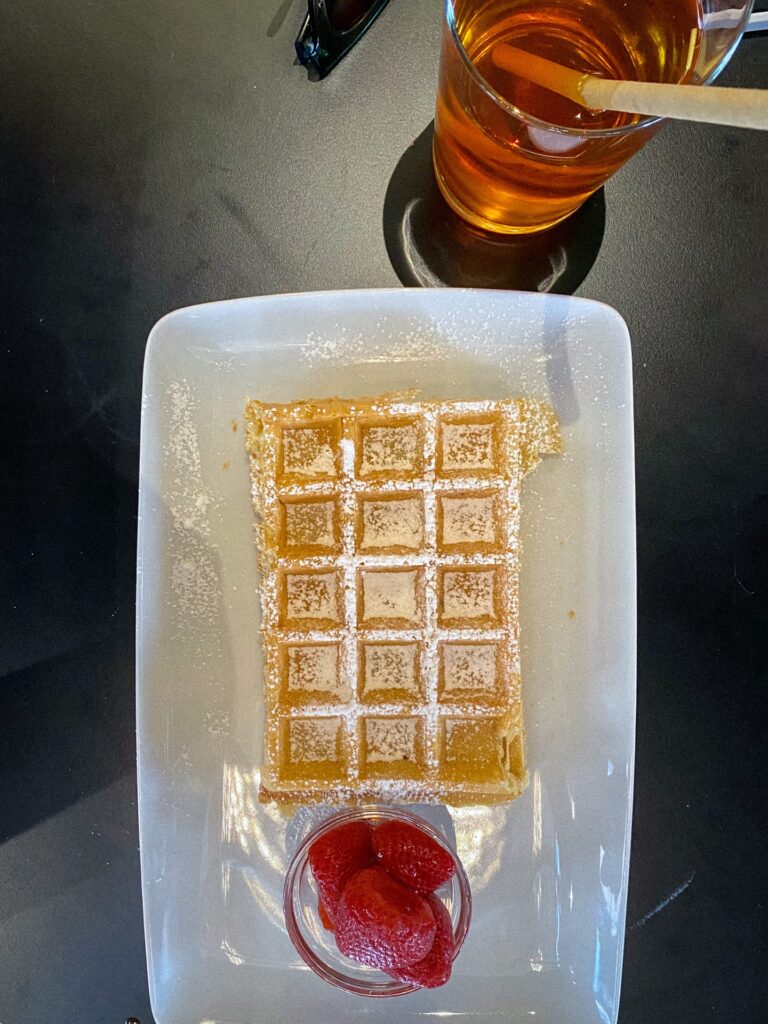
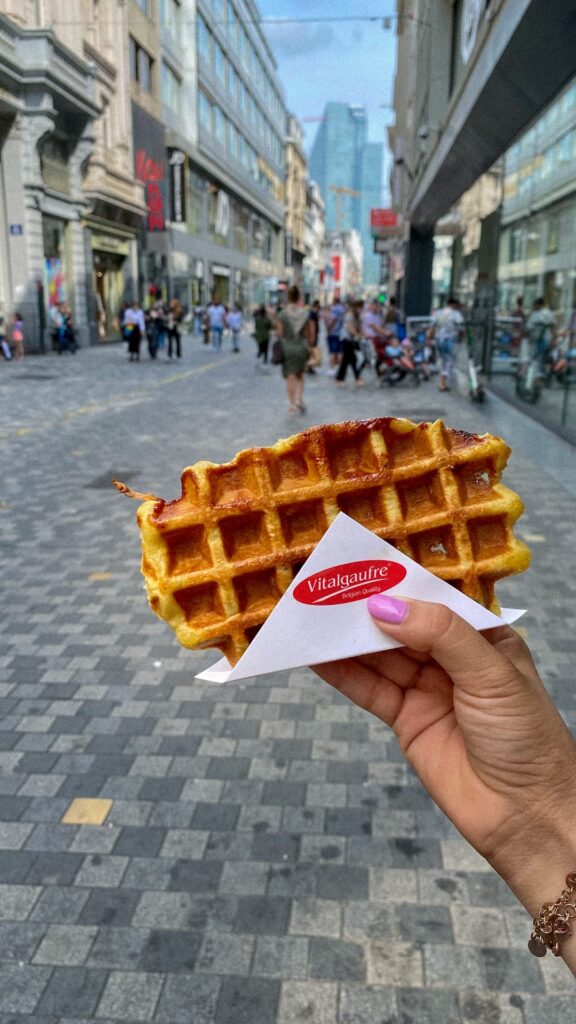
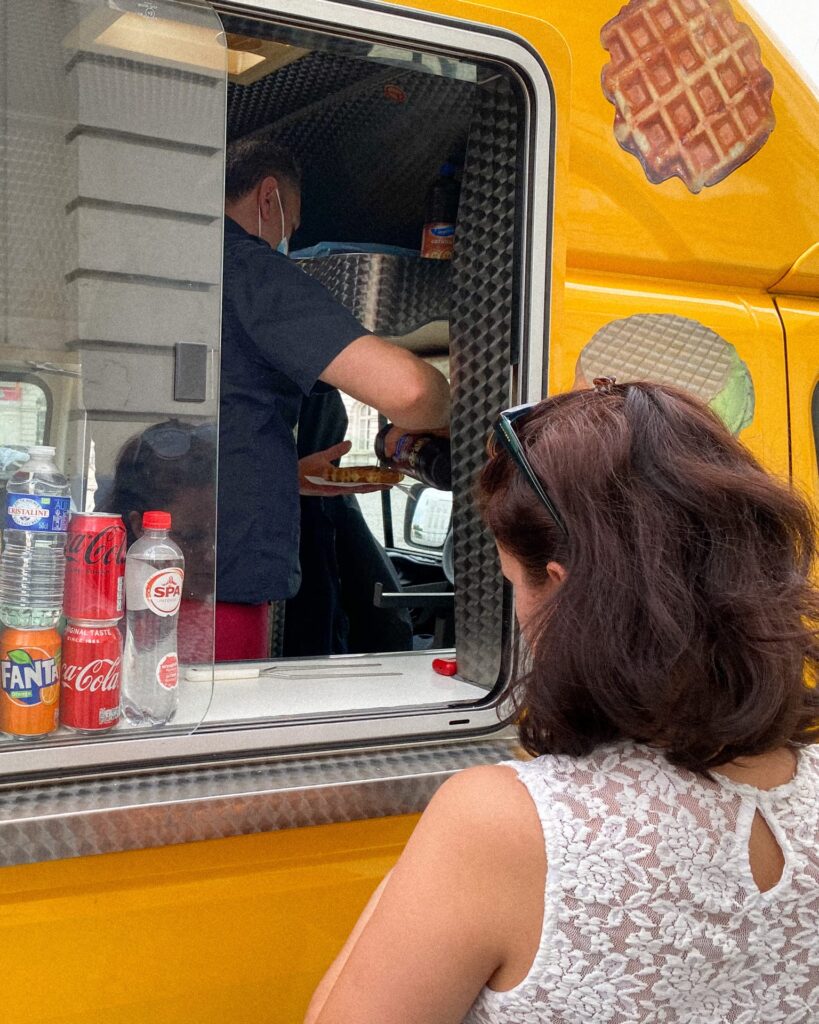
The Brussels waffle (the one you see at tourist stands throughout the centre) is rectangular, lighter and crispier, traditionally eaten warm with toppings, fruit, cream, melted chocolate, the full holiday version. The Liège waffle is a different experience entirely: denser, rounder, made with a brioche-style dough and pearl sugar that caramelises on the outside. It is often eaten plain, straight from the iron, and it is extraordinary. Both are available across the city.
If you want the full tourist experience with toppings, go for the Brussels version. If you want to understand why Belgians eat waffles as an everyday street snack without apology, try a Liège waffle warm from a street stand with nothing on it. You have been warned on both counts.
Frites — not a side dish
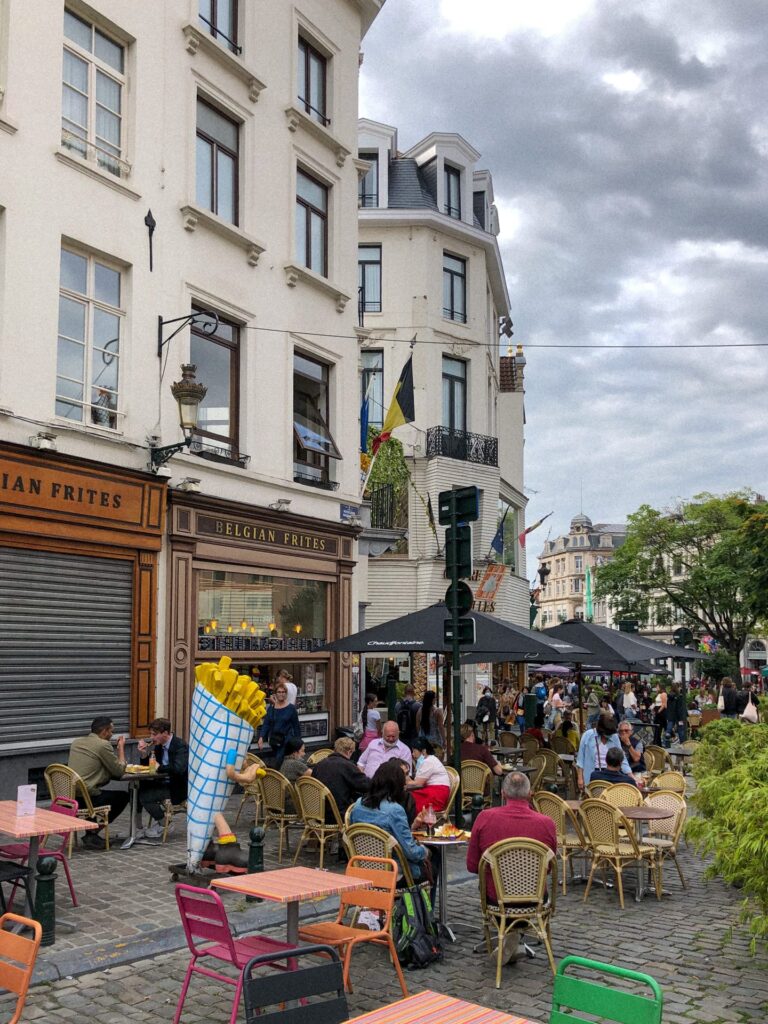
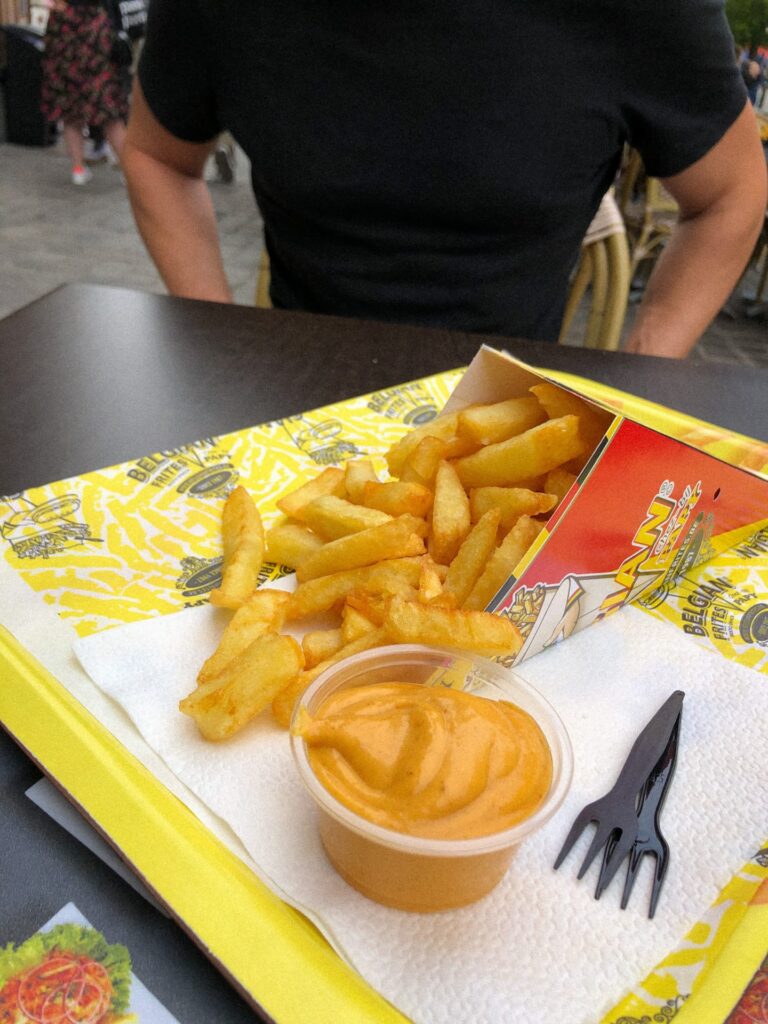
Belgian frites deserve their own stop, not just a cone squeezed alongside something else. This is one of those foods that sounds simple until you eat it properly in the country that cares most about it: twice-fried, properly seasoned, served with a choice of sauces that goes well beyond ketchup. Andalouse, samurai, pickles sauce. It is worth trying something you would not default to at home.
For an easy, low-effort lunch between sights, a cone of frites is one of the best-value options in the city. Do not rush it.
Chocolate — go beyond the obvious names
Belgian chocolate is not exactly a niche discovery, but Brussels makes it dangerously easy to keep buying. Even if you walk into a shop intending only to look, the smell from the display cases tends to have other ideas.
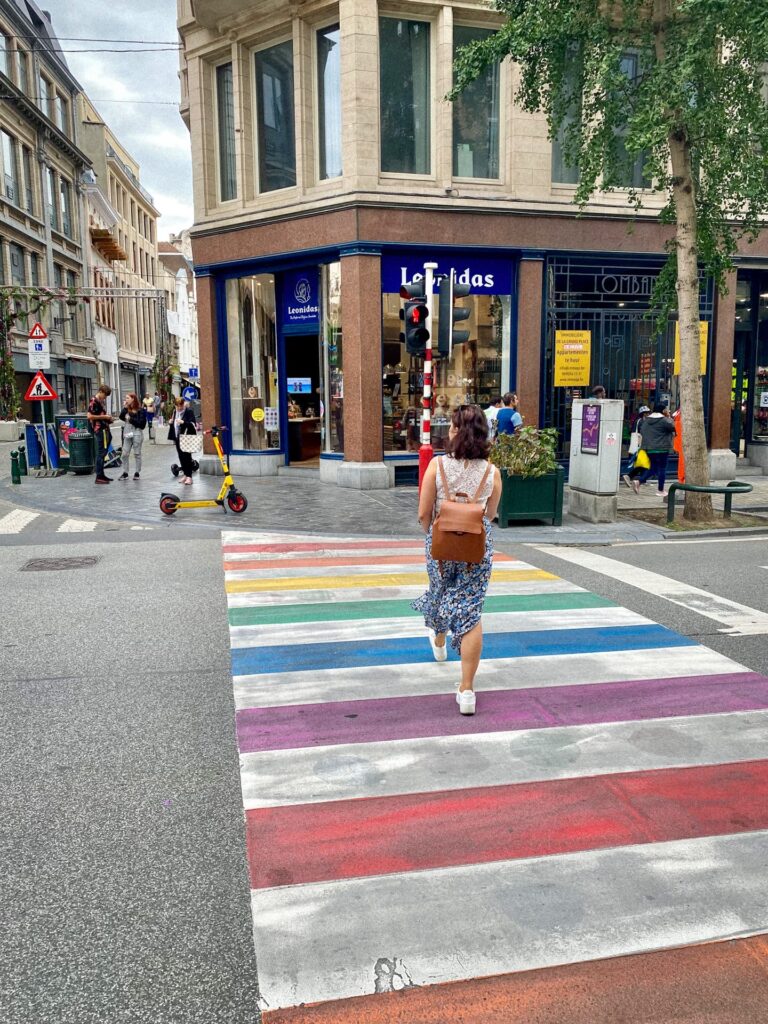
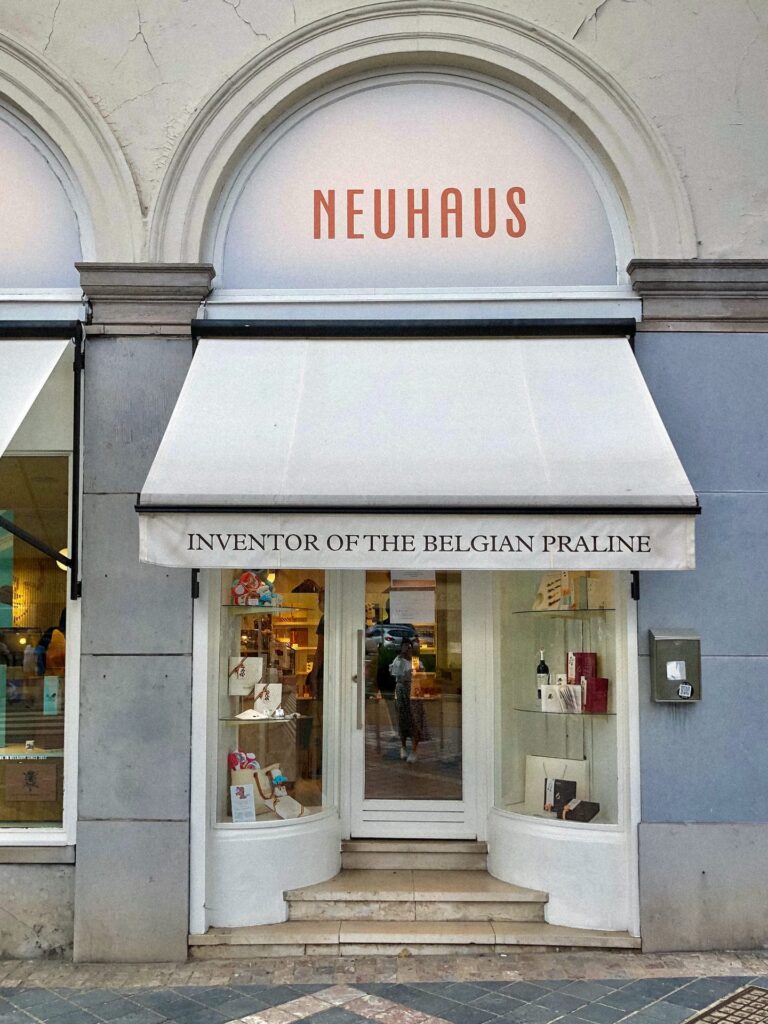
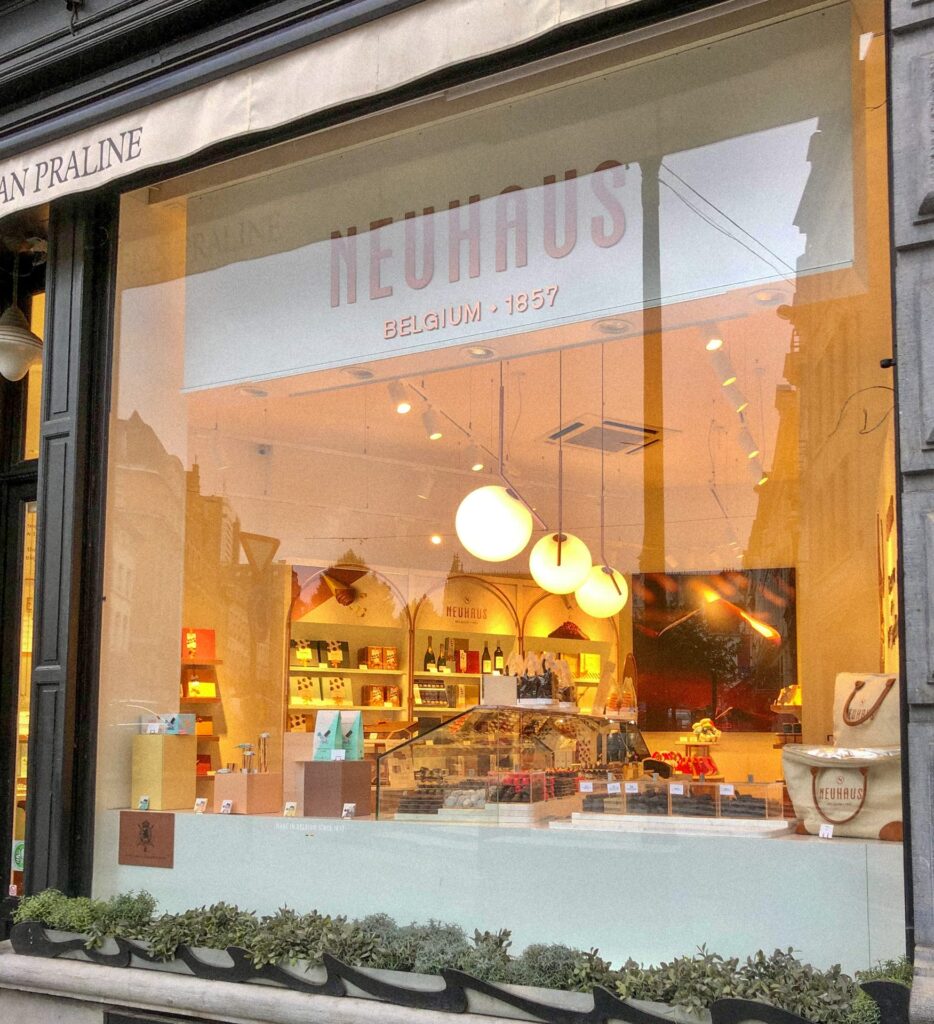
Leonidas and Neuhaus are the names most visitors encounter first, and they are both reliable options for pralines and to take something home. Neuhaus is the inventor of the praline after all. But if you want genuinely exceptional Belgian chocolate, the Sablon quarter is where to spend your time. Wittamer, Pierre Marcolini and a handful of independent makers bring craft and quality that turns a box of pralines into a proper souvenir rather than an airport afterthought.
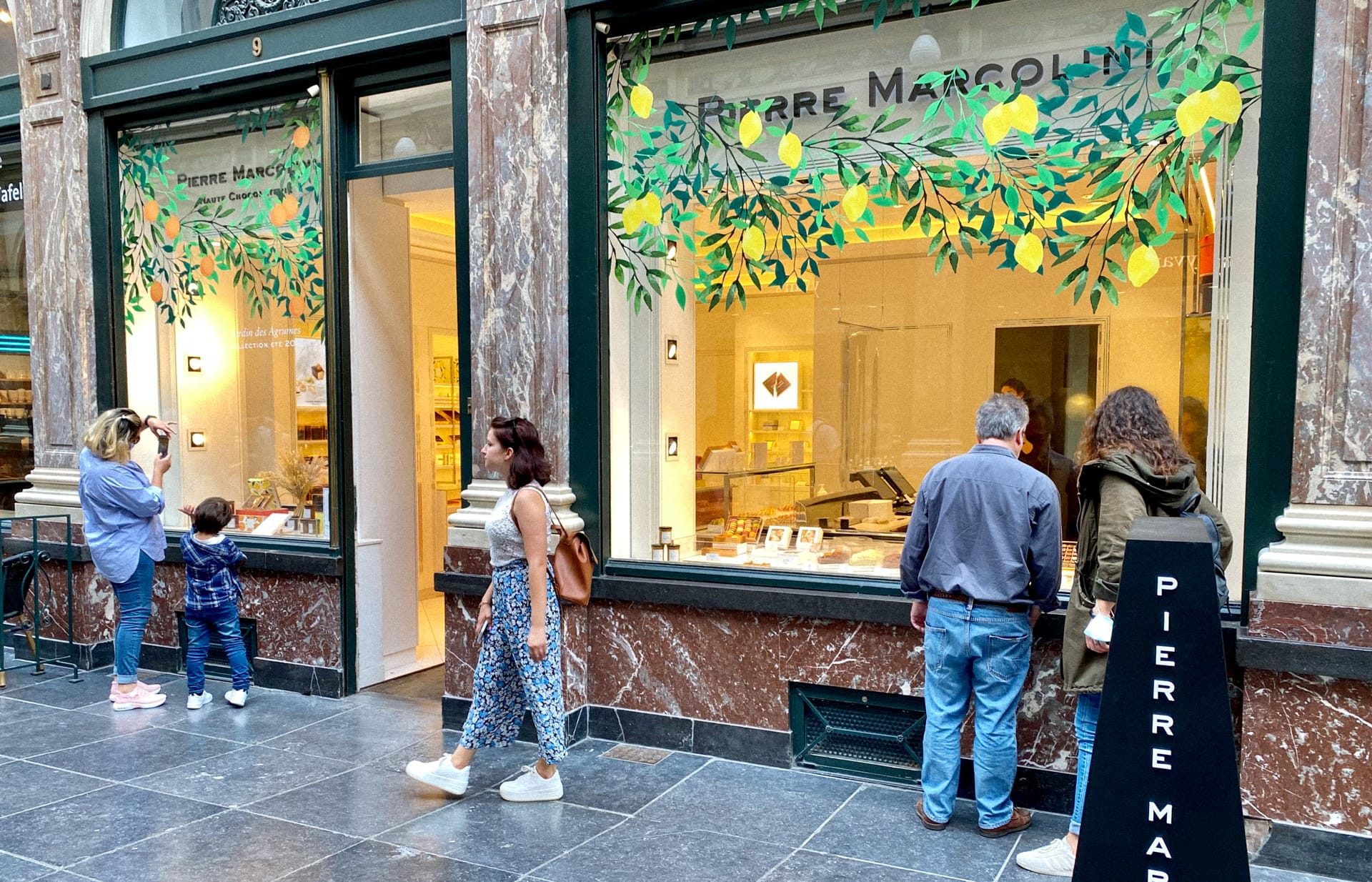
If you are building gifts into the trip, this is one of the few obvious tourist buys that still feels completely worthwhile.
Beer — and why the glass actually matters
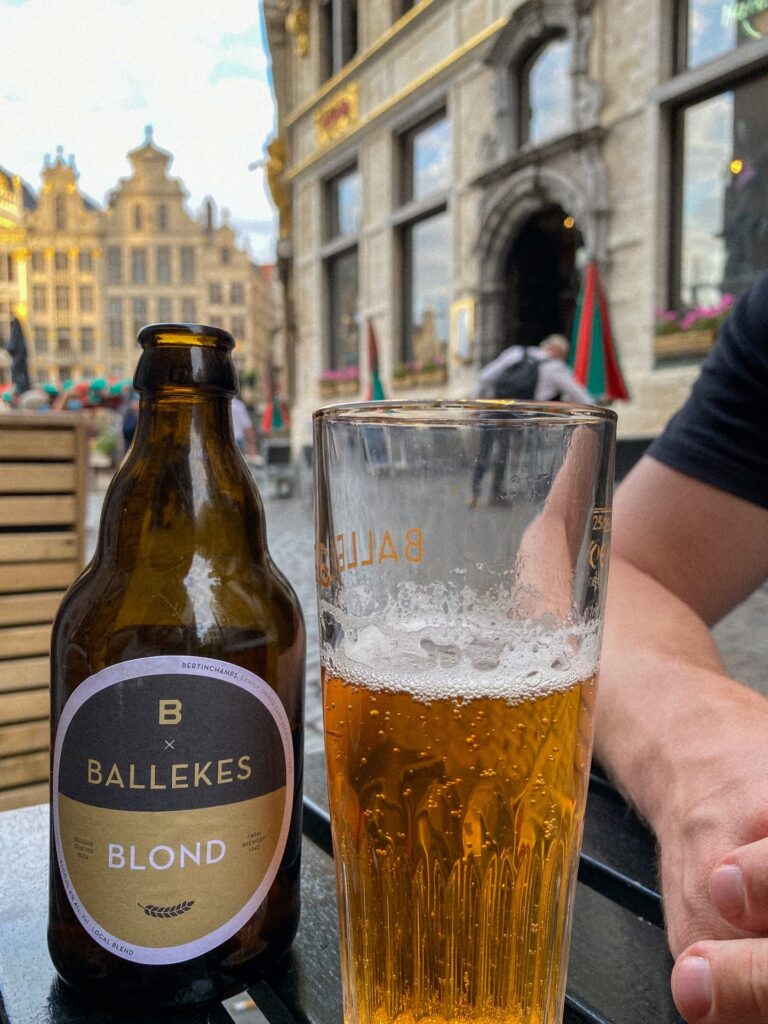
Belgian beer culture runs deep, and even a casual bar in Brussels will often have a more interesting list than you would expect from a regular European pub. What makes it particularly enjoyable is that the glassware is not decoration. Different beers are served in their own specific branded glasses because it genuinely affects how the beer tastes and smells. Asking for the right glass is part of the experience, not a detail for enthusiasts only.
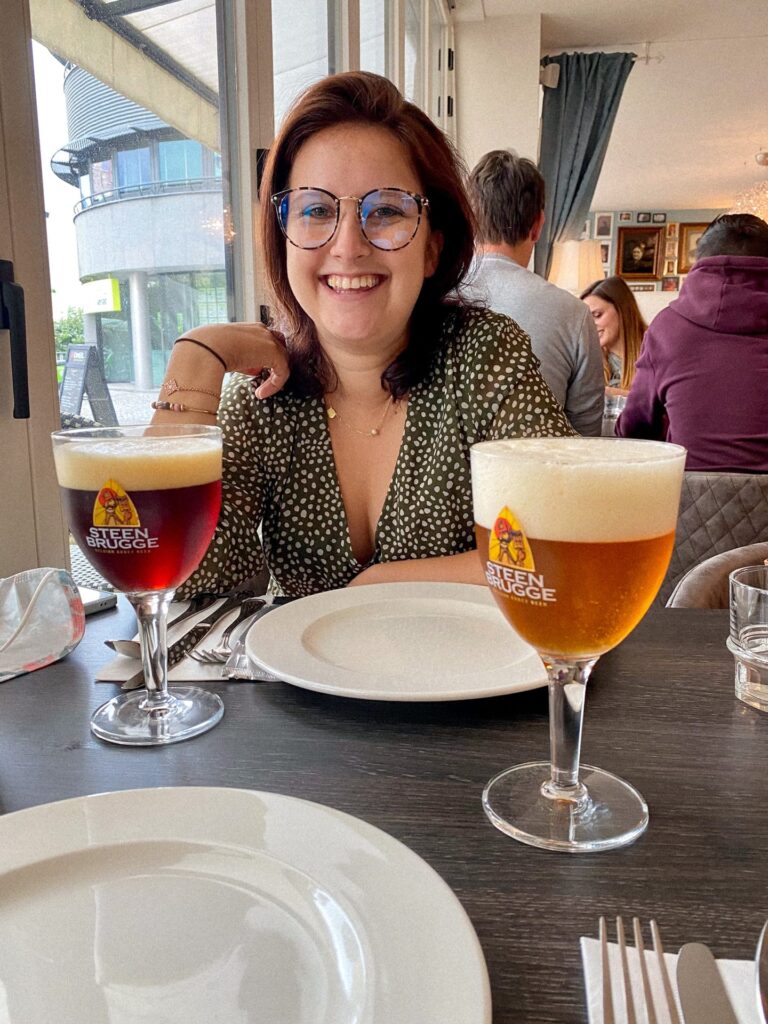
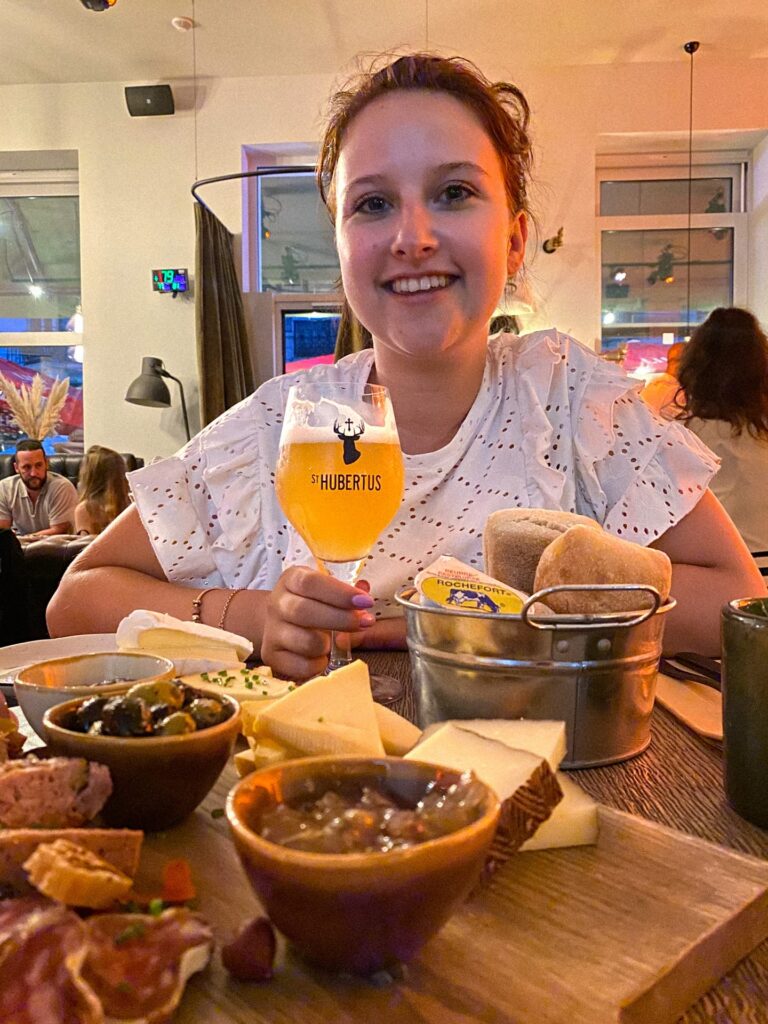
If you want to go deeper: Belgium is home to some of the world’s most revered Trappist breweries (monasteries where monks brew beer, adhering to strict standards) Chimay, Rochefort, Orval, among others, and Brussels also has Cantillon, a working lambic brewery in the Anderlecht neighbourhood that produces famously Tart, funky Gueuze and Kriek. You do not have to become a beer geek to enjoy it, but it does add a layer of context that makes a simple bar stop feel like more than just a drink.
For a more eclectic option, Delirium Village near Grand Place holds a Guinness World Record for the number of beers available. Great for a buzzy evening; less great if you want a quiet taste.
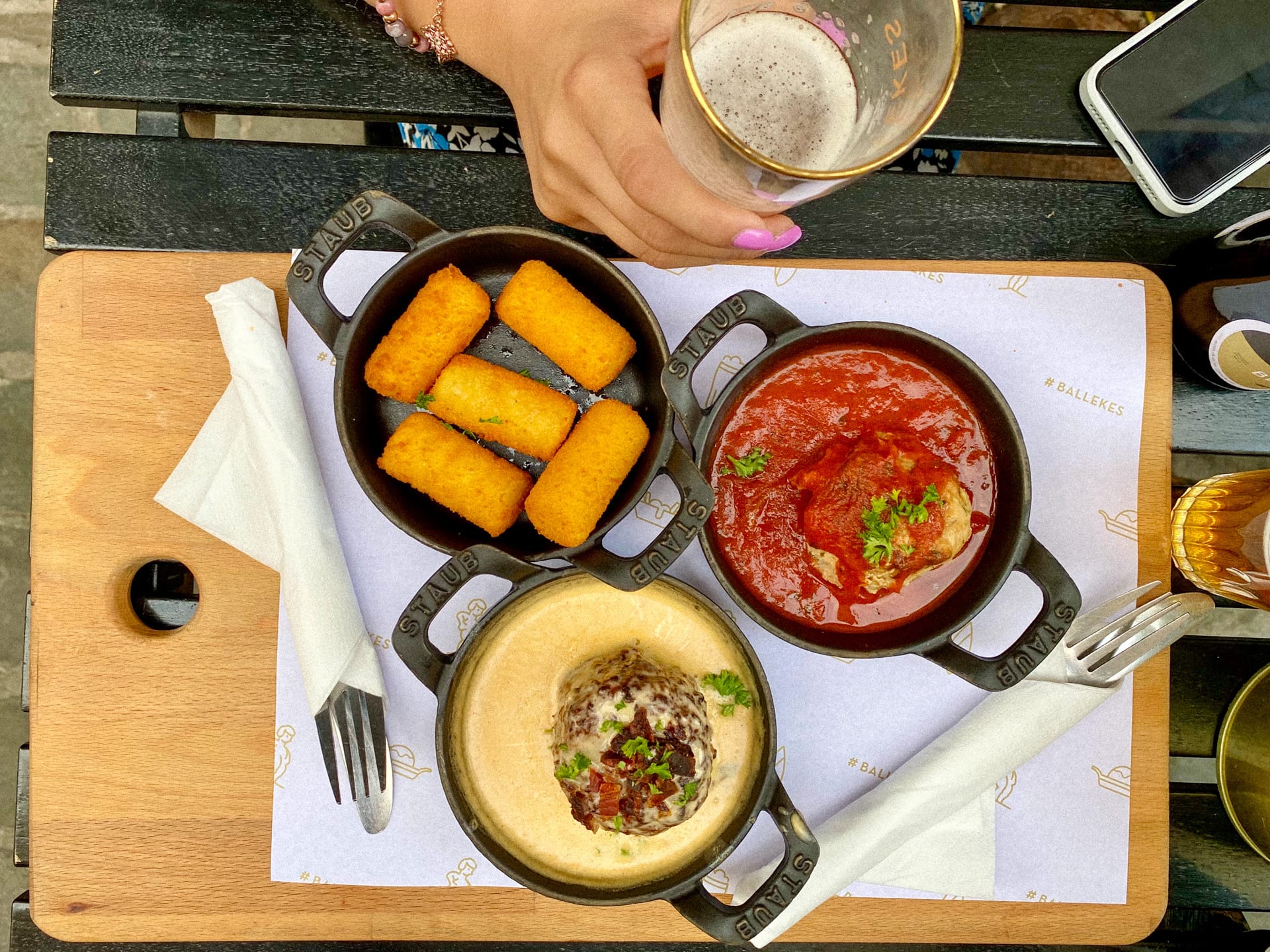
For a meal with a classic Belgian pairing, Ballekes remains an easy choice for traditional meatballs with a Belgian beer match in a setting that feels more local than tourist.
Moules-frites and a note on expectations
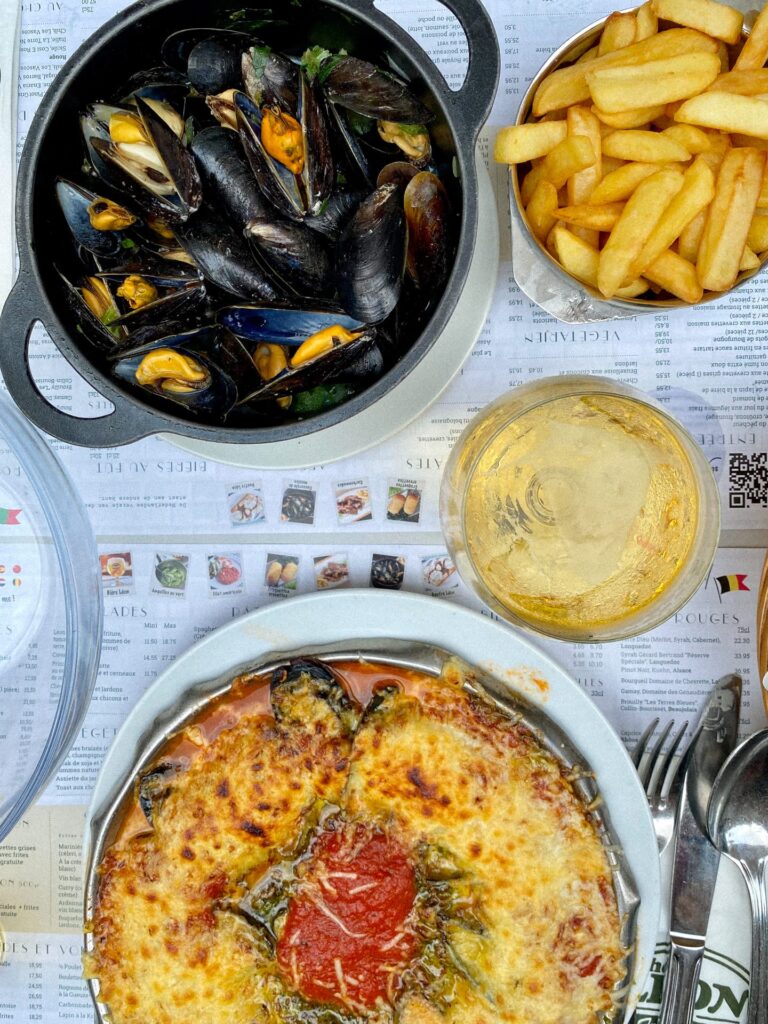
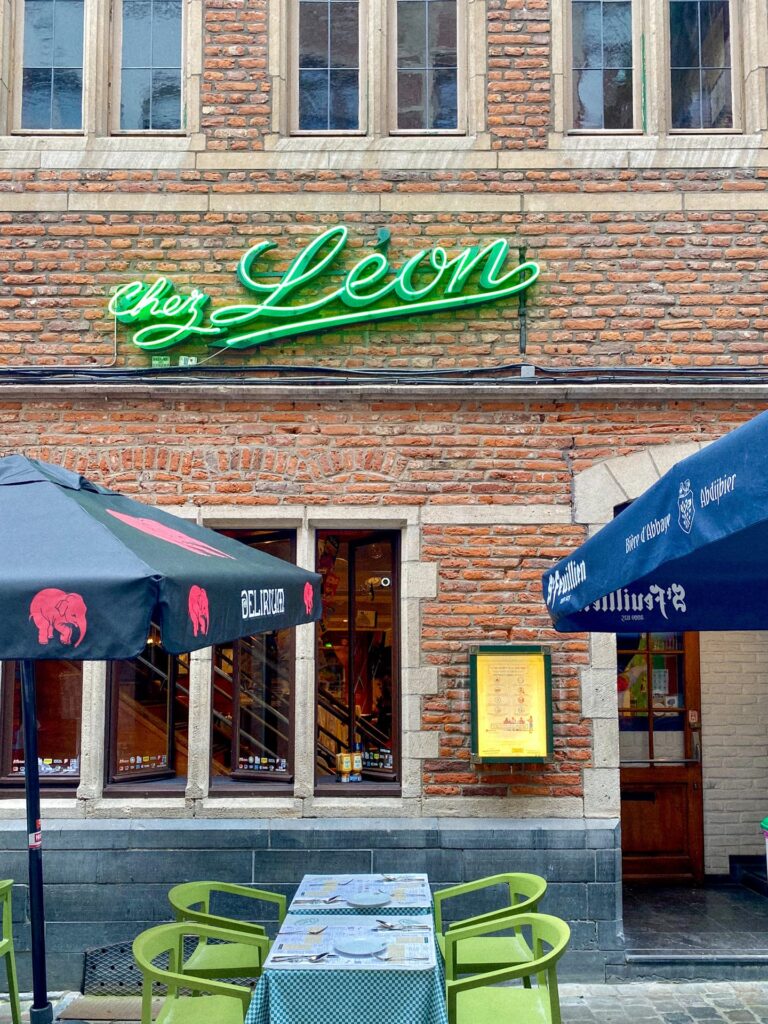
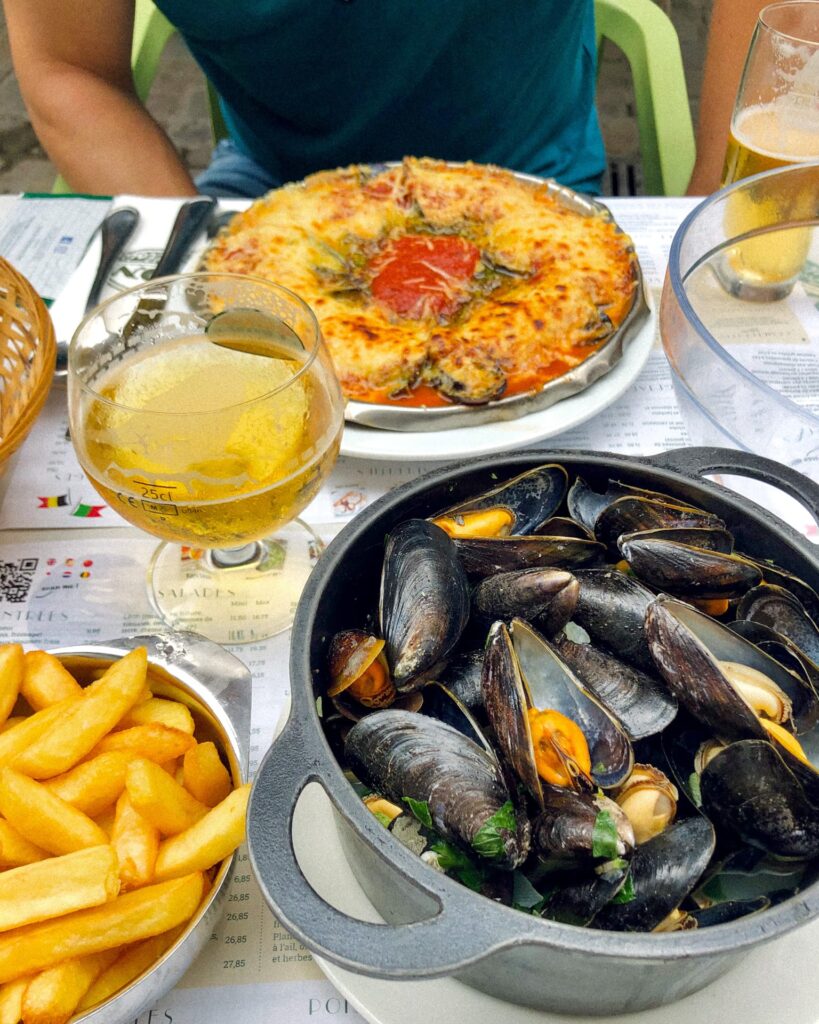
Mussels cooked in a generously seasoned broth, served alongside a pile of frites. Moules-frites is one of the classic Brussels dishes, and it deserves a spot in your weekend. Chez Léon, near Grand Place, is the long-running central name most first-time visitors come across, and it is still operating daily. It is touristy, but reliably so: the portions are large, the format is straightforward and it fits neatly into a first visit without much planning.
If you are serious seafood people, this may not be the transcendent mussel experience of your life. But as a traditional Brussels meal in the right setting, it earns its place. Manage expectations and treat it as part of the city-break experience rather than the definitive word on Belgian seafood.
Speculoos — the biscuit worth bringing home
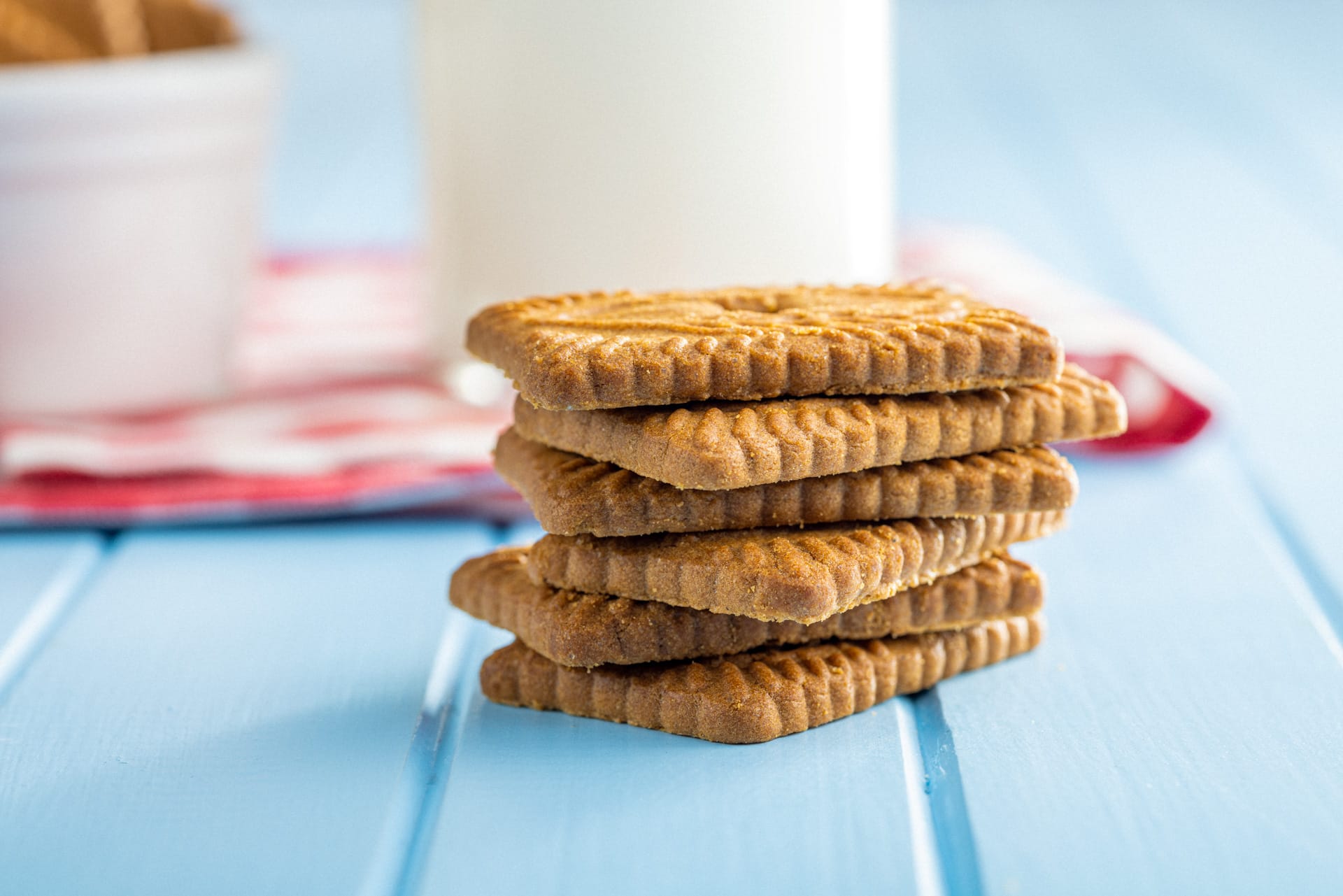
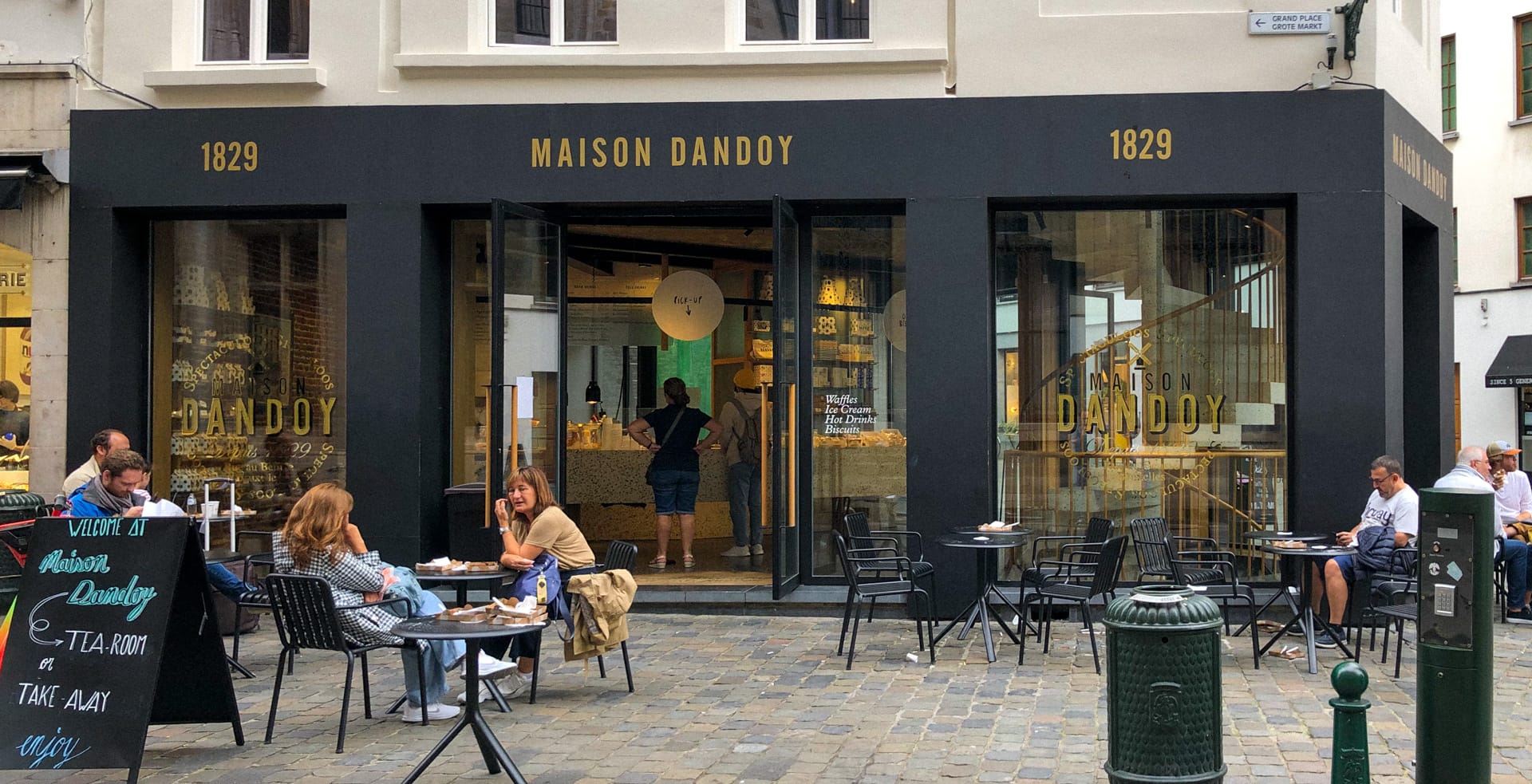
A small but lovely detail: speculoos, the thin, caramelised, spiced biscuit you will find in cafés and shops across the city, like Maison Dandoy, is genuinely Belgian. It is what sits alongside your coffee in most traditional cafés, and it is the original behind the spread that became internationally famous under the Lotus brand name. Picking up a packet to take home is one of those deeply unglamorous but completely satisfying souvenir decisions.
How to spend 3 days in Brussels
Day 1: Historic centre and food stops
Start with Grand Place first thing in the morning before the crowds build. From there, walk to Manneken Pis and the surrounding old streets, duck into the Royal Gallery of Saint Hubert, stop for chocolate and build in at least one waffle break. Try to get both a Brussels and a Liège version across the day. In the afternoon, head towards the Sablon for a look at the chocolatiers and the square. This is also an easy day to end with a Belgian beer or two, since everything stays fairly central.
Day 2: Atomium and slower wandering
Use your second day for the Atomium in the morning, then give yourself a looser afternoon. You can head back into the centre, explore the comic strip murals at your own pace, find a good café or simply wander. This is where Brussels works best, not when every hour is scheduled, but when the city has enough room to breathe. Good day to try moules-frites for lunch or dinner.
Day 3: Day trip to Antwerp
Antwerp is under an hour away by train, which makes it one of the easiest and most rewarding day trips. It is different enough to feel like a genuine bonus city. A little more polished, a little more fashion-forward, with its own distinct energy. But manageable enough to do without stress.
Day trip to Antwerp from Brussels
Antwerp works beautifully as a day trip because it starts strong and stays easy. The train from Brussels-Midi (or Brussels-Central) to Antwerpen-Centraal takes around 40 to 45 minutes on a direct IC service. And arriving at Antwerpen-Centraal is an experience in itself. The station is a neoclassical-baroque landmark built in 1905, all vaulted ceilings and ironwork, and stepping off the train feels immediately like an event.
From there, several of the city’s best-known stops are close enough to build into a relaxed first visit.
Antwerpen-Centraal: start as you mean to go on
Spend five minutes just standing in the station before you head anywhere. Locals call it the “railway cathedral,” and once you see the scale of it, it is not hard to understand why. Four levels of platforms stacked beneath those arched ceilings. It is also a useful practical anchor for the day: most of what you want to see is within comfortable walking distance or a short tram ride.
Nello and Patrasche
The statue of Nello and Patrasche near the Cathedral of Our Lady is a small stop, but a quietly moving one. Even if you do not already know A Dog of Flanders, the 19th-century novel by Marie Louise de la Ramée about a young Belgian boy and his dog, the sculpture lands as one of those unexpected city details that makes you pause longer than expected. The story is less well-known in Europe than it is in Japan, where it became a beloved animated series and the statue has become something of a pilgrimage point for Japanese visitors.
It works well as a natural route marker through the historic core, especially if you are combining cathedral views with a wander through the old centre.
Looking for things to do in Antwerp?
Chocolate Nation
If you want one attraction in Antwerp that fully commits to Belgium’s sweet side, Chocolate Nation is the clear pick. It describes itself as the largest Belgian chocolate museum in the world and sits right next to the main station, which makes it very easy to add without disrupting the day’s flow. The experience is interactive and food-driven rather than traditionally museum-like. You will taste as much as you read.
It also creates a satisfying through-line with the Brussels weekend. Belgian chocolate is already a centrepiece of the city-break experience, and this gives you a more immersive, story-driven version of the same theme.
The diamond district
Antwerp has been one of the world’s leading diamond trading centres for centuries, and the diamond district sits just a short walk from the main station. You do not need to be a gem expert to find it interesting, it is more about understanding how a city builds an entire identity and global reputation around one very specific trade. The streets feel different: quieter, purposeful, with a particular energy that is hard to place until you understand what is happening behind those discreet shopfronts.
If you want to go deeper, DIVA is the museum to know about. It covers the city’s history in diamonds, silver and fashion in a way that is genuinely well-designed. But even a simple walk through the area adds another layer to Antwerp beyond the obvious old-town sights.
Where to eat in Antwerp
For something sweet, House of Waffles is an easy option to keep in mind near the centre. For a more substantial meal, De Bomma is a strong recommendation if you want hearty Flemish food in a cosy, characterful setting that feels properly local rather than tourist-facing. The name means “grandmother” in Flemish, and the menu follows through on that idea: slow-cooked stews, rabbit, Flemish beef, the kind of food that makes you want to order a Belgian beer and stay longer than planned. If you only have one proper meal in Antwerp, this is the kind of place that makes the whole day feel rounded.
Final thoughts
Brussels is one of those cities that makes a very strong case for the long-weekend format. It is compact enough to feel manageable, but varied enough that you never spend the trip wondering what to do next. Between Grand Place, the Sablon chocolate quarter, comic-book walls, waffles (both kinds), frites, Belgian beer and one very easy Antwerp train ride, you have more than enough for three satisfying days without ever feeling like you are rushing.
If your ideal city break mixes classic sights with serious comfort food and a bit of genuine personality, Brussels is an easy recommendation. The only real challenge is deciding whether your first stop is going to be a warm Liège waffle, a cone of frites with pili-pili sauce or a box of pralines.
FAQ: Visiting Brussels for a weekend
Is Brussels worth visiting for a weekend? Yes. Brussels is an excellent weekend city break if you want major sights, outstanding food and an easy-to-navigate centre. Two to three days is enough to see the highlights and eat very well.
How many days do you need in Brussels? Two days covers the main sights comfortably, but three days gives you a better pace and room for an easy Antwerp day trip without feeling rushed.
What is Brussels best known for? Brussels is best known for Grand Place (a UNESCO World Heritage Site), Manneken Pis, Belgian waffles (both the Brussels and Liège styles), frites, praline chocolate, Belgian beer culture, comic-strip heritage and the Atomium.
What is the difference between a Brussels waffle and a Liège waffle? Brussels waffles are rectangular, light and crisp, usually served warm with toppings like fruit or cream. Liège waffles are denser, rounder and made with a brioche dough containing pearl sugar that caramelises on the outside, they are often eaten plain as a street snack. Both are delicious. Both are worth trying.
Is Antwerp worth a day trip from Brussels? Absolutely. Antwerp is roughly 40 to 45 minutes by direct train, has one of Europe’s most beautiful railway stations, a walkable historic centre, Chocolate Nation, the diamond district and excellent Flemish food. It is one of the easiest and most rewarding day trips in Belgium.
Where is the best chocolate in Brussels? The Sablon quarter (around Place du Grand Sablon) is where you will find the finest chocolatiers, including Wittamer and Pierre Marcolini. For something more accessible and widely available, Leonidas and Neuhaus are solid choices throughout the centre.
Visited in 2021. Practical and restaurant details can change, it’s always worth checking opening times and current status before your trip. Enjoy step and every bite.