
If you’re planning a trip through Andalusia and wondering whether Córdoba deserves a stop, it does. This compact city packs in Roman history, Islamic architecture, flower-filled courtyards, atmospheric lanes and some of southern Spain’s most iconic food, all within a walkable historic centre.
We explored Córdoba on foot, starting at the Roman Bridge and working our way through the Mezquita-Cathedral area, the Judería, Calleja de las Flores, the synagogue and several patios, with lunch in the old town in between. We didn’t go inside every major monument, so this guide is based on what we genuinely saw, plus extra research to help you plan a fuller visit.
If you want a practical, honest Córdoba walking route with a few smart add-ons, start here.
Why visit Córdoba?
Córdoba is one of the best places to visit in Andalusia if you like cities that combine major history with an easy walking format. It’s compact, distinctive and full of atmosphere, which makes it ideal whether you only have a day or want to stay overnight.
A thousand years ago, Córdoba was one of the most important cities in Europe and a major centre of Al-Andalus. Today, that history still shapes the city in a very visible way. You see it in the Roman remains, the Islamic architecture, the Jewish Quarter, the Christian monuments and the famous patios designed around shade, water and summer heat.
Our Córdoba walking route
This was the route we followed through the historic centre:
- Roman Bridge
- Calahorra Tower area
- Mezquita-Cathedral courtyard and exterior
- La Judería
- Calleja de las Flores
- Córdoba Synagogue
- Lunch at Bodegas Mezquita Céspedes
- Patios Cordobeses
This route works well for a first visit because the main sights sit close together and the city is easy to explore on foot.
Roman Bridge: the best place to start in Córdoba
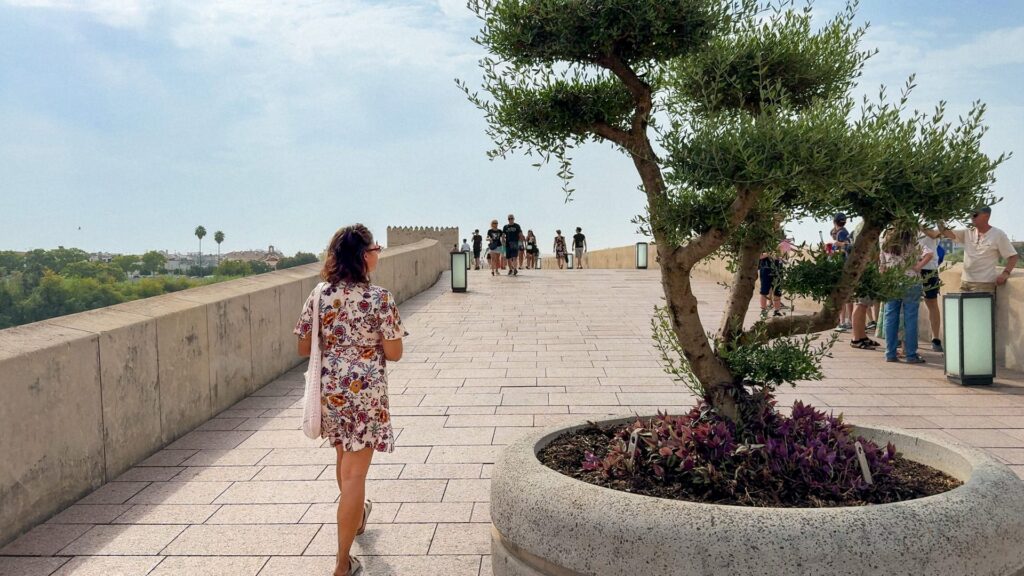
The Roman Bridge is one of Córdoba’s most recognisable landmarks and one of the best places to begin your walk. Stretching across the Guadalquivir, it gives you a wide, open view of the old city and immediately sets the tone for everything that follows.
Although it’s known as the Roman Bridge, the structure you see today is not purely ancient Roman. It has Roman origins, but it has been rebuilt and altered across different periods, especially in the medieval era. That mix of eras is part of what makes it such a good introduction to Córdoba.
Why it’s worth seeing
- great views towards the historic centre
- one of the city’s classic photo spots
- especially good near sunset
- easy to combine with the Calahorra Tower and Mezquita area
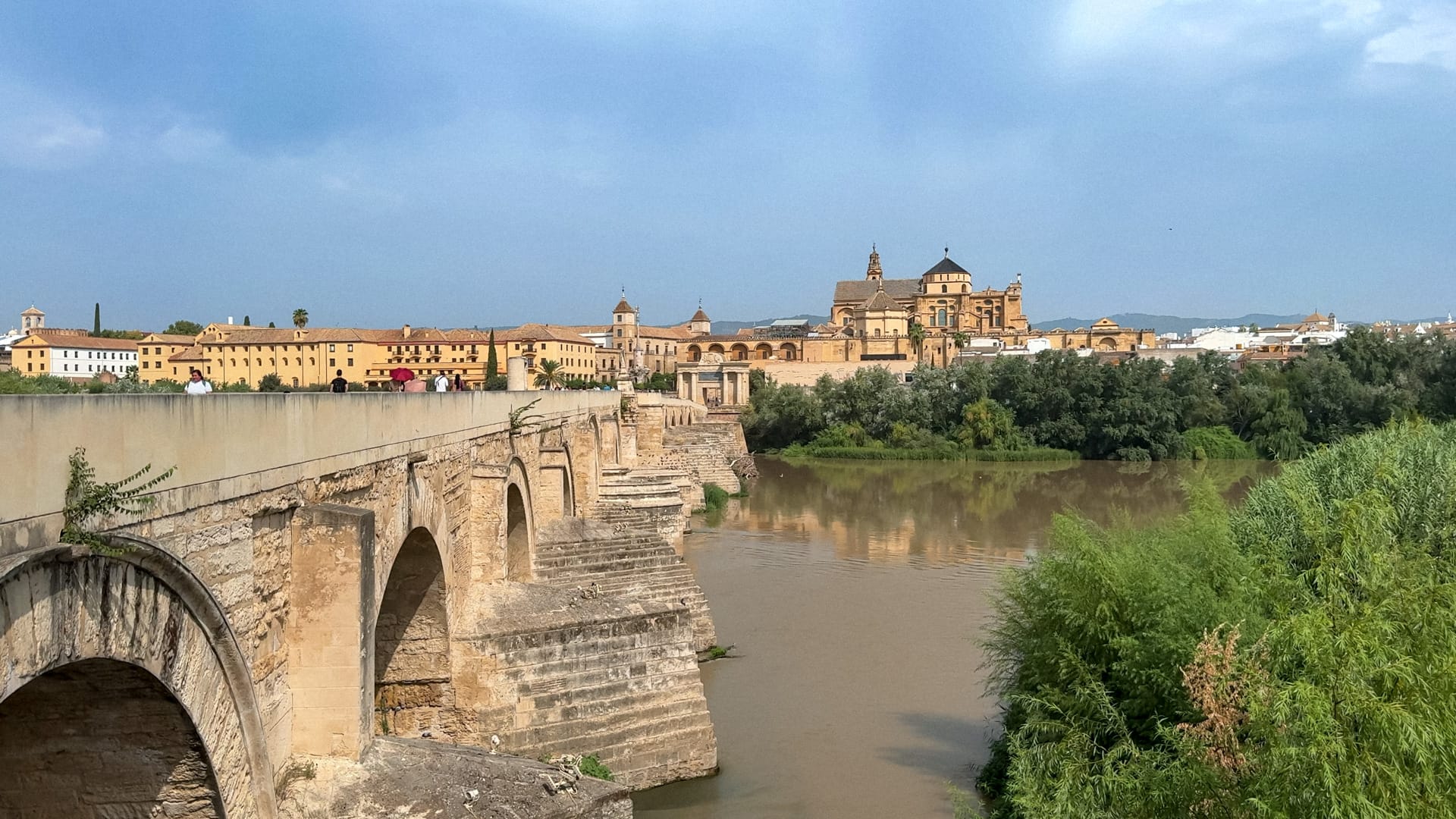
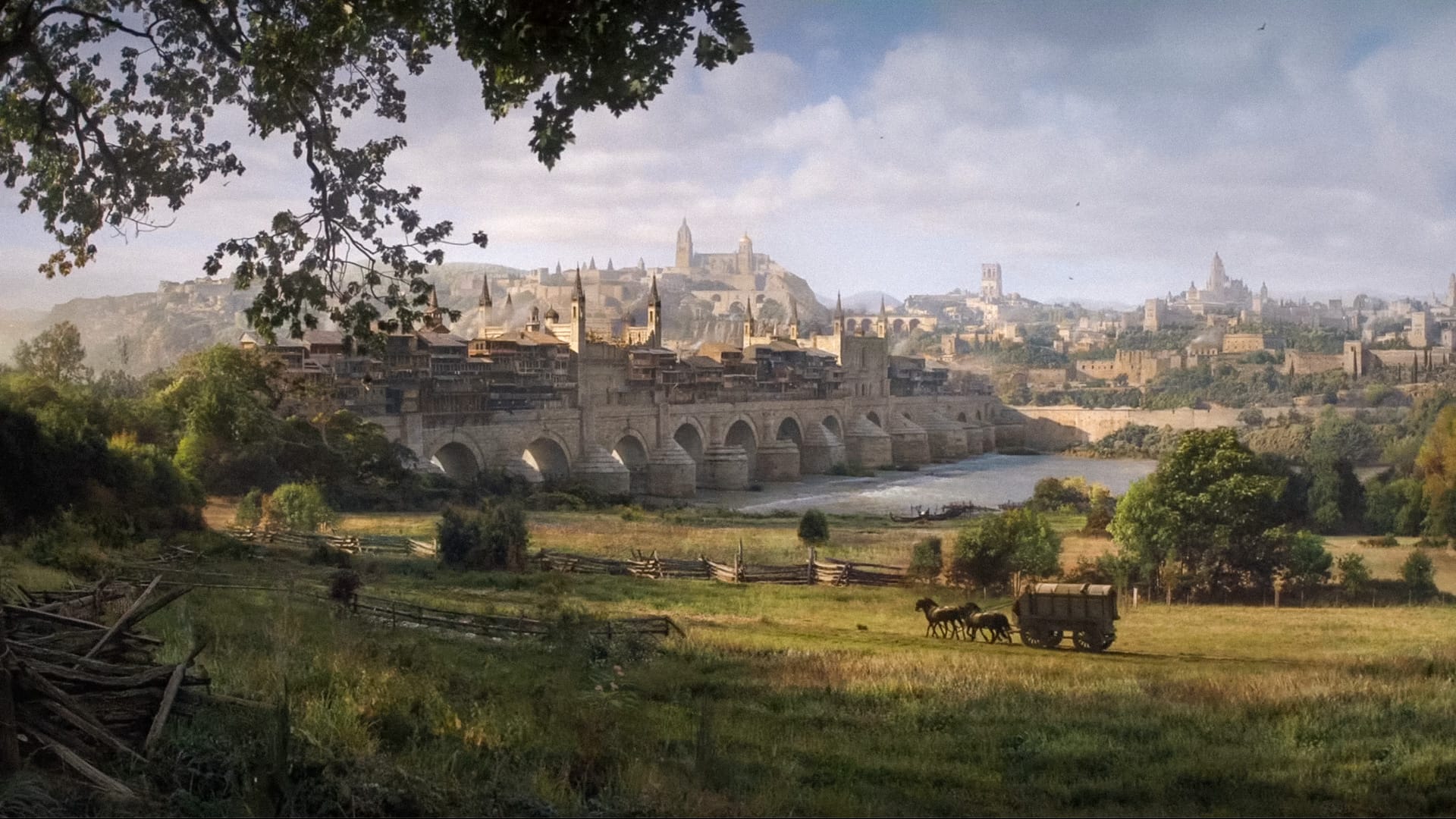
If you’re a Game of Thrones fan, you might also recognise it as the Long Bridge of Volantis.
Puerta del Puente and Calahorra Tower: a quick but worthwhile stops
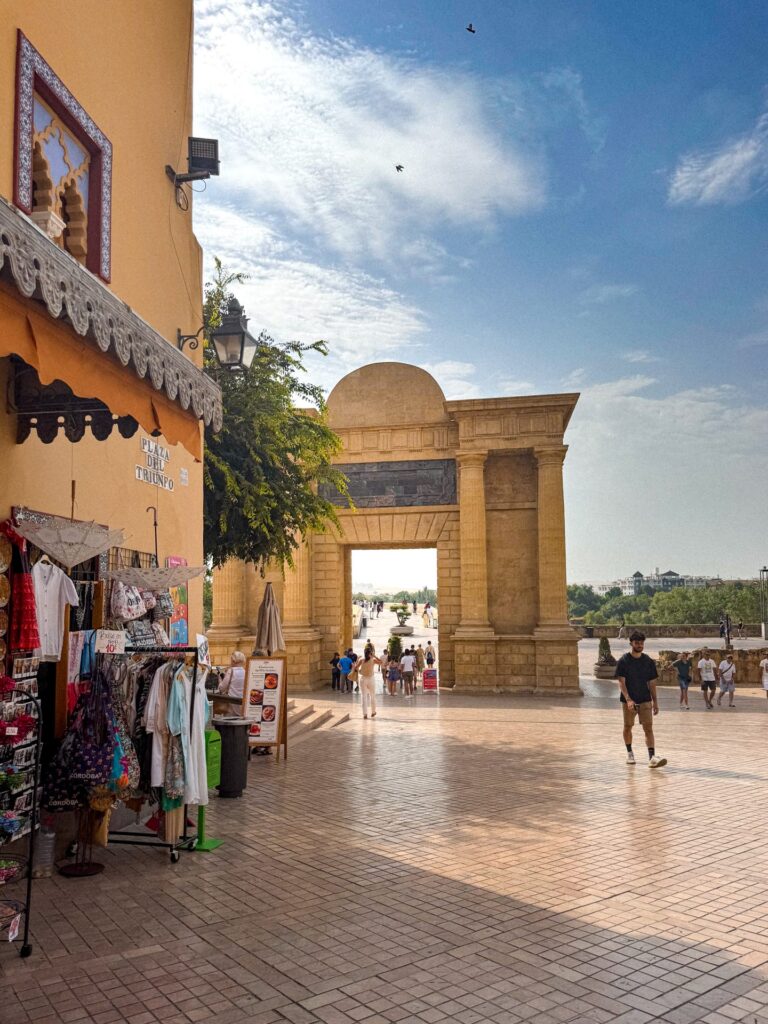
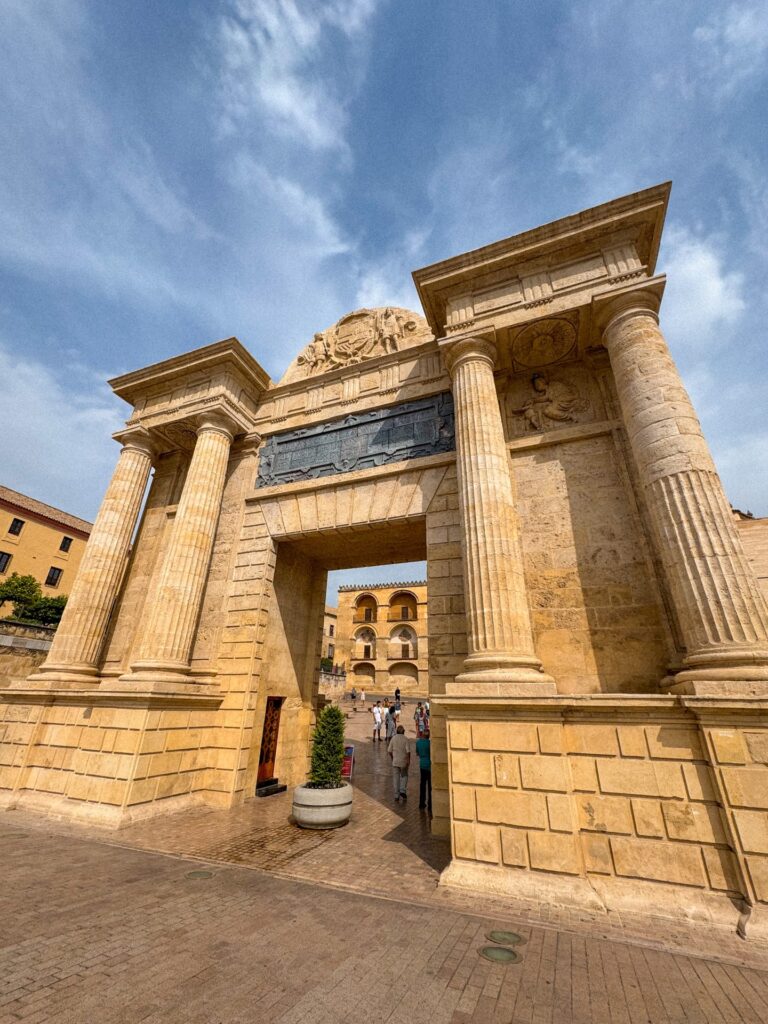
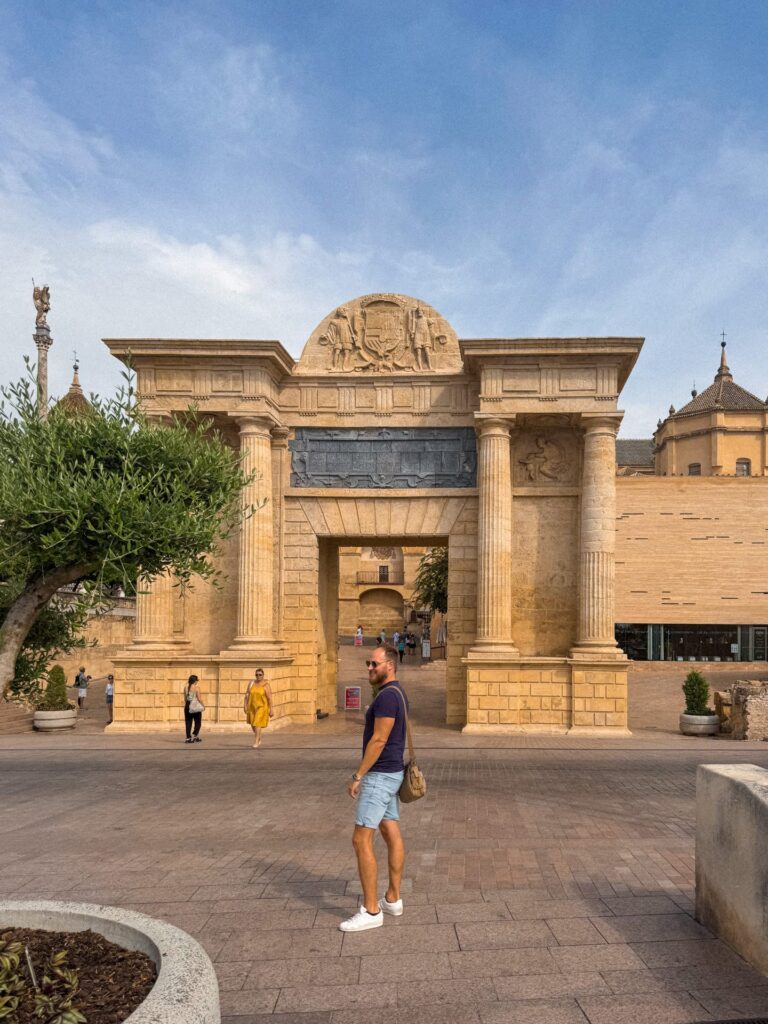
On one side of the bridge stands the Renaissance gates Puerta del Puente, built in the 16th century to mark King Philip II’s visit to the city. It replaced the earlier Roman gates and connects the city with the Roman Bridge. Easy to combine with the Roman Bridge and Mezquita area, and worth noticing as part of the city’s historic monument cluster.
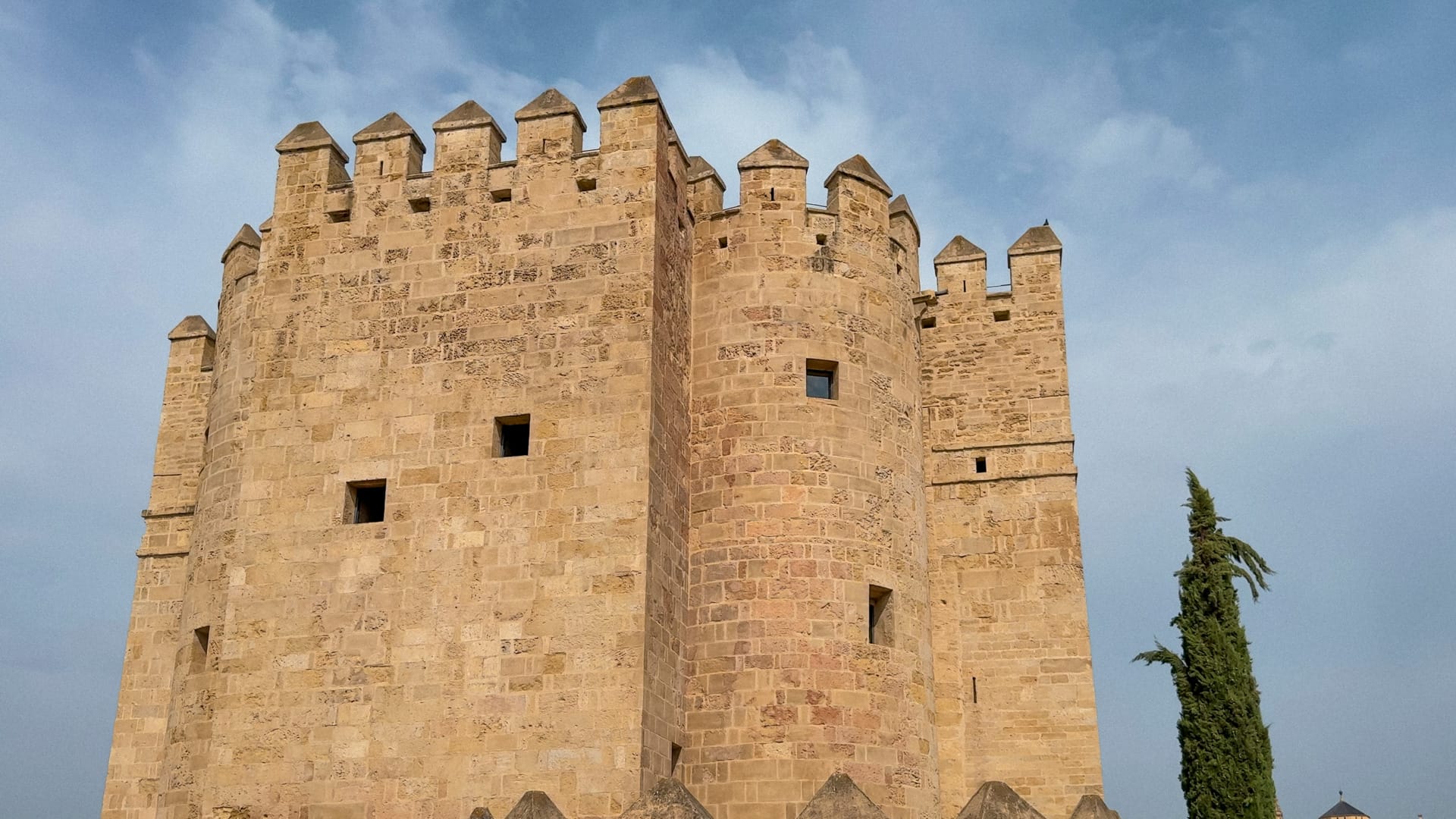
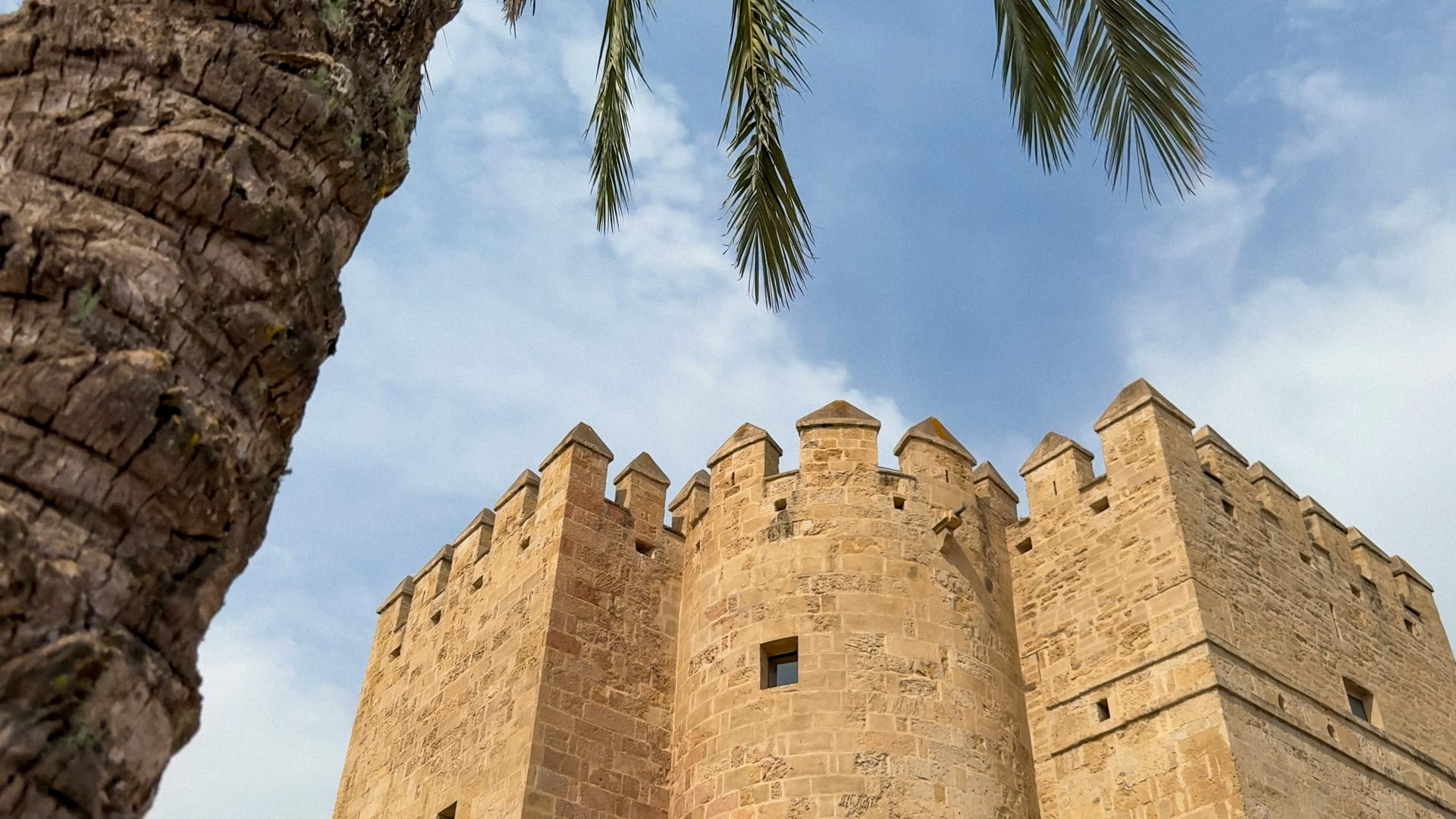
At the southern end of the bridge, the Calahorra Tower adds a strong historical backdrop to the walk. This fortified tower dates from the Islamic period and later became part of the city’s defences.
Today it houses the Living Museum of al-Andalus, which focuses on the exchange between Muslim, Jewish and Christian cultures. Even if you don’t go inside, it’s worth pausing here for the view and context.
Mezquita-Cathedral: Córdoba’s essential sight
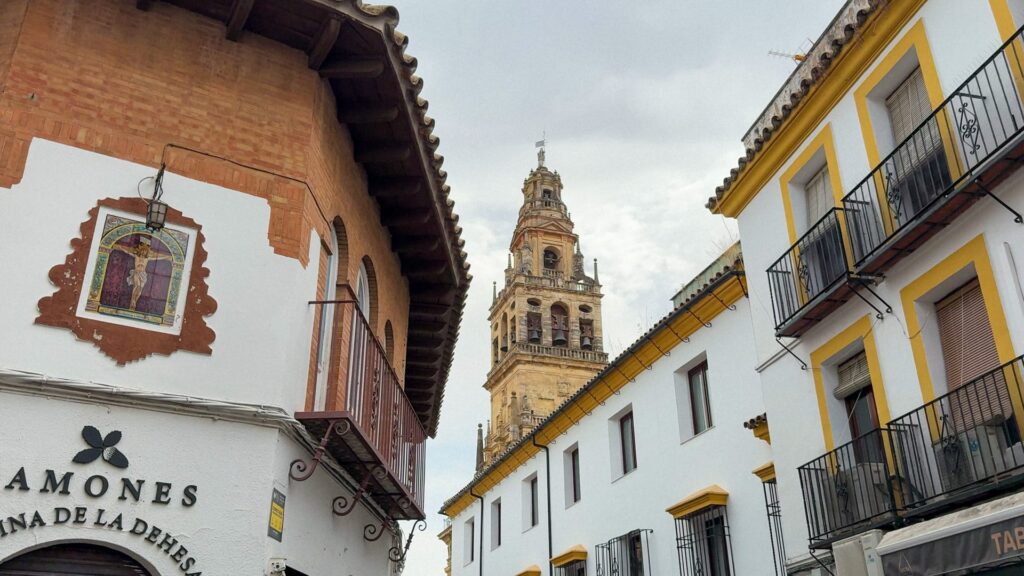
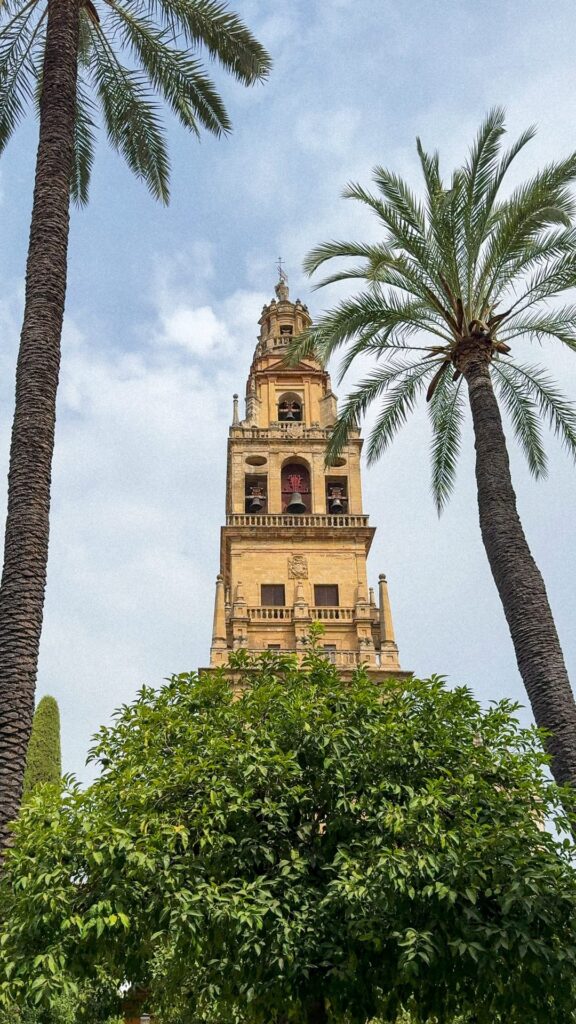
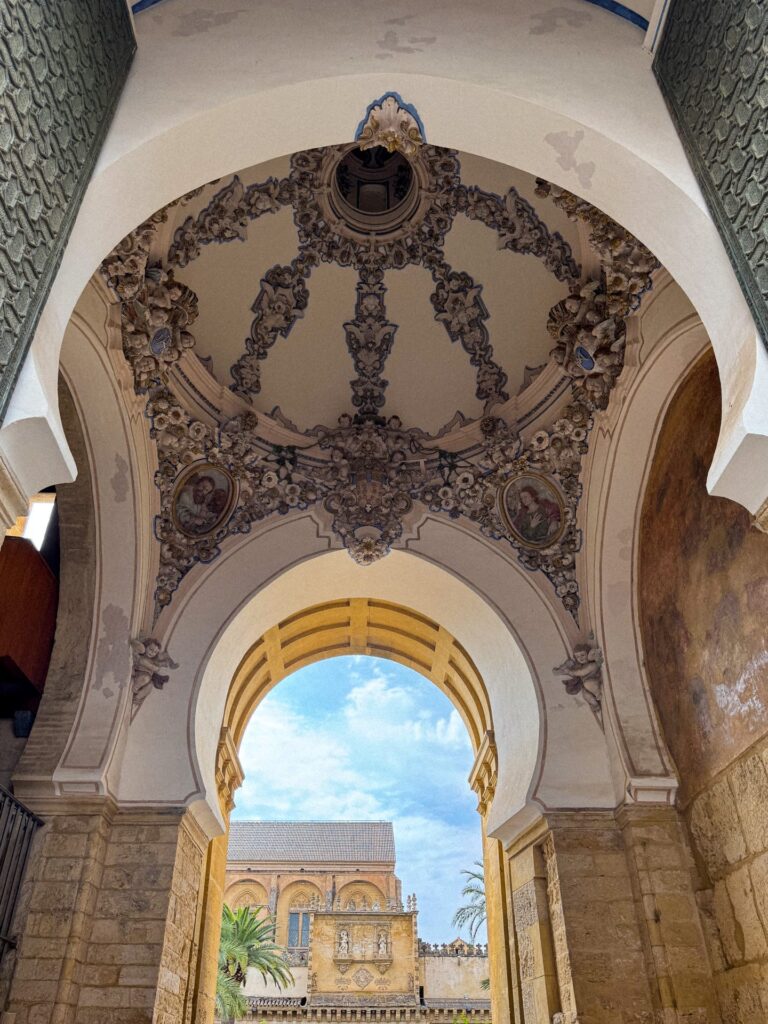
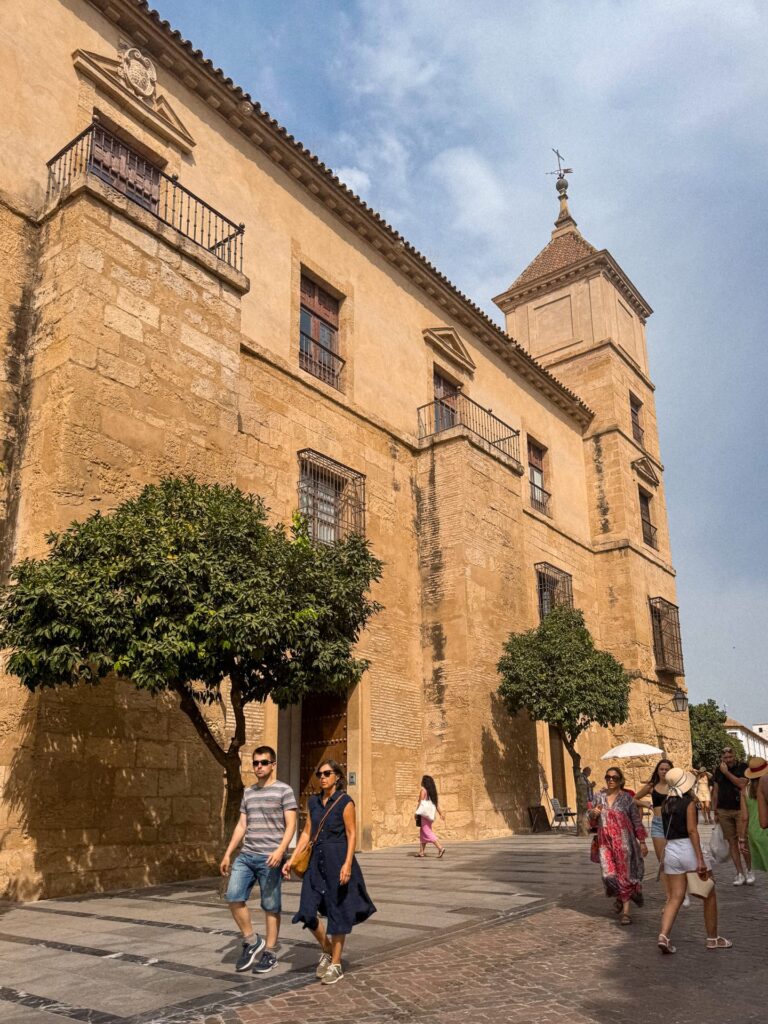
Even from the outside and courtyard only, the Mezquita-Cathedral feels like the heart of Córdoba.
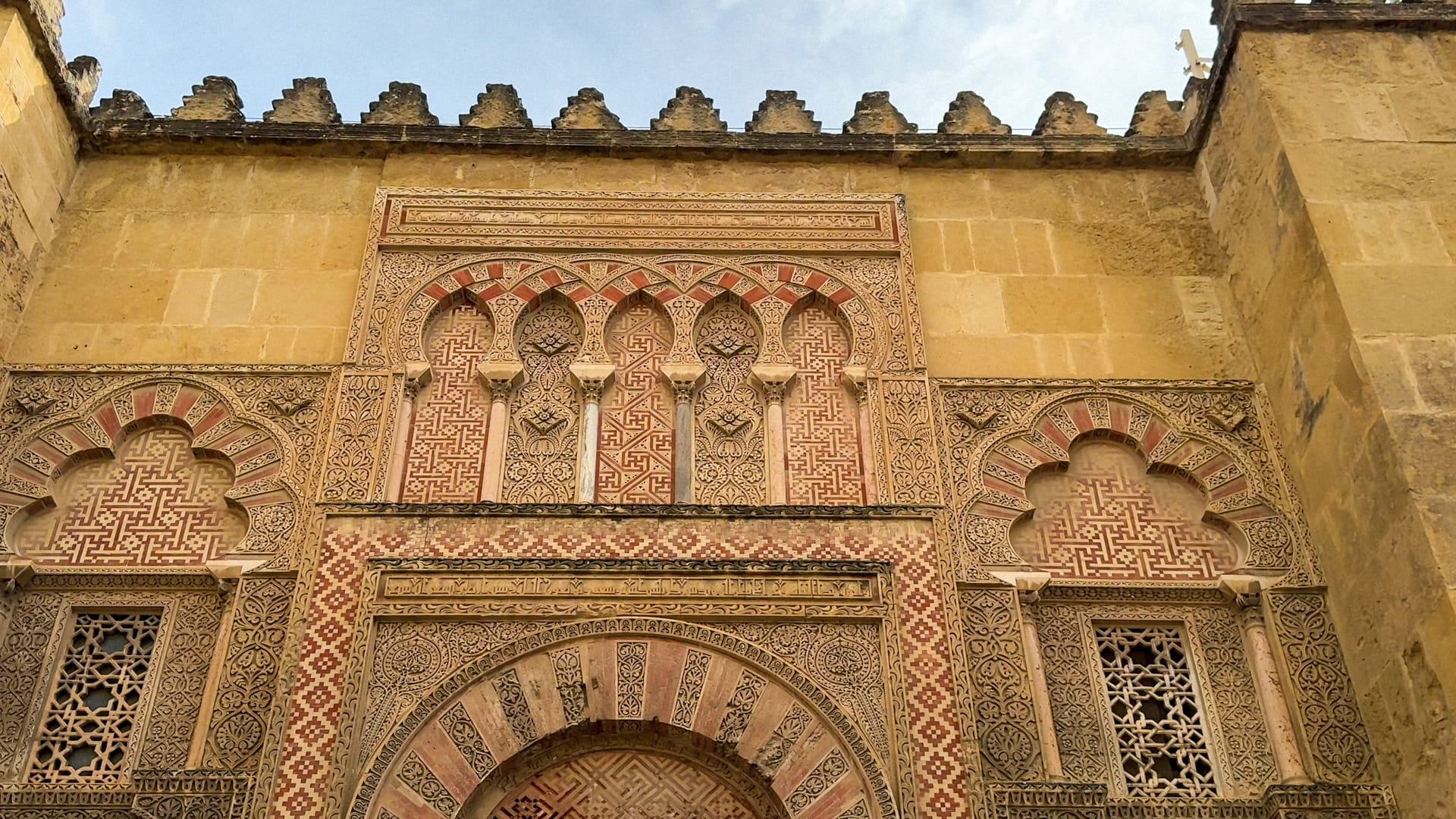
This was one of the highlights of our route, even though we didn’t go inside on this visit. The exterior walls, the bell tower and the courtyard already make it feel monumental, and the setting around it helps you understand just how central it is to the city’s identity.
The Mezquita began as a mosque and was later transformed into a cathedral, which is exactly why it’s so historically and architecturally important. It reflects the overlapping religious and political history that shaped Córdoba over centuries.
Is it worth going inside?
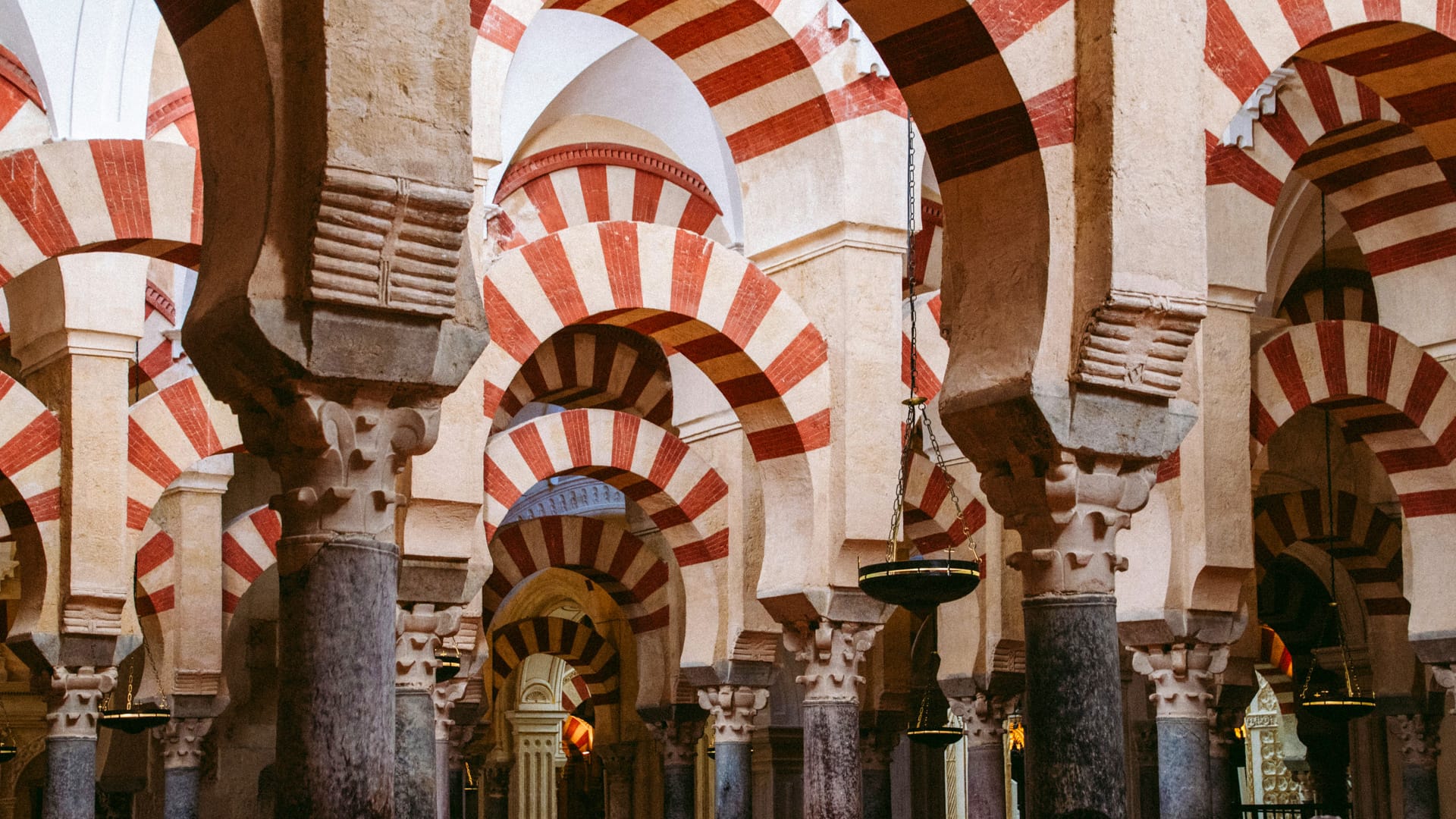
Yes. Even though we only saw the courtyard and exterior, this is the sight we’d prioritise for a return visit. Inside, it’s famous for its forest of red-and-white arches, richly decorated mihrab and the cathedral nave inserted into the middle of the former mosque.
Mezquita practical tips
- check official opening hours before visiting
- there is also a free visit slot Monday to Saturday from 8:30 to 9:30 (check if this is still valid), except on extraordinary celebration days
- if you want to visit inside during busy periods, booking ahead is sensible
La Judería: Córdoba’s historic Jewish Quarter
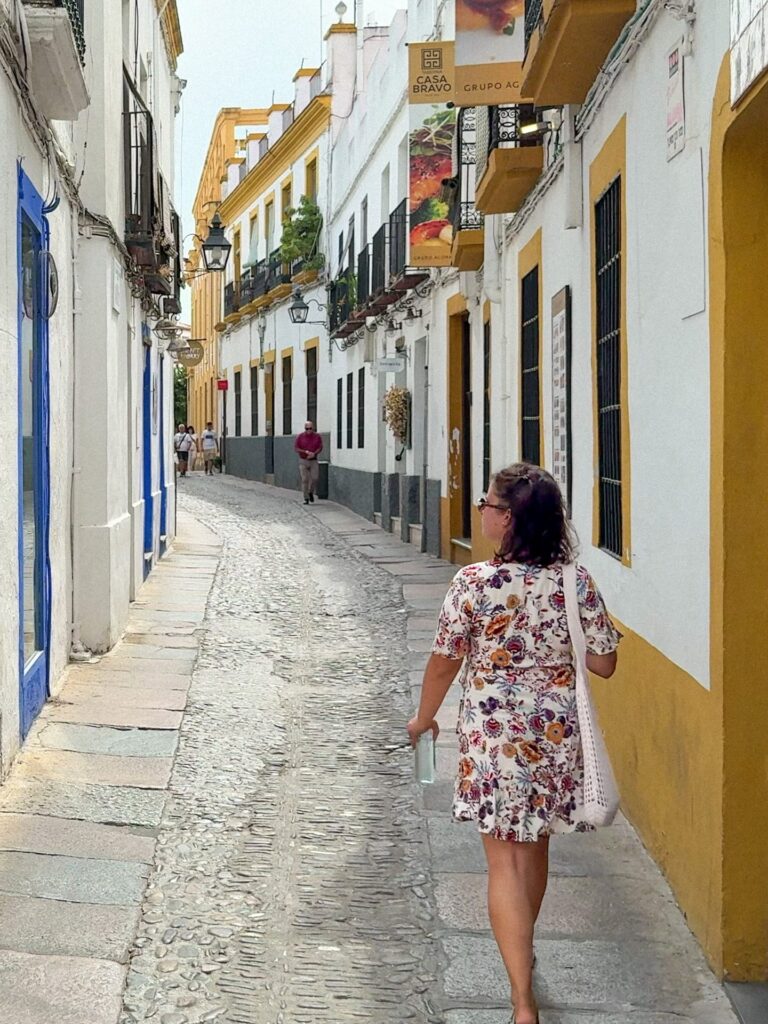
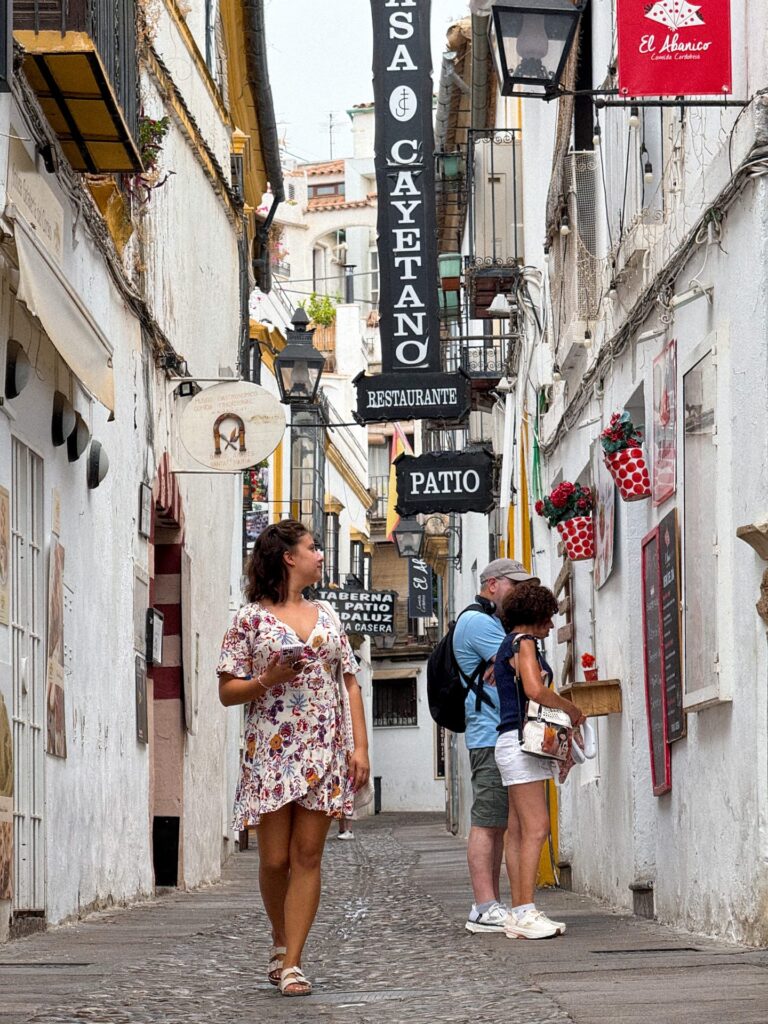
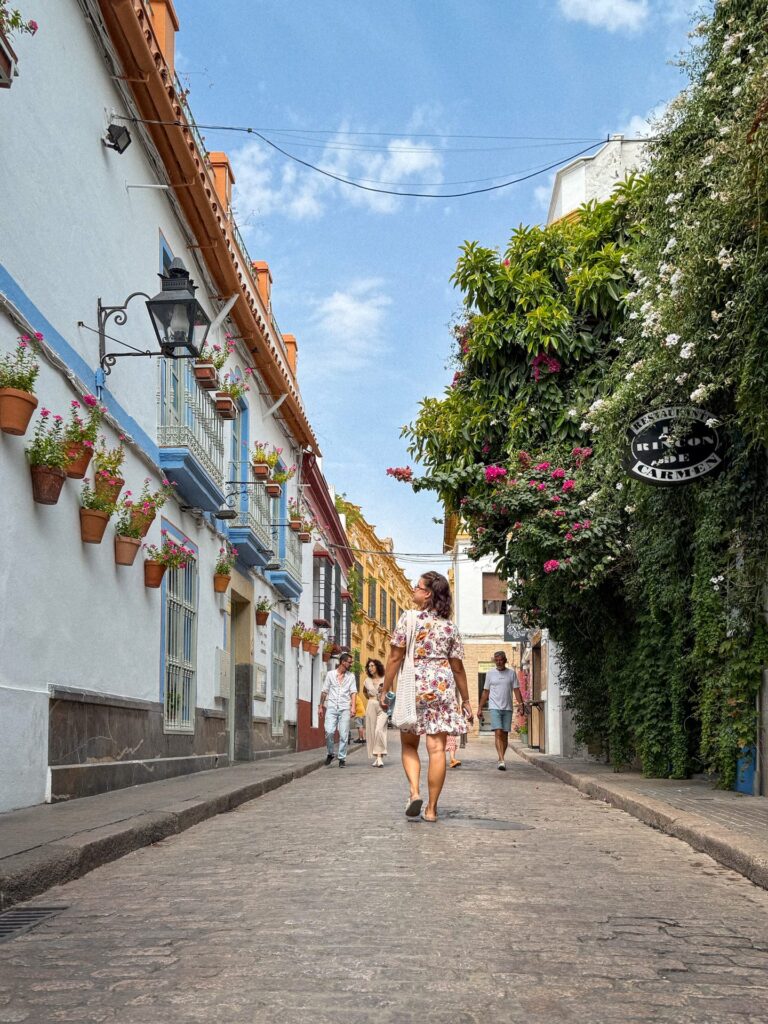
From the Mezquita, it makes sense to continue into La Judería. This is one of the most atmospheric parts of Córdoba and one of the easiest areas to enjoy without needing a strict itinerary.
The streets here are narrow, whitewashed and full of small details that reward slow walking. You’ll find flower pots, tucked-away corners, little squares and some of the city’s most photogenic lanes.
Historically, this is also one of the most significant parts of Córdoba’s UNESCO-listed historic centre. It preserves part of the old medieval urban layout and gives you a better sense of how layered the city’s past really is.
Calleja de las Flores: touristy but worth it
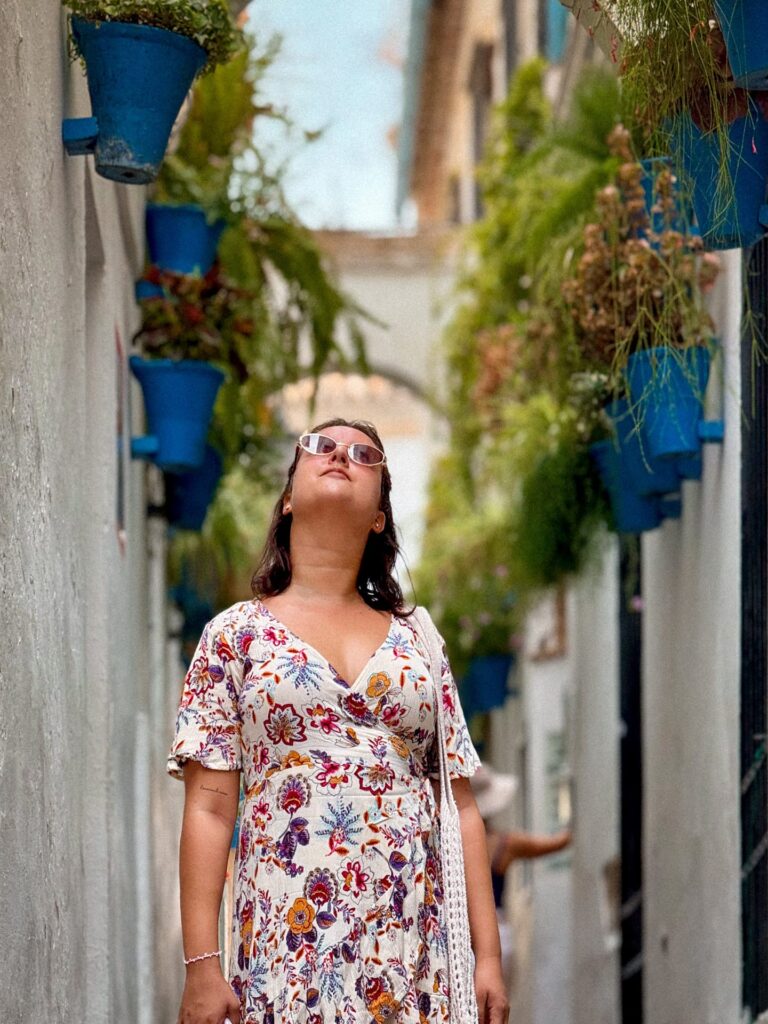
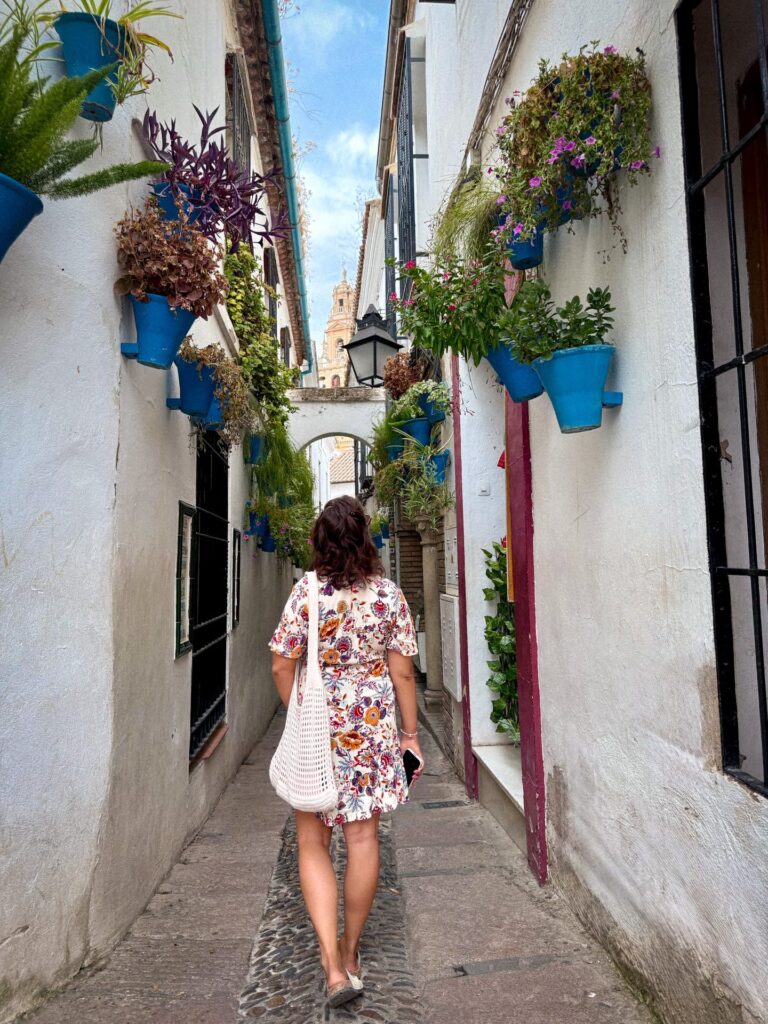
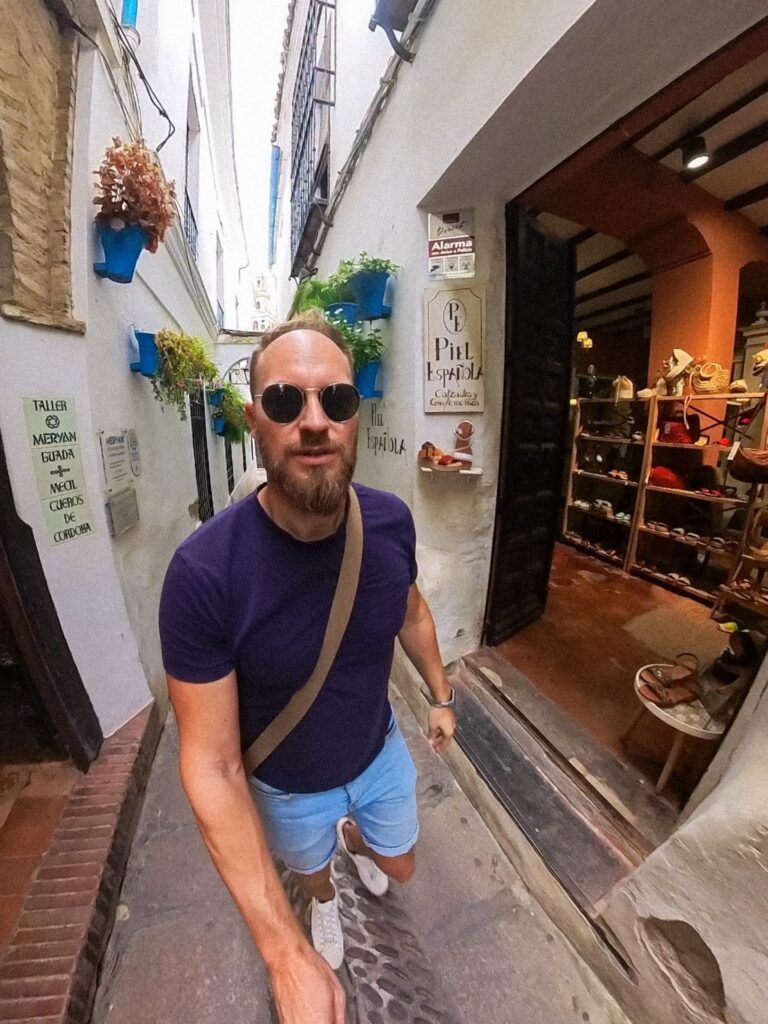
Calleja de las Flores is one of the best-known streets in Córdoba and one of the most photographed. It’s small, pretty and easy to reach while walking through the old town.
What makes it work is the framed view of the Mezquita-Cathedral’s bell tower at the end of the lane. It’s a quick stop, but a very classic one.
If you want fewer people in your photos, try to pass through earlier or later in the day.
Córdoba Synagogue: small but historically important
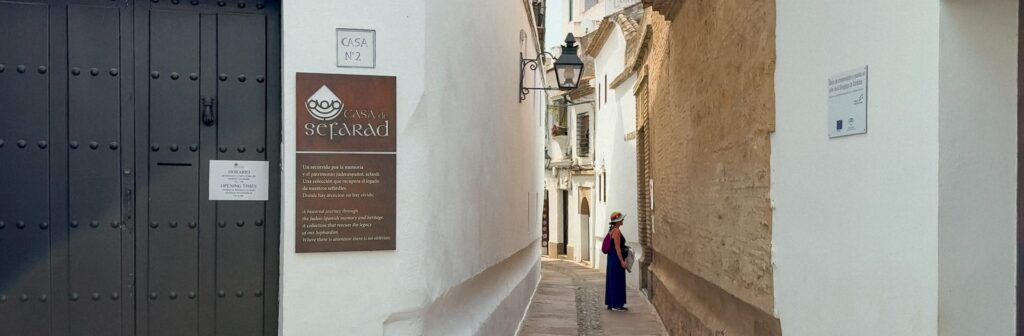
We only saw the Córdoba Synagogue from the outside because it was closed when we visited, but it’s still worth including in your route through the Judería.
This is one of the best-preserved medieval synagogues in Spain and the only surviving medieval synagogue in Andalusia. It dates from the early 14th century and is a significant reminder of the city’s Jewish past.
If it’s open while you’re there, it’s worth stepping inside. If not, it still adds important context to the surrounding area.
What to eat in Córdoba
One of the easiest wins in Córdoba is food. You don’t need a huge plan here. A simple lunch stop in the historic centre is enough to try a few local dishes and keep your day moving.
We had lunch at Bodegas Mezquita Céspedes, a convenient spot near the main sights, and used it as a chance to try two Córdoba classics:
- salmorejo
- flamenquín
Salmorejo is the dish we’d most strongly recommend if it’s your first time in Córdoba. It’s thicker and creamier than gazpacho, and much more filling than it looks.
Other dishes worth looking out for include:
- rabo de toro
- berenjenas fritas con miel
- local tapas based around fried dishes, cured meats and cheese
Patios Cordobeses: one of the city’s most distinctive features
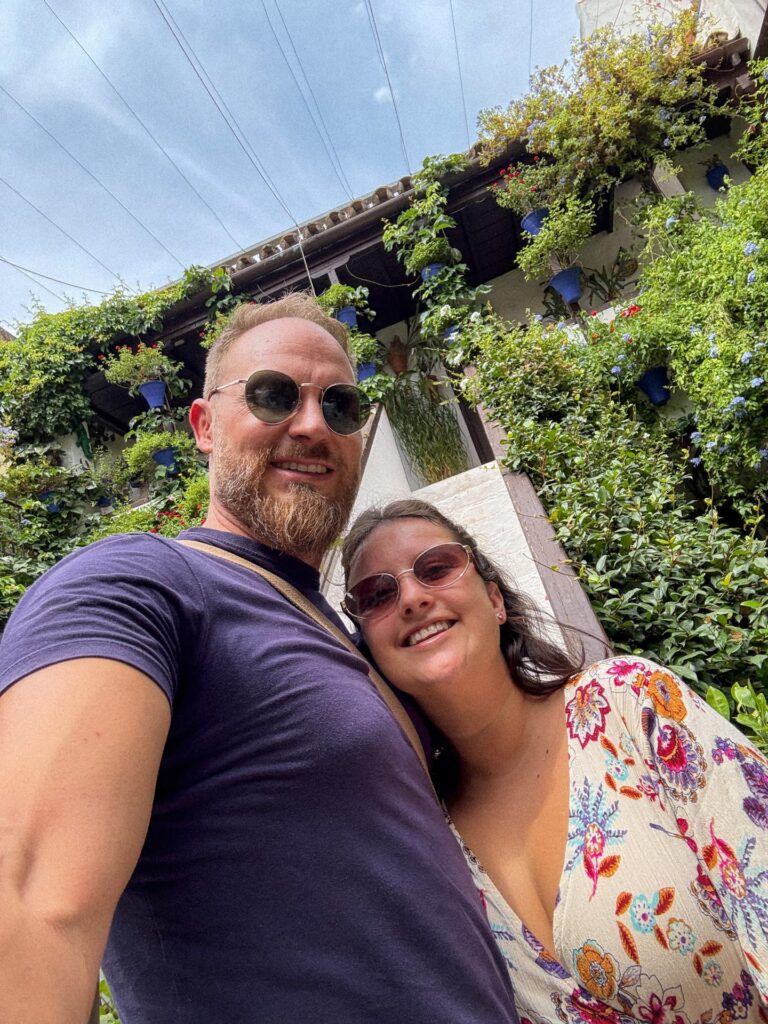
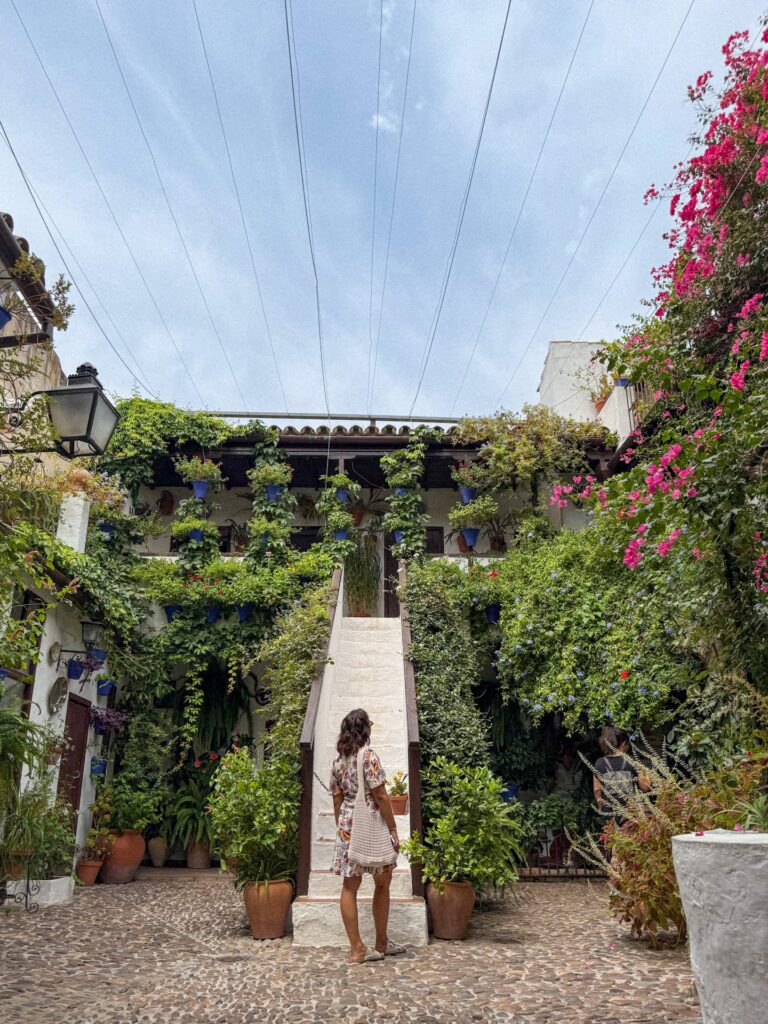
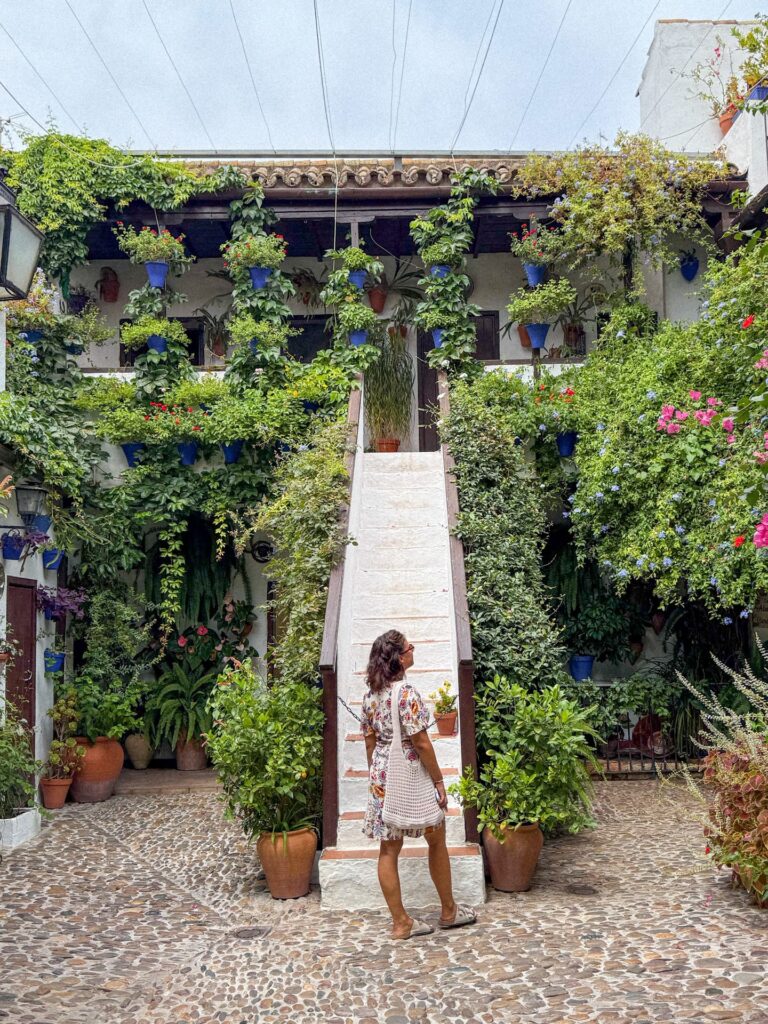
The patios are one of the main reasons Córdoba feels different from other Andalusian cities.
Even when you’re only seeing them from the street, they add a huge amount of charm to the walk. White walls, terracotta pots, bright flowers and shaded courtyards appear all over the old town.
We mostly saw patios from outside, but we also visited one from the inside, which made the experience more tangible. These spaces are not just decorative. They were historically designed to create cooler, more liveable homes in Córdoba’s intense summer heat.
Can you visit Córdoba’s patios year-round?
Yes, but there’s an important distinction.
The most famous patio experience is tied to the Festival of the Patios, when private courtyards across the city are opened to visitors and decorated at their most spectacular. In 2026, the official dates are 4–17 May.
Outside the festival, you can still see patios around the city and visit some year-round sites. One of the best-known options is Palacio de Viana, which is especially worth adding if patios are high on your Córdoba list.
Extra things to do in Córdoba if you have more time
If you have longer than half a day in Córdoba, these are the extra stops we’d consider adding first.
Palacio de Viana
A strong choice if you want a more complete patio experience outside the main festival period.
Inside the Mezquita-Cathedral
This would be the number one upgrade to our own route on a return visit.
Alcázar de los Reyes Cristianos
A good option if you want gardens, history and another major monument close to the centre.
Calleja del Pañuelo
A smaller, quieter alley if you like hunting down atmospheric details beyond the most famous photo stops.
Is Córdoba worth a day trip?
Yes. Córdoba works very well as a day trip because the historic centre is compact and the main sights are close together.
That said, it’s even better if you don’t rush it. The city rewards wandering. Some of the best parts are not major monuments at all, but the quiet lanes, glimpses into courtyards and little pauses between headline sights.
If you can stay one night, that gives you a more relaxed feel for the city. But if you only have one day, Córdoba is still absolutely worth it.
Our honest take on Córdoba
Córdoba feels less flashy than Seville or Granada, but it’s one of the easiest places in Andalusia to genuinely enjoy without trying too hard.
Even without going inside every monument, we found it rich, atmospheric and seriously photogenic. The mix of the Roman Bridge, the Mezquita area, the Judería, the patios and the local food makes it an easy recommendation for anyone building an Andalusia itinerary.
If you’re into places where history and atmosphere are just as important as ticking off landmarks, Córdoba deserves a spot on your route.
If you’ve been to Córdoba, what would you add first — the inside of the Mezquita, more patios, or another corner of the Judería?
FAQ: Visiting Córdoba
Is one day enough for Córdoba?
Yes, one day is enough to see Córdoba’s main sights if you stay within the historic centre, but staying overnight gives you a more relaxed pace and more time for patios, food and extra monuments.
What is Córdoba most famous for?
Córdoba is most famous for the Mezquita-Cathedral, the Roman Bridge, the Judería and its flower-filled patios.
Is Córdoba walkable?
Yes. Córdoba’s historic centre is compact, and the main sights in this route are easy to explore on foot.
Visited in summer 2025. Practical details can change, it’s always worth checking opening times and current status before your trip.